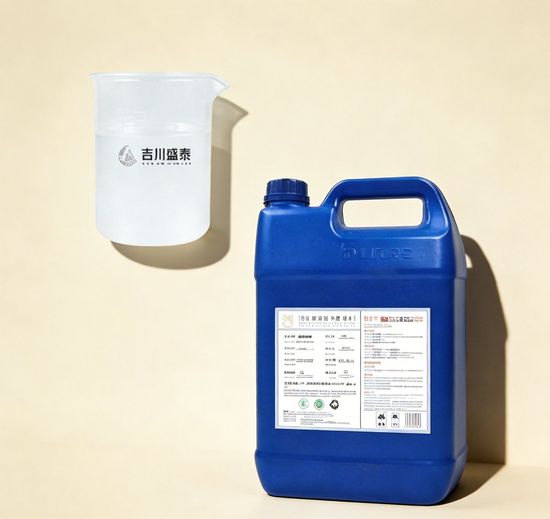
Polishing Wax Liquid Metal Stainless Steel Polish

Fine Finishing Aluminum Oxide Stainless Steel Polishing Liquid

Mirror Surface Metal Polish Use Stainless Steel Polish

I have found results from400+products and200+suppliers aboutMetal polishing liquid


Buyers should prioritize the chemical composition and abrasive particle size. For high-precision tasks, look for nanoscale abrasives that ensure a mirror finish without scratching. The pH value is critical; neutral formulas are generally safer for multi-metal applications, while acidic or alkaline variants are specific to heavy oxidation removal on steel or aluminum. Additionally, verify the viscosity, as higher viscosity liquids are better for vertical surfaces to prevent runoff.
It is essential to request a Material Compatibility Chart from the supplier. Stainless steel requires formulas that prevent tea-staining, while aluminum needs non-corrosive inhibitors to avoid pitting. Ensure the liquid contains anti-tarnish agents or protective polymers that create a residual barrier to prevent immediate re-oxidation after the polishing process.
As a chemical product, the supplier must provide a valid MSDS (Material Safety Data Sheet) or SDS (Safety Data Sheet) compliant with GHS standards. For the EU market, REACH compliance is mandatory, while for the US, TSCA status should be verified. Ensure the product meets VOC (Volatile Organic Compounds) limits to comply with environmental regulations in the destination country.
These liquids are widely used in automotive detailing, aerospace component maintenance, and architectural hardware finishing. Application methods vary from manual buffing with microfiber cloths to automated ultrasonic polishing or vibratory finishing machines. Buyers should confirm if the liquid is optimized for machine-assisted high-speed friction to ensure it doesn't degrade under heat.
Liquids are classified as sensitive goods. You must ensure the supplier provides UN-rated packaging to prevent leakage and withstand pressure changes during air or sea freight. Always verify the IMO Class (for sea) or IATA DGR (for air) status. Using a freight forwarder experienced in Class 9 or non-hazardous chemical handling is highly recommended to avoid customs seizures.
Look for Audited Suppliers who have undergone on-site inspections by third-party agencies like SGS or Intertek. Check their Business License and Export Qualifications specifically for chemical products. Reviewing their Transaction History and Buyer Feedback on the platform can provide insights into their consistency in product concentration and packaging quality.
Request a tiered pricing structure based on volume; typically, orders exceeding 500kg can see a 10-20% cost reduction. To ensure quality, always order a pre-shipment sample and insist on a Batch Analysis Report (COA - Certificate of Analysis) for every shipment. Use Trade Assurance services to protect your payment until the goods are verified against the agreed specifications.
Be aware of Anti-Dumping Duties that some countries apply to specific chemical categories from certain regions. Check the HS Code (typically 3405.90) against your local tariff schedule. Ensure all labeling is in the destination language, including hazard warnings and usage instructions, to prevent delays during Customs Clearance.