Custom Elastic Silicone Straps Mold Rubber Sports Bracelet Mold for Belts Accessories
Custom Popular Silicone Bracelet Band Wristband Mold Rubber Mold
Sweatproof Durable Fitness Silicone Weight Bracelet Over Mold Rubber Mold

I have found results from20000+products and7000+suppliers aboutMold for bracelet


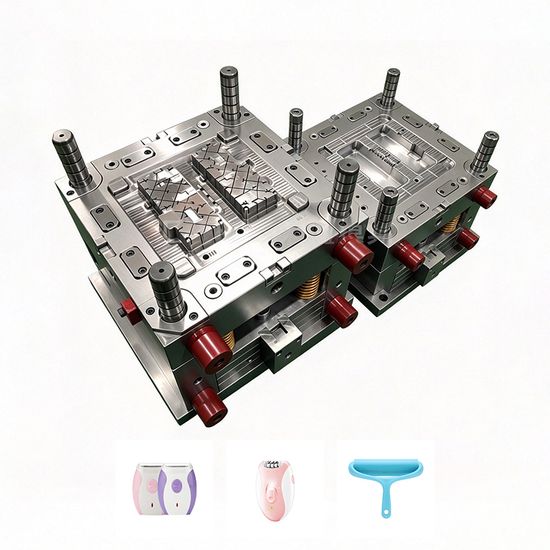
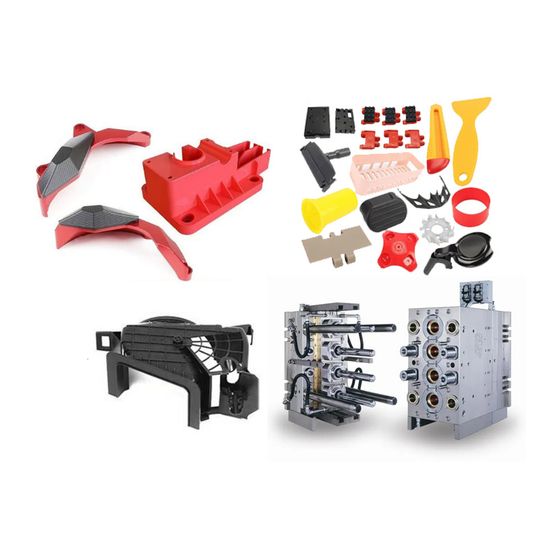
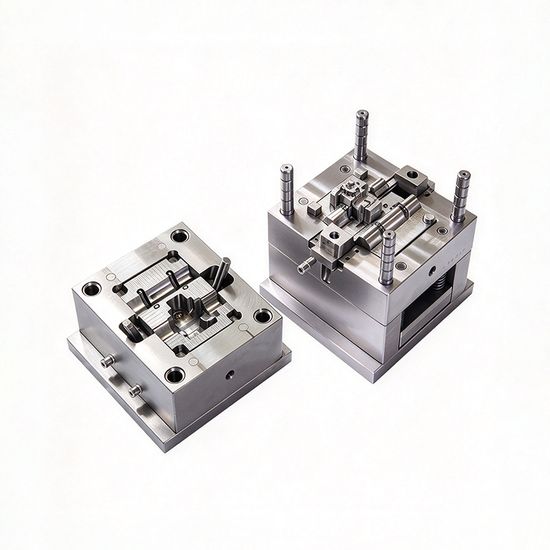
The most common materials are Liquid Silicone Rubber (LSR) and Steel (P20, S136). Silicone molds are ideal for DIY, resin casting, and low-volume artisanal production due to their high flexibility and easy de-molding properties. For industrial-scale production of plastic or metal bracelets, hardened steel molds are required to withstand high-pressure injection molding, ensuring dimensional stability and a lifespan of over 500,000 cycles.
Key technical factors include cavity surface finish (mirror polishing or texture), shrinkage rate compensation, and wall thickness consistency. For resin molds, ensure the silicone is platinum-cured to prevent yellowing and ensure tear resistance. For industrial molds, verify the cooling system design to prevent warping and the ejection mechanism to ensure the bracelet is removed without surface defects.
If the bracelets are intended for skin contact or children's use, the molds must be made from food-grade or medical-grade materials. Ensure the supplier provides FDA, LFGB, or REACH certifications for silicone materials. For industrial molds, compliance with ISO 9001:2015 for manufacturing processes and CE marking for any integrated machinery is essential to meet global trade regulations.
Yes, professional suppliers on Made-in-China.com offer OEM/ODM services. You should provide 3D CAD files (STEP or IGES format). Advanced techniques like CNC machining and EDM (Electrical Discharge Machining) allow for intricate patterns, embossed logos, and complex internal diameters. Always request a 3D-printed prototype before the final mold steel is cut to verify the design.
The biggest risks include Intellectual Property (IP) leakage and technical misalignment. To mitigate this, sign a Non-Disclosure Agreement (NDA) before sharing designs. Additionally, ensure the supplier performs a Mold Flow Analysis to predict potential manufacturing defects before production begins.
Use a milestone-based payment structure: typically 30% deposit, 40% after T1 sample approval, and 30% before shipment. Never pay the final balance until you have received and verified T1 samples (first trial run). For high-value steel molds, consider using Secured Trading services on Made-in-China.com to protect your funds.
Molds are heavy and prone to rust. Insist that the supplier applies anti-rust oil, wraps the mold in vacuum-sealed plastic, and uses fumigated wooden crates. For shipping to the US or Europe, Sea Freight (LCL or FCL) is most cost-effective, but ensure the H.S. Code (typically 848071 for plastic molds) is correctly declared to avoid customs delays.
Look for 'Audited Suppliers' on Made-in-China.com who have undergone third-party inspections by SGS or Bureau Veritas. Request a video factory tour to inspect their CNC equipment and QC lab. A reliable manufacturer should be able to provide steel certificates and heat treatment reports upon request.