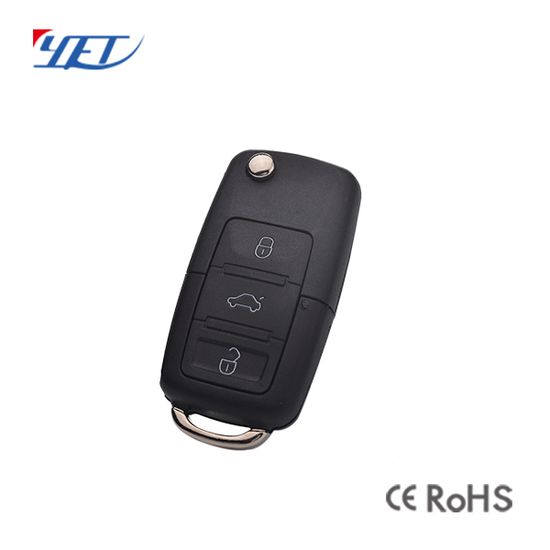
Motorcycle Smart Remote Control for Honda K01 Sh150 Pcx 2016-2017

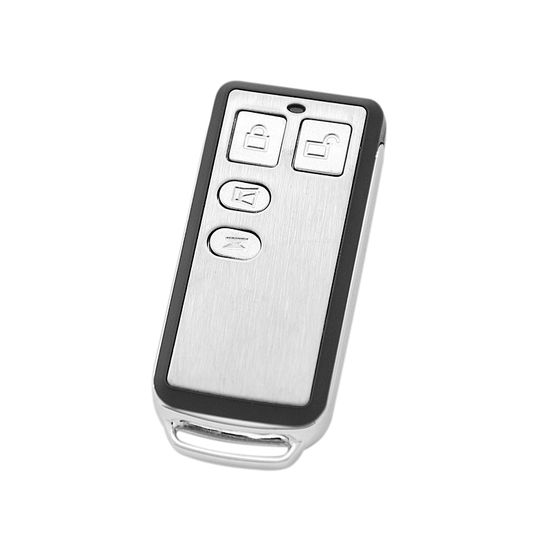
4 Buttons Wireless RF Keyless 315/370/433MHz Unlock Key Code Remote Control for Home

Rechargeable 24V-500V Single Speed Crane Industrial Wireless Remote Control

I have found results from4000+products and1000+suppliers aboutMotorcycle keyless remote control


Selecting a reliable keyless system requires focusing on signal stability and encryption technology. Ensure the product uses Rolling Code technology (AES-128 or higher) to prevent signal interception and relay attacks. The hardware should feature an IP67 waterproof rating to withstand harsh weather conditions, and the remote should have a low power consumption chip to ensure a battery life of at least 1-2 years.
Buyers should prioritize systems with a working frequency of 315MHz or 433.92MHz, depending on regional radio frequency regulations. Look for a sensing distance of 1.5 to 3 meters for passive entry (PKE) functions. Additionally, verify that the ECU (Electronic Control Unit) is vibration-resistant and can operate within a temperature range of -40°C to +85°C to ensure performance in extreme climates.
For the US market, FCC certification is mandatory for radio frequency devices. For the European market, products must carry the CE mark and comply with the RED (Radio Equipment Directive). If you are sourcing for the automotive/motorcycle OE market, look for suppliers with IATF 16949 certification, which guarantees a higher level of quality management specifically for the automotive supply chain.
Confirm whether the system is a universal fit or model-specific. For universal systems, ensure the supplier provides a comprehensive wiring diagram and installation kit. For high-end motorcycles with CAN-bus systems, you must verify that the keyless module is CAN-bus compatible to avoid triggering dashboard error codes or interfering with the bike's original electronics.
The primary risk is customs seizure due to battery regulations. Most remotes contain lithium button cells (CR2032), which are classified as dangerous goods (UN38.3). Ensure your supplier provides the necessary MSDS (Material Safety Data Sheet) and uses compliant shipping channels. Another risk is frequency interference; importing a frequency that is restricted in your country can lead to legal issues and product recalls.
Focus on customization (OEM/ODM) capabilities and warranty terms. Request a sample for field testing before placing a bulk order. Negotiate for a 1-2% spare parts allowance (extra remotes or sensors) to cover potential defective units, and insist on a minimum 12-month replacement warranty. For large orders, use SGS or Intertek third-party inspections to verify quality before final payment.
For small trial orders, International Express (DHL/FedEx) is fastest but requires strict battery documentation. For bulk commercial orders, Sea Freight (LCL/FCL) is the most cost-effective. Ensure the packaging includes anti-static shielding and moisture-proof desiccant, as sea transit involves high humidity which can damage sensitive PCB components.
Always conduct transactions through secured payment channels provided by reputable platforms like Made-in-China.com. Utilize Trade Audit services to verify the supplier's factory existence and production capacity. Avoid direct wire transfers to private accounts; ensure the beneficiary name matches the company name on the business license to prevent fraud.