Natural cellulose fiber factory manufacturers
I have found results from400+products and200+suppliers aboutNatural cellulose fiber factory
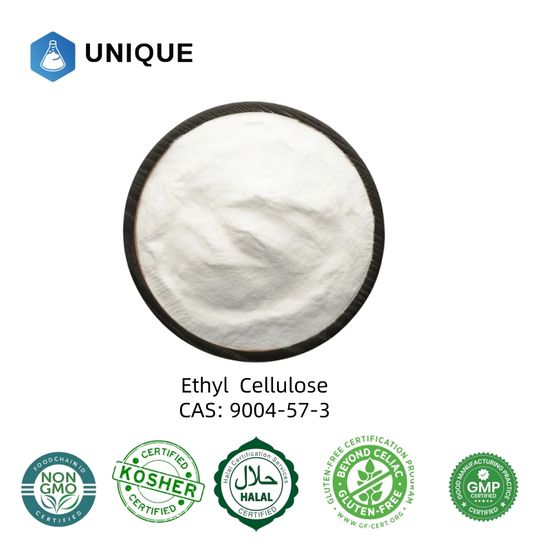
Factory Supply 100% Natural Pure Ethocel Ethyl Cellulose 9004-57-3 N10 N20 N100 N200 K100 K110
US$16.00-20.00
1,000 kg(MOQ)
Sample AvailableFactory Direct Supply 100% Natural Pure Ethocel Ec Ethyl Cellulose 9004-57-3 for Printing Inks
US$16.00-20.00
1,000 kg(MOQ)
Sample AvailableEmusifier and Thickener 100% Natural Low Ash HEC Hydroxyethyl Cellulose for Cosmetic Grade
US$4.50-5.50
1,000 kg(MOQ)
Sample Available100% Natural Premium Quality High Workability Good Stability Ethyl Cellulose
US$16.00-20.00
1,000 kg(MOQ)
Sample Available100% Natural High Quality Factory Direct Supply Hpc Hydroxypropyl Cellulose Powder
US$20.00-21.00
1,000 kg(MOQ)
Sample AvailableHot Selling Premium Quality 100% Natural Hpc Hydroxypropyl Cellulose
US$20.00-21.00
1,000 kg(MOQ)
Sample AvailableLow Ash Content Water Soluble 100% Natural Microcrystalline Cellulose for Pharmaceutical Grade
US$2.60-2.80
1,000 kg(MOQ)
Sample AvailableGMP, USP Certified 100% Natural and Healthy High-Substituted Hydroxypropyl Cellulose Hpc for Pharma Grade
US$20.00-21.00
1,000 kg(MOQ)
Sample Available100% Natural Pure Original Ingredients Best Selling Mcc Microcrystalline Cellulose
US$2.60-2.80
1,000 kg(MOQ)
Sample AvailableFactory Direct Supply 100% Natural High Purity High Quality 9004-57-3 Ethyl Cellulose Powder
US$16.00-20.00
1,000 kg(MOQ)
Sample Available100% Natural 100% Pure High Quality Non-Ionic Microcrystalline Cellulose Mcc Powder
US$2.60-2.80
1,000 kg(MOQ)
Sample Available Sourcing guidance for Natural Cellulose Fiber Factory
What are the key technical specifications to consider when sourcing natural cellulose fiber?
When evaluating cellulose fiber, you must prioritize purity levels (alpha-cellulose content), which should ideally be above 90% for high-end applications. Key physical metrics include fiber length distribution, aspect ratio, and moisture content (typically <7%). For industrial use, ensure the viscosity and brightness meet your specific production standards, as these directly impact the quality of the final derivative, such as ethers or esters.
Which international compliance standards are mandatory for cellulose fiber exports?
Suppliers must adhere to ISO 9001 for quality management and ISO 14001 for environmental standards. If the fiber is intended for food or pharmaceutical grades (e.g., MCC), compliance with FDA (21 CFR), REACH (EU), and GMP (Good Manufacturing Practice) is non-negotiable. Additionally, look for FSC (Forest Stewardship Council) or PEFC certifications to ensure the raw wood pulp is sourced from sustainably managed forests.
How can a buyer verify the functional performance of the fiber before bulk purchasing?
Request a Technical Data Sheet (TDS) and a Certificate of Analysis (COA) for every batch. It is critical to conduct pilot-scale testing to verify water retention capacity, thickening efficiency, and dispersibility. For construction-grade cellulose, perform a sag resistance test and check for chemical stability when mixed with cement or gypsum-based materials.
What factors influence the economic feasibility of sourcing from a cellulose fiber factory?
The Total Cost of Ownership (TCO) is influenced by the raw material source (wood vs. cotton vs. bamboo) and the chemical processing method. Buyers should seek factories that offer tiered pricing based on volume, where discounts of 10-20% are common for orders exceeding 20 metric tons. Consider the yield rate; higher purity fiber may have a higher unit price but reduces waste and processing costs in downstream production.
Cross-Border Procurement Strategy & Risk Management
What are the primary risks when importing cellulose fiber and how can they be mitigated?
The main risks include moisture damage during sea transit and batch-to-batch inconsistency. To mitigate these, insist on vacuum-sealed or moisture-proof multi-layer paper bags with palletization. Utilize third-party inspection services (like SGS or Intertek) to perform random sampling at the factory before the container is sealed to ensure the goods match the approved pre-production sample.
How should buyers negotiate with Chinese cellulose fiber factories for the best terms?
Focus on long-term partnership stability rather than just the lowest price. Negotiate for flexible payment terms, such as 30% deposit and 70% against the Bill of Lading (B/L), once trust is established. For large-scale buyers, request price protection clauses to hedge against fluctuations in raw pulp market prices, and ask for customized mesh sizes at no additional cost for high-volume annual contracts.
What logistics and shipping precautions are specific to this product category?
Cellulose fiber is a lightweight but high-volume cargo, so optimizing container utilization is key to reducing freight costs. Ensure the supplier provides a Material Safety Data Sheet (MSDS), even though it is generally non-hazardous, to avoid customs delays. When shipping to regions with high humidity, specify the use of desiccants inside the container to prevent fiber clumping or mold growth.
How can I ensure transaction security when dealing with new suppliers?
Always conduct transactions through secure payment channels and verify the supplier's credentials on Made-in-China.com, looking for Audited Suppliers with verified manufacturing capabilities. Avoid direct wire transfers to private accounts; instead, use Escrow services or Letters of Credit (L/C) for first-time large orders to ensure the funds are only released upon proof of shipment and quality compliance.