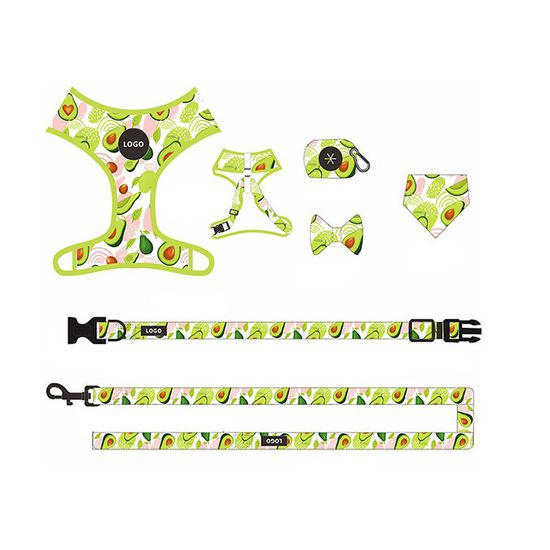
Grey Plaid Soft Polyester Dog Collar Pet Product

Red DOT Sweet Soft Dog Collar Pet Product

Bowtie Dog Collar and Cat Collar Adjustable Cotton Dog Collar
I have found results from50000+products and10000+suppliers aboutNew polyester products


When evaluating new polyester products, focus on denier (D) for thickness and thread count for density. For apparel, prioritize moisture-wicking treatments and anti-pilling grades (Level 3-4). If sourcing for outdoor use, ensure the material has a high UV resistance rating and a hydrostatic pressure test result of at least 1500mm for water resistance. Always verify the GSM (Grams per Square Meter) to ensure the fabric weight matches your specific application needs.
To ensure market entry and consumer safety, products should adhere to OEKO-TEX® Standard 100, which certifies the absence of harmful substances. For recycled polyester (rPET), a Global Recycled Standard (GRS) certification is mandatory to verify environmental claims. For the US market, ensure compliance with CPSC lead and phthalate regulations, while for the EU, products must meet REACH chemical restrictions.
Quality is best verified through third-party lab testing focusing on tensile strength and colorfastness to light and washing (Grade 4+). While virgin polyester often has a smoother hand-feel, high-quality rPET (Recycled Polyester) should show no significant difference in performance. Request a Transaction Certificate (TC) for recycled goods to trace the material back to its source and ensure it isn't a low-quality imitation.
Modern sourcing should target cationic dyeable polyester for vibrant multi-color effects, cool-touch fibers for activewear, and flame-retardant (FR) polyester for contract textiles. Additionally, look for mechanical stretch properties that provide elasticity without the use of spandex, which improves the recyclability and longevity of the garment.
Implement a staged inspection strategy. Do not rely solely on the initial sample. Use a Pre-Shipment Inspection (PSI) conducted by a third party to check the actual GSM, color matching (Delta E < 1.0), and weight of the bulk cargo. Utilize Made-in-China.com's Secured Trading services to ensure payment is only released once the quality benchmarks are confirmed.
Negotiate based on raw material index pricing (PTA and MEG costs). Ask for tiered pricing where the unit cost drops by 5-10% as volume doubles. Request 'Greige' fabric booking to lock in material costs during market fluctuations, allowing you to decide on specific colors or prints at a later date to reduce inventory risk.
Polyester is prone to static electricity and moisture absorption if improperly packed. Ensure the supplier uses double-layered PE bags and desiccant packs inside cartons. For sea freight, specify FCL (Full Container Load) when possible to avoid cross-contamination from other goods, and ensure the HS Code (typically Chapter 54 or 55) is accurately declared to avoid customs delays or anti-dumping duties.
Always verify the supplier's Business License and Export Qualification. Prioritize Audited Suppliers on Made-in-China.com who have undergone on-site verification by independent agencies like SGS or Bureau Veritas. Use Letter of Credit (L/C) or Escrow payment methods for first-time large orders to protect your capital against non-delivery.