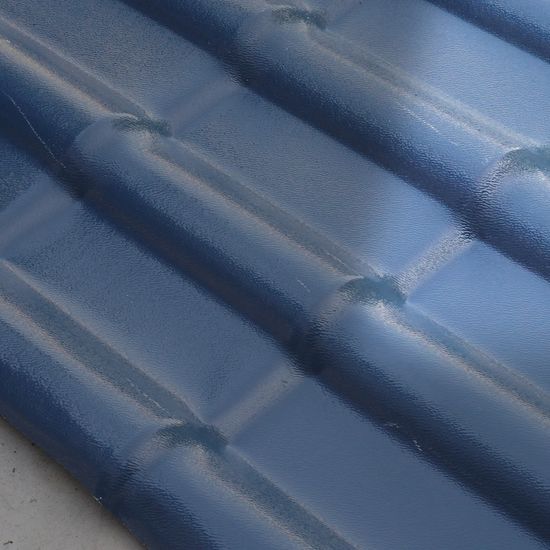
Replace Color Steel Roof Non Asbestos Waterproof UPVC Corrugated Plastic PVC Roofing Sheet

Steel Replacement ASA Resin Roof Tile Durable Plastic ASA PVC Roofing Sheet

Anti UV Waterproof Rustfree Synthetic Resin ASA UPVC Roof Shingles Tile Sheets

I have found results from3000+products and900+suppliers aboutNon-asbestos roofing sheet price


High-quality non-asbestos roofing sheets are typically composed of PVA fibers, high-grade Portland cement, and reinforced cellulose fibers. When sourcing, you must ensure the product complies with ISO 9933 or ASTM C1185 standards. Key technical indicators include a density of at least 1.4g/cm³ and a bending strength (modulus of rupture) exceeding 16 MPa. For B2B buyers, it is critical to verify that the asbestos content is 0%, as even trace amounts can lead to severe legal and health liabilities in many jurisdictions.
The selection depends heavily on the local climate. For high-humidity or coastal areas, prioritize sheets with low water absorption rates (<25%) and anti-corrosion coatings to prevent moss growth and salt air degradation. In industrial zones, the sheets must demonstrate acid and alkali resistance. For residential or commercial roofing, consider the thermal insulation properties and soundproofing capabilities, ensuring the thickness is usually between 4mm to 6mm for an optimal balance of weight and structural integrity.
To guarantee safety and quality, you should request CE marking for European markets or UL certification for North America. Additionally, an ISO 14001 Environmental Management System certification indicates the supplier follows sustainable production practices. Most importantly, ask for a Third-Party Non-Asbestos Test Report (such as from SGS or Intertek) to confirm the product is 100% asbestos-free, which is a mandatory requirement for customs clearance in most developed countries.
Do not focus solely on the initial unit price. Calculate the Total Cost of Ownership (TCO) by factoring in the lifespan (typically 20-30 years) and maintenance costs. Cheaper sheets may have higher breakage rates during transit (aim for <3%) or require more frequent replacement. Negotiate for bulk discounts, which can range from 10% to 20% for full container loads (FCL), and verify if the supplier provides installation accessories (screws, waterproof caps) as a bundled value-add.
The biggest risk is product breakage during maritime transport due to the brittle nature of cement-based products. To mitigate this, insist on palletized packaging with reinforced corner protectors and PE stretch film. Furthermore, use Made-in-China.com's Secured Trading services to ensure that payment is only released after the goods pass a pre-shipment inspection (PSI), which verifies both quantity and quality.
Focus on transparency and long-term partnership. Request a breakdown of the raw material costs (cement vs. fiber) to understand price fluctuations. Negotiate favorable Incoterms, such as FOB (Free On Board), to maintain control over shipping costs and insurance. If you are a repeat buyer, push for staggered payment terms (e.g., 30% deposit, 70% against BL copy) rather than 100% upfront to protect your cash flow.
Roofing sheets are heavy and high-volume; therefore, sea freight is the only viable option. Ensure the supplier provides a Material Safety Data Sheet (MSDS) and a Non-Asbestos Declaration to avoid customs delays or seizures. Check your local import tariff codes (HS Code 6811.82) to calculate duties accurately. For shipping to specific regions like Africa or Southeast Asia, confirm if the supplier has experience with SGS or BV inspections required by those local governments.