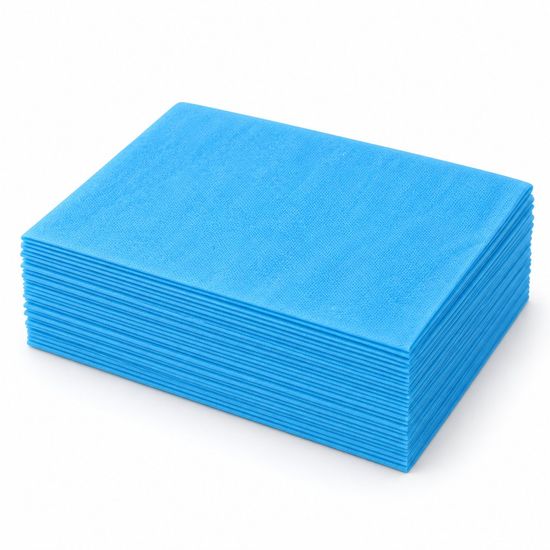
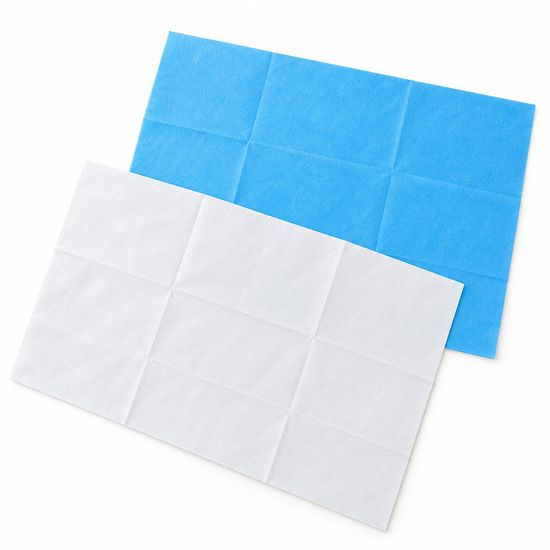
Non Woven Disposable Robe for Beauty Salon and SPA

PP Disposable Non-Women Briefs for Women

PP Disposable Nonwoven Underwear for Men

I have found results from400+products and200+suppliers aboutNon disposable


When sourcing non-disposable items, prioritize high-grade raw materials such as 304/316 stainless steel, BPA-free food-grade plastics, or reinforced alloys. Request fatigue test reports and tensile strength data to ensure the product can withstand repeated use. For mechanical items, verify the rated lifecycle (e.g., 10,000+ cycles) to guarantee long-term ROI for your customers.
Compliance is critical for market entry. Ensure products meet CE (Europe), FCC/UL (USA), or UKCA (UK) standards depending on the category. For products in contact with food or skin, verify FDA, REACH, or RoHS certifications. Always ask the supplier for valid certificate copies and cross-check them with the issuing body to avoid legal risks.
For technical products, ensure universal compatibility (e.g., USB-C charging ports, global voltage 110V-240V, or standard thread sizes). Request CAD drawings or technical data sheets to confirm the product integrates seamlessly with existing ecosystems. Choosing modular designs can also reduce long-term costs by allowing for component replacement rather than full unit disposal.
Look for suppliers with ISO 9001:2015 Quality Management Systems. Examine the surface treatment (e.g., powder coating, anodizing) for consistency and corrosion resistance. A professional supplier should provide Pre-Shipment Inspection (PSI) reports and maintain a defect rate below 0.5% for bulk shipments.
Always use secure payment methods and consider Trade Assurance services provided by reputable platforms like Made-in-China.com. Conduct a factory audit (either in-person or via a third-party like SGS/TÜV) to verify the supplier's production capacity and legal existence before sending large deposits.
Focus on the Total Cost of Ownership (TCO) rather than just the unit price. Negotiate tiered pricing where the cost drops as volume increases. If you are a startup, negotiate a lower initial MOQ by offering to pay a slightly higher unit price for the first 'test' batch, with a written agreement to rebate the difference upon the first full-scale container order.
Clearly define Incoterms (e.g., FOB, CIF, or DDP) in the contract. For heavy durable goods, sea freight is most economical, but ensure the packaging uses heavy-duty corrugated boxes and pallets to prevent damage during transit. Ensure all HS Codes are accurate to avoid customs delays or unexpected anti-dumping duties.
Secure a warranty period of at least 12-24 months. Negotiate a spare parts allowance (typically 1-2% of order volume) to be included free of charge. Ensure the contract specifies the remedy for defective batches, such as full refunds, credit notes, or replacement in the next shipment.