Orthopedic Bone Cutting Shaver Blade for Arthroscopic Surgery
US$11.00-15.00
10 Pieces(MOQ)

Hospital Multi-Functional Arthroscopy Shaver System Orthopedic Saw Blade
US$5.50-7.00
100 Pieces(MOQ)

CE Approved Arthroscopy Shaver Blade 162mm Length SUS304 Orthopedic Saw Blade
US$7.00-15.00
10 Pieces(MOQ)

Arthroscopic Shaver Blade Small Joint Orthopedic Rotated Cutter Teeth
US$11.00-15.00
10 Pieces(MOQ)
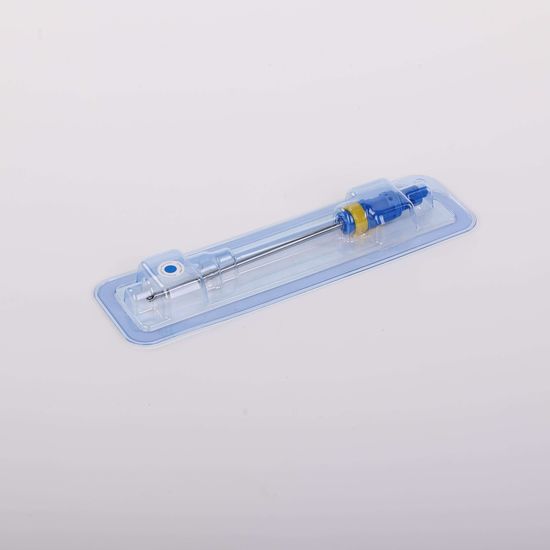
Medical Bone Cutter Orthopedic Shaver Blade for Surgical Instrument
US$11.00-15.00
10 Pieces(MOQ)

Orthopedic Cutting Instruments Handle Surgical Arthroscopic Shaver Blade
Negotiable
100 Pieces(MOQ)
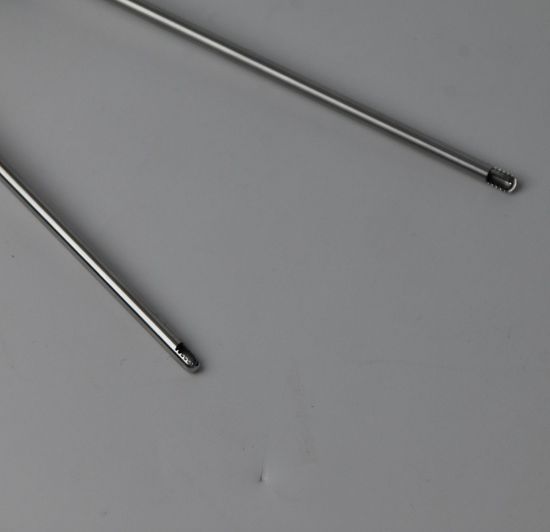
Surgical Instrument Orthopedic Rotated Shaver Blade with Customized Blade Head
US$11.00-15.00
10 Pieces(MOQ)

Orthopedic Arthroscopic Cutting Instruments Arthroscopic Shaver Blade
US$11.00-15.00
10 Pieces(MOQ)

Sports Medical Disposable Cutter Bone Orthopedic Shaver Blade with Handle
US$7.00
100 Pieces(MOQ)

Medical Surgical Orthopedic Bone Cutter Arthroscopic Shaver Blade Manufacturer
US$11.00-15.00
10 Pieces(MOQ)
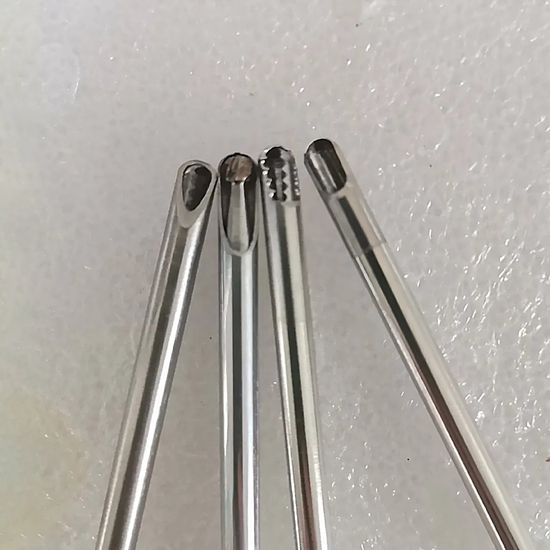
Bone Cutter Medical Insterment Orthopedic Shaver Blade with Customized Teeth Shape
US$11.00-15.00
10 Pieces(MOQ)
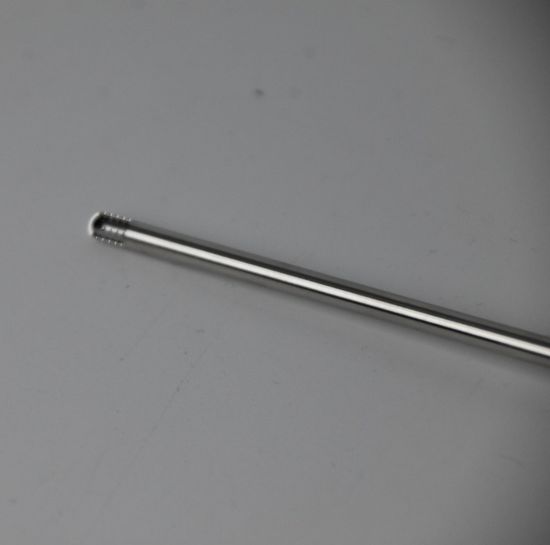
Disposable Medical Instrument Orthopedic Rotated Shaver Blade for Hospital Use
US$11.00-15.00
10 Pieces(MOQ)
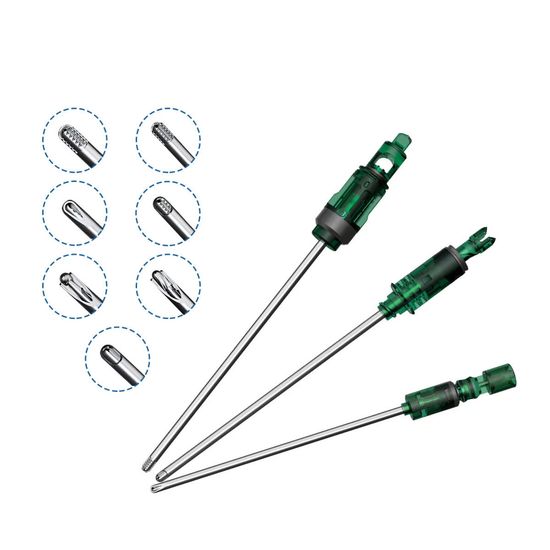
Customized Disposable Orthopedic Shaver Blade with High Roundness for Small Joint
US$11.00-15.00
10 Pieces(MOQ)