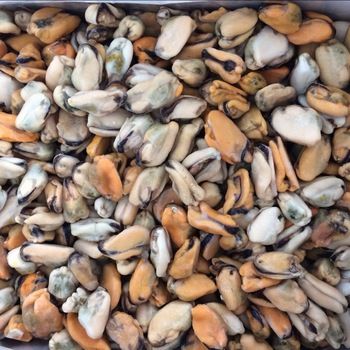
Oyster meat manufacturers
I have found results from400+products and200+suppliers aboutOyster meat
Wholesale Frozen Mussel Meat for Restaurant & Supermarket
US$1,000.00-5,000.00
4 Tons(MOQ)
Best Price Frozen Mussel Meat for Export
US$1,000.00-5,000.00
4 Tons(MOQ)
High Quality IQF Frozen Mussel Meat for Sale
US$1,000.00-5,000.00
3 Tons(MOQ)
Factory Direct Sale Frozen Mussel Meat
US$1,000.00-5,000.00
4 Tons(MOQ)
Top Grade Frozen Mussel Meat with Stable Supply
US$1,000.00-5,000.00
3 Tons(MOQ)
Premium Quality Frozen Bay Scallop Meat for Export
US$2,000.00-5,000.00
5 Tons(MOQ)
Boiled and Frozen Mussel Meat
US$2,000.00-2,400.00
15,000 kg(MOQ)
Boiled Frozen Mussel Meat Without Shell
US$2,000.00-2,400.00
15,000 kg(MOQ)
Factory Supply New Season Mytilus Edulis Frozen Boiled Mussel Meat
US$2,000.00-2,400.00
15,000 kg(MOQ)
Frozen Cooked Mussel Meat 100-200
US$2,000.00-2,400.00
15,000 kg(MOQ)
Sourcing guidance for Oyster Meat
What are the key quality indicators to look for when sourcing frozen or chilled oyster meat?
Buyers should prioritize sensory attributes and processing standards. High-quality oyster meat should have a plump appearance, clear liquor (if applicable), and a fresh, briny scent without any ammonia or sour notes. Technically, you must verify the Drip Loss percentage; excessive water weight indicates poor freezing techniques or over-glazing. Ensure the supplier uses Individual Quick Freezing (IQF) technology to maintain the cellular structure and texture of the meat.
Which international food safety certifications are mandatory for importing oyster meat?
Due to the high risk of foodborne pathogens, suppliers must hold HACCP (Hazard Analysis and Critical Control Points) and ISO 22000 certifications. For entry into the US market, FDA registration and compliance with the National Shellfish Sanitation Program (NSSP) are essential. For the EU, the processing plant must be on the list of approved establishments for export to the European Union, ensuring strict monitoring of biotoxins and heavy metals (Lead, Cadmium, Mercury).
How does the 'Glazing' percentage affect the pricing and net weight of the product?
In the frozen seafood industry, glazing (a thin layer of ice) is used to prevent freezer burn. However, it is a common area for price manipulation. Buyers must clarify if the quoted price is for Net Weight (100% meat) or Gross Weight (including ice). Standard glazing is usually 10% to 20%. Always specify the Net Weight requirement in the contract to ensure you are not paying seafood prices for ice.
What technical specifications should be defined regarding the size and grading of oyster meat?
Oyster meat is typically graded by count per kilogram or pound (e.g., 20-30 pcs/kg). You should request a uniformity ratio to ensure consistent sizing within a batch. Additionally, specify the cleaning process—whether the meat is 'hand-shucked' and if it has undergone ultrasonic cleaning or depuration to remove sand, grit, and shell fragments.
Cross-Border Procurement & Risk Management for Oyster Meat
What are the primary logistics risks when shipping frozen oyster meat internationally?
The biggest risk is Cold Chain Breach. Oyster meat must be maintained at a constant temperature of -18°C (-0.4°F) or lower. Buyers should require the use of Temperature Data Loggers inside the reefer container to monitor fluctuations during transit. Any deviation above -12°C for an extended period can lead to bacterial growth and total cargo rejection by customs health authorities.
How can I verify the reliability of a seafood supplier on Made-in-China.com?
Look for Audited Suppliers who have undergone on-site inspections by third-party institutions like SGS or Intertek. Review their Export Experience specifically in the seafood category. It is highly recommended to request a Production Video or a live virtual tour of their cold storage and shucking facilities to ensure they meet GMP (Good Manufacturing Practices).
What strategies should be used for price negotiation with oyster meat wholesalers?
Negotiations should be based on Seasonality and Volume. Prices fluctuate based on the harvest season (typically peak quality in winter). To secure better rates, consider Long-term Forward Contracts or larger volume commitments. You can also negotiate based on Payment Terms, such as offering a higher deposit in exchange for a lower unit price, or using Trade Assurance services to protect your funds until quality is verified.
What are the essential documents required for customs clearance of seafood?
To avoid port delays and demurrage charges, ensure the supplier provides a Health Certificate issued by the government authority of the exporting country, a Certificate of Origin, a Catch Certificate (to prove legal fishing/farming), and a Detailed Packing List. For certain regions, a Bacteriological Analysis Report (testing for Salmonella, E. coli, and Listeria) is mandatory.