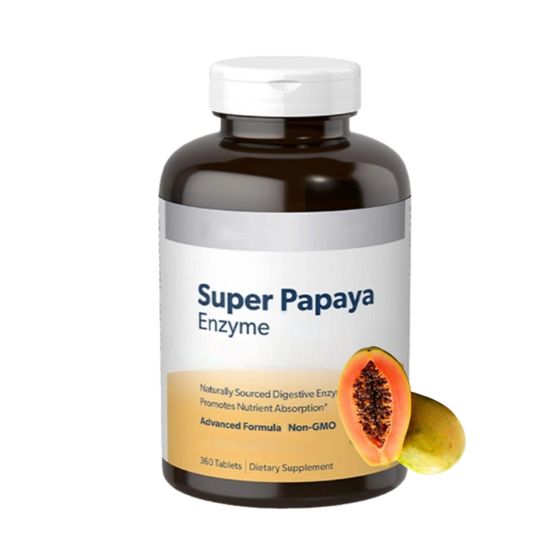
Hot Selling Good Quality High Purity Papain CAS 9001-73-4 in Stock

High Purity Papain for Enzyme and Protein Digestion Solutions

High Quality Papain for Digestive Enzyme Supplements and Applications

I have found results from400+products and200+suppliers aboutPapain


The most critical factor is Enzyme Activity, usually measured in TU/mg (Tyrosine Units), USP units, or MCU (Milk Clotting Units). For food processing, activity levels typically range from 50,000 to 2,000,000 USP/mg. You must also specify the Physical Form (refined powder vs. liquid) and Solubility, as high-purity papain should be completely soluble in water to ensure efficient catalysis in liquid formulations.
Since Papain is widely used in food and pharmaceuticals, suppliers must provide ISO 22000 or HACCP certifications for food safety. For the US market, FDA GRAS (Generally Recognized as Safe) status is essential. If targeting health-conscious consumers, prioritize suppliers with Kosher, Halal, and Non-GMO certifications. Always request a Certificate of Analysis (COA) for every batch to verify heavy metal limits (e.g., Lead < 5ppm) and microbial safety (e.g., Salmonella negative).
Papain is extracted from the latex of Carica papaya. Spray-dried powder is the industry standard for stability, while Ultrafiltration is used for high-purity, pharmaceutical-grade enzymes. Refined Papain is more expensive but offers higher stability and lower odor compared to crude sun-dried latex. Buyers should evaluate the pH stability range (typically 3.0 to 9.0) and Temperature optimum (60°C to 70°C) to ensure the product fits their specific application, such as meat tenderization or beer chill-proofing.
Papain is a bioactive protein and is sensitive to environmental factors. It should be stored in a cool, dry place (below 4°C to 10°C) to maintain enzymatic activity. Under optimal conditions, the shelf life is typically 12 to 24 months. Buyers should negotiate a 'Loss on Drying' specification of <5% to prevent clumping and degradation during long-distance cross-border shipping.
Enzymes can denature if exposed to high temperatures in shipping containers. Use Cold Chain Logistics or Insulated Packaging for high-value orders. Ensure the supplier uses Vacuum-sealed aluminum foil bags to protect against moisture and oxidation. On Made-in-China.com, look for Audited Suppliers who have experience in chemical and biological exports to ensure proper handling.
Focus on Activity-to-Price Ratio rather than just the price per kilogram. A cheaper product with lower activity may actually be more expensive in application. Request a Pre-shipment Sample from the same batch intended for the bulk order. For long-term contracts, negotiate a Price Adjustment Clause based on the seasonal availability of raw papaya fruit to manage cost fluctuations.
Utilize Secure Payment Services provided by platforms like Made-in-China.com to protect your funds until delivery. For large orders, hire a Third-Party Inspection Agency (like SGS or Intertek) to conduct an Enzyme Activity Assay at the supplier's warehouse before the balance payment is released. This prevents the common risk of receiving 'diluted' enzyme powder.
Papain is often classified under HS Code 350790. Ensure the supplier provides a Material Safety Data Sheet (MSDS) and a Non-Hazardous Chemical Declaration to avoid customs delays. Verify if your country requires a Phytosanitary Certificate or specific import permits for biological catalysts to ensure smooth clearance at the destination port.