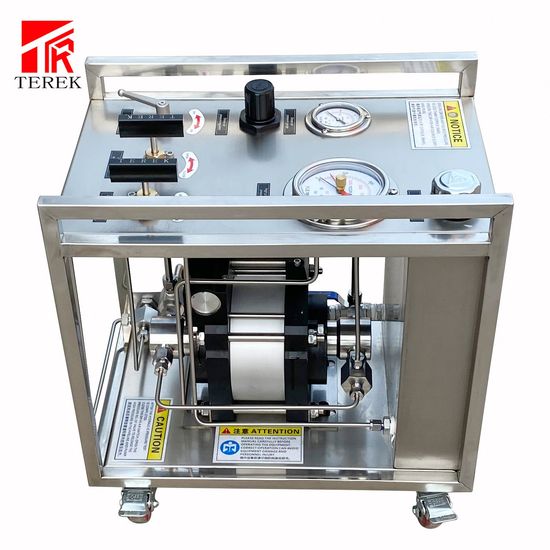
Pneumatic Hydraulic Pump for Water/Oil Filling Machine with Precision Pressure Gauge

Hydro Pneumatic Test Pump for Fluid Delivery in Hazardous Areas

Pneumatic Gas Pump for CO2 Filling and Pressurization

I have found results from400+products and200+suppliers aboutPneumatic


When sourcing pneumatic cylinders, you must prioritize bore size and stroke length to ensure the component meets your force and distance requirements. Additionally, verify the operating pressure range (typically 0.1 to 1.0 MPa) and the cushioning type (adjustable air cushioning vs. rubber bumpers) to prevent mechanical shock. For high-precision industries, ensure the piston rod material is chrome-plated carbon steel or stainless steel to resist corrosion and wear.
Compatibility is driven by thread standards (NPT, BSPP, or BSPT); using mismatched threads will lead to air leaks. You should also confirm the voltage requirements for solenoid valves (e.g., DC24V, AC110V, or AC220V) to match your local electrical grid or control system. For the tubing, ensure the OD (Outside Diameter) matches the push-to-connect fittings exactly to maintain a vacuum-tight seal.
To protect downstream components, the air must be treated according to ISO 8573-1:2010 standards. This involves using FRL (Filter, Regulator, Lubricator) units to remove particulates, water, and oil. For food-grade or medical applications, you must source oil-free compressors and specialized filtration to prevent contamination of the end product.
For the European market, CE marking is mandatory, particularly for solenoid valves and pressure vessels under the Pressure Equipment Directive (PED). For North America, look for UL or CSA certification on electrical components. If the equipment is used in explosive atmospheres, ATEX or IECEx certification is non-negotiable to ensure operational safety.
Always request a material test report (MTR) and a functional test video of the specific batch before shipment. For large orders, it is highly recommended to hire a third-party inspection service (like SGS or Intertek) to perform a pre-shipment inspection (PSI) to verify dimensional accuracy and pressure-holding capabilities.
Focus on the Total Cost of Ownership (TCO) rather than just the unit price. Negotiate for spare parts kits (seals and O-rings) to be included in the bulk price, as these are high-wear items. Ask for tiered pricing based on annual volume commitments, which can often secure a 10-15% discount compared to one-off spot purchases.
Pneumatic components are heavy and sensitive to moisture. Ensure the supplier uses VCI (Vapor Corrosion Inhibitor) packaging for steel components and vacuum-sealed plastic bags for valves. For sea freight, specify fumigated wooden crates with internal bracing to prevent movement, as heavy cylinders can easily damage other goods if they shift.
Ensure the HS Code (typically 8412 for pneumatic power engines/motors) is correctly declared to avoid tariff penalties. Be aware that pressure tanks/receivers may require specific import permits or safety inspections by your local government authorities before they can be cleared through customs.