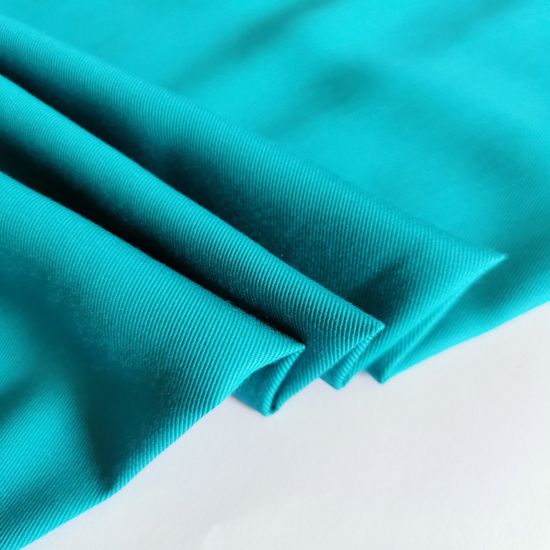
Lyocell Polyester Spandex Twill Elastic Stretch Bengaline Imitation Denim Suit Fabric for Jeans and Cowboy Dress

100% Polyester Elastic Fabric with Good Resistance to Wear and Heat

I have found results from30000+products and9000+suppliers aboutPolyester lyocell fabric


When evaluating this fabric, the blend ratio is critical; common ratios like 65% Lyocell / 35% Polyester offer a balance of silk-like hand-feel and durability. You must verify the yarn count (e.g., 30s, 40s, or 60s) as higher counts indicate a finer, more premium textile. Additionally, check the fabric weight (GSM) to ensure it matches the intended use—lightweight (80-120 GSM) for shirts or heavier (150+ GSM) for trousers. Ensure the supplier provides colorfastness ratings of Grade 4 or higher to prevent fading after industrial washing.
Since Lyocell is marketed as an eco-friendly fiber, you should request FSC (Forest Stewardship Council) or PEFC certifications to ensure the wood pulp is sustainably sourced. For chemical safety, prioritize suppliers who hold the OEKO-TEX® Standard 100 certification, which guarantees the fabric is free from harmful substances. If you are targeting the European market, ensure the manufacturer complies with REACH regulations regarding dye and finishing agents.
To enhance the value of the fabric, you can request specialized finishes such as anti-pilling treatments, which are essential for Lyocell blends to maintain a smooth surface. Other options include moisture-wicking finishes for activewear, wrinkle-resistance (Easy-Care) for corporate uniforms, and antibacterial treatments for medical or hospitality textiles. Always ask for third-party lab test reports (SGS or ITS) to validate these functional claims before placing a bulk order.
The most effective strategy is to implement a multi-stage sampling process: start with a 'hand-loom' or 'lab-dip' for color approval, followed by a pre-production sample (PPS). For large orders, hire a third-party inspection service to conduct an In-Line Inspection and a Final Random Inspection (FRI) based on AQL 2.5/4.0 standards. This ensures the fabric roll length, width, and defect rate (points per 100 square yards) meet your contract specifications before the balance payment is made.
Focus on Total Cost of Ownership (TCO) rather than just the per-meter price. Negotiate for flexible MOQ (Minimum Order Quantity) if you are testing new colors, and ask for volume-based rebates. It is highly recommended to use secured payment terms or Letter of Credit (L/C) for first-time transactions. Clearly define the Incoterms (e.g., FOB Shanghai or CIF) in the proforma invoice to avoid hidden logistics costs or disputes over insurance coverage.
Fabric rolls are susceptible to moisture and physical damage. Insist that the supplier uses double-layer packaging: an inner plastic bag for moisture protection and an outer woven bag for durability. Ensure the shipping marks are clear and include the batch number for traceability. For sea freight, verify the container loading plan to prevent crushing of the rolls at the bottom of the stack. If shipping to the US or EU, ensure your customs broker has the correct HS Code (typically 5515 or 5512) to avoid tariff misclassification and delays.