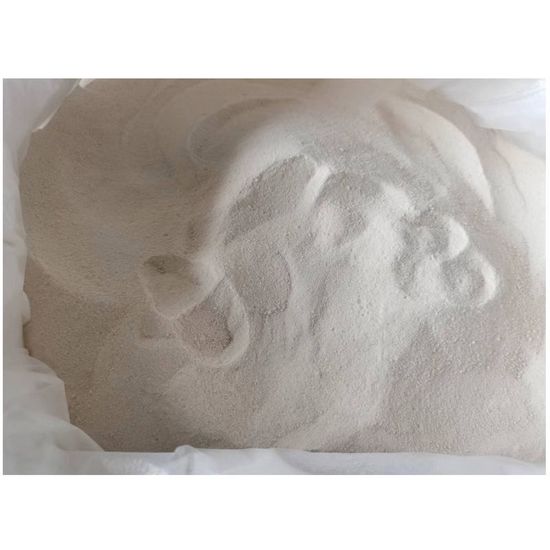
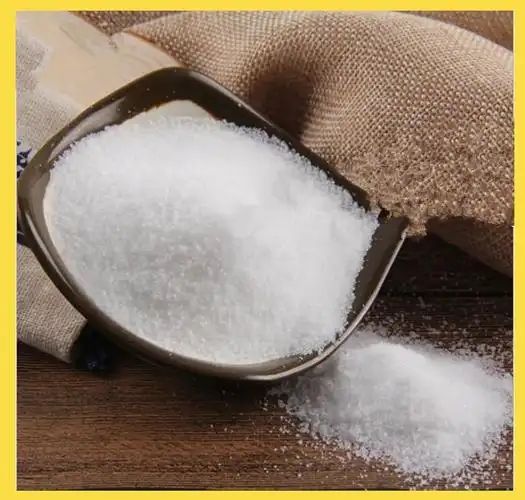
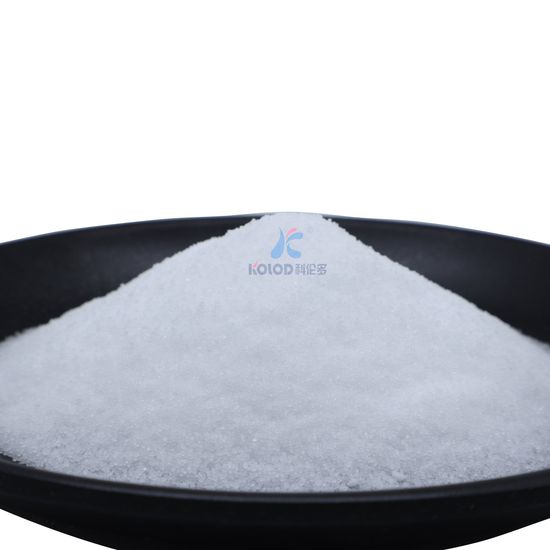
Potassium Chloride Kcl with Good Price CAS 7447-40-7

High Purity 99.5% Potassium Chloride Food Grade Potassium Chloride

High Quality Food and Industrial Grade Potassium Chloride (KCl) Powder

I have found results from400+products and200+suppliers aboutPotassium chloride 25kg


Potassium Chloride (KCl) is generally categorized into three main grades: Industrial Grade, Food/Pharmaceutical Grade, and Agricultural Grade (MOP). Industrial grade is typically used for oil drilling fluids and metal processing, requiring a purity of 99% or higher. Food grade must comply with FCC (Food Chemicals Codex) or USP/BP standards for use as a sodium substitute or mineral supplement. Agricultural grade, often referred to as Muriate of Potash, focuses on K2O content (usually 60-62%) and is available in white or red granular/powder forms depending on the extraction process.
Buyers should focus on purity levels (min 99%), moisture content (typically <0.2%), and heavy metal limits (Lead, Arsenic, Mercury). For specific applications like electrolysis or chemical synthesis, the Sodium (Na) and Magnesium (Mg) content must be strictly controlled. Always request a Certificate of Analysis (COA) that matches the specific batch number of the 25kg bags to ensure consistency in chemical properties.
Potassium Chloride is hygroscopic, meaning it absorbs moisture from the air. The 25kg packaging should consist of PP (Polypropylene) woven bags with a PE (Polyethylene) inner liner to prevent caking and degradation. For long-distance cross-border shipping, ensure the bags are UV-stabilized and palletized with shrink-wrap to prevent moisture ingress and physical damage during transit. Storage should be in a cool, dry, and well-ventilated warehouse away from incompatible substances like strong acids.
For industrial use, ISO 9001 certification of the manufacturer is standard. If the product is intended for the EU, REACH registration is mandatory. For the US market, compliance with TSCA (Toxic Substances Control Act) is required. If the KCl is being used as a fertilizer, it must meet the specific nutrient labeling laws of the destination country. Always ensure the supplier provides a Material Safety Data Sheet (MSDS/SDS) in the language of the importing country.
The primary risks include purity fraud, where lower-grade agricultural salt is sold as high-purity industrial grade, and weight shortages in 25kg bags. To mitigate this, utilize third-party inspection services (like SGS or Intertek) to verify the chemical composition and bag count before the container is sealed. Additionally, be aware of price volatility in the global potash market, which can affect long-term contract stability.
Given the weight-to-volume ratio, Potassium Chloride is usually shipped in 20ft containers (FCL) to maximize weight capacity (typically 25-27 metric tons per container). Negotiate for FOB (Free On Board) terms if you have a reliable freight forwarder, or CIF (Cost, Insurance, and Freight) if you want the supplier to handle the risk until the destination port. Ensure the contract specifies 'seaworthy packaging' to withstand high humidity during sea transit.
For secure transactions, use Trade Assurance or Letters of Credit (L/C) for large volumes. When sourcing through Made-in-China.com, prioritize Audited Suppliers who have undergone verified on-site inspections. Never transfer full payments to personal bank accounts; always use corporate accounts verified by the platform to ensure legal recourse in case of disputes.
Yes, Potassium Chloride can be subject to export taxes or quotas in certain producing countries (like Russia or Belarus) and anti-dumping duties in importing regions. Check the HS Code (typically 3104.20) against your local customs tariff schedule. Ensure all documentation, including the Commercial Invoice, Packing List, and Certificate of Origin, accurately reflects the product grade to avoid customs delays or misclassification fines.