
SourcingAI

Railway brake block manufacturers

I have found results from400+products and200+suppliers aboutRailway brake block

Shiyan Keheng Machinery Manufacturing Co., Ltdmic-icon
Satisfies 2/2 of your requirements
Reliable Impact Resistant OEM Custom Composite Railway Train Brake Block

Reliable Impact Resistant OEM Custom Composite Railway Train Brake Block

US$13.00
1,000 Pieces(MOQ)
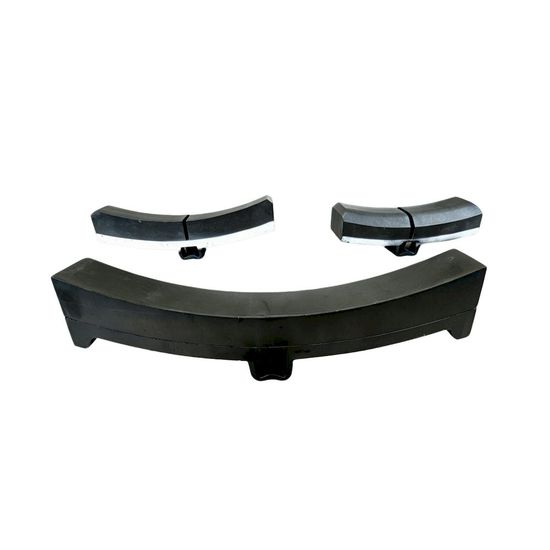
Wear Resistant Uic Composite Brake Block for Railway Wheel Tread Braking

Wear Resistant Uic Composite Brake Block for Railway Wheel Tread Braking

US$13.00
1,000 Pieces(MOQ)
Uic Locomotive Composite Railway Brake Block for Wheel Tread Braking

Uic Locomotive Composite Railway Brake Block for Wheel Tread Braking

US$13.00
1,000 Pieces(MOQ)
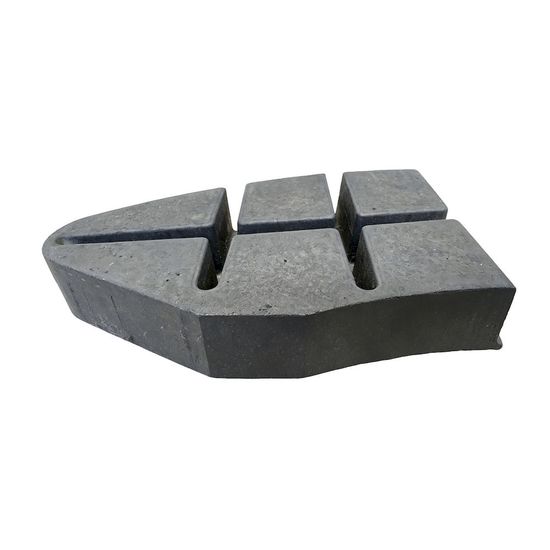
Composite Railway Brake Block for Wheel Tread Braking and Maintenance

Composite Railway Brake Block for Wheel Tread Braking and Maintenance

US$13.00
1,000 Pieces(MOQ)
Custom Railway Composite Brake Block for Locomotive Wheel Tread Braking

Custom Railway Composite Brake Block for Locomotive Wheel Tread Braking

US$13.00
1,000 Pieces(MOQ)
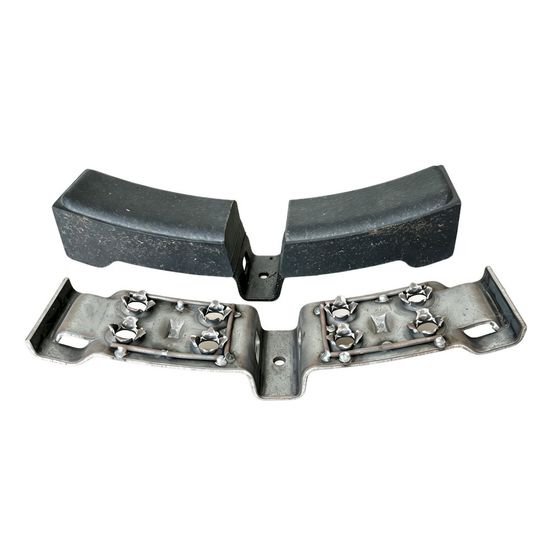
Uic AAR Brake Block Standard Composite Railway Brake Block for Trains OEM Custom

Uic AAR Brake Block Standard Composite Railway Brake Block for Trains OEM Custom

US$13.00
1,000 Pieces(MOQ)
Durable Composite Brake Block for Railway and Locomotive Applications

Durable Composite Brake Block for Railway and Locomotive Applications

US$13.00
1,000 Pieces(MOQ)
Sample Available
Durable Railway Brake Block Designed for Heavy-Duty Train Applications

Durable Railway Brake Block Designed for Heavy-Duty Train Applications

US$13.00
1,000 Pieces(MOQ)
Sample Available
Reliable Composite Brake Block for All Railway Applications

Reliable Composite Brake Block for All Railway Applications

US$13.00
1,000 Pieces(MOQ)
Sample Available
Uic Approved Train Brake Block for Dependable Railway Operations

Uic Approved Train Brake Block for Dependable Railway Operations

US$13.00
1,000 Pieces(MOQ)
Sample Available
Premium Composite Brake Block for Reliable Railway Operations

Premium Composite Brake Block for Reliable Railway Operations

US$13.00
1,000 Pieces(MOQ)
Sample Available
Durable Railway Brake Block for Efficient Train Stopping Power

Durable Railway Brake Block for Efficient Train Stopping Power

US$13.00
1,000 Pieces(MOQ)
Sample Available
Heavy-Duty Railway Composite Brake Block for Freight Trains

Heavy-Duty Railway Composite Brake Block for Freight Trains

US$13.00
1,000 Pieces(MOQ)
Sample Available
Heavy-Duty Composite Brake Block for Reliable Railway Performance

Heavy-Duty Composite Brake Block for Reliable Railway Performance

US$13.00
1,000 Pieces(MOQ)
Sample Available
Composite Brake Block for Reliable Railway Wagon Performance

Composite Brake Block for Reliable Railway Wagon Performance

US$13.00
1,000 Pieces(MOQ)
Sample Available
Heavy-Duty Railway Brake Block for Safe and Efficient Train Travel

Heavy-Duty Railway Brake Block for Safe and Efficient Train Travel

US$13.00
1,000 Pieces(MOQ)
Sample Available
Advanced Railway Brake Block with Superior Composite Materials

Advanced Railway Brake Block with Superior Composite Materials

US$13.00
1,000 Pieces(MOQ)
Sample Available
Custom Uic Composite Brake Block for Railway Wheel Tread Friction Braking

Custom Uic Composite Brake Block for Railway Wheel Tread Friction Braking

US$13.00
1,000 Pieces(MOQ)
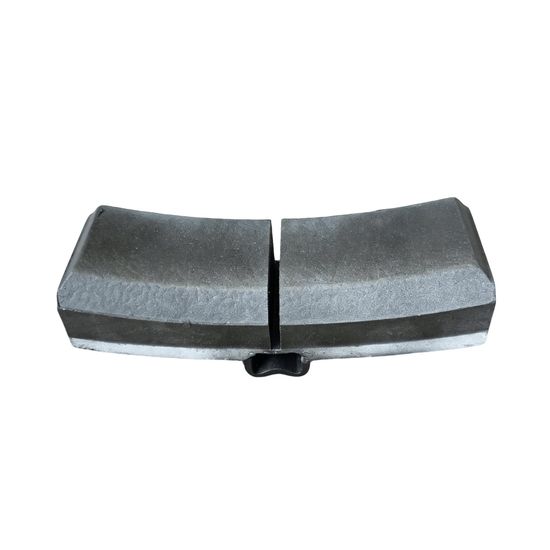
Custom Design Train Brake Block for Precision Engineered Rail Applications

Custom Design Train Brake Block for Precision Engineered Rail Applications

US$13.00
1,000 Pieces(MOQ)
Uic Railway Locomotive Composite Brake Block with Wear Resistance

Uic Railway Locomotive Composite Brake Block with Wear Resistance

US$13.00
1,000 Pieces(MOQ)
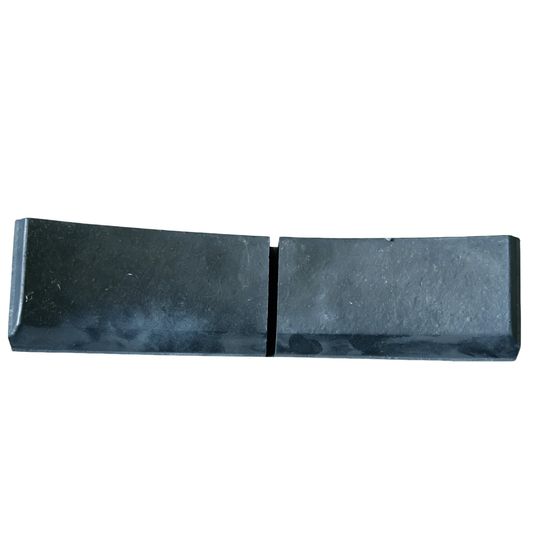
Uic Steel Composite Train Brake Block for Railway Wheel Tread Protection

Uic Steel Composite Train Brake Block for Railway Wheel Tread Protection

US$13.00
1,000 Pieces(MOQ)
Sample Available

Sourcing guidance for Railway Brake Block

What are the primary material types for railway brake blocks and how do they affect performance?

Railway brake blocks are generally categorized into Cast Iron (Grey or Phosphorus) and Composite (High-friction or Low-friction) materials. Cast iron blocks offer excellent thermal conductivity but are heavy and noisy. Composite blocks, made of resin and fibers, provide a stable friction coefficient, significantly reduce noise pollution, and have a longer service life, though they require careful thermal management to avoid wheel damage.

Which international standards must a railway brake block comply with for safety?

Compliance is critical for safety. You must ensure the products meet UIC 541-4 (International Union of Railways) standards for brake components. For specific markets, look for AAR (Association of American Railroads) approval in North America or TSI (Technical Specifications for Interoperability) in the European Union. Always request ISO 9001 and ISO/TS 22163 (IRIS) certifications to verify the manufacturer's quality management system for the railway sector.

What technical specifications are vital for ensuring compatibility with existing rolling stock?

Buyers must verify the friction coefficient (static and dynamic) to ensure it matches the braking system's design. Key physical dimensions include the radius of the friction surface, width, and thickness. Additionally, the back plate design must be compatible with the specific brake shoe holder used on your locomotives or wagons to prevent mechanical failure during operation.

How can I evaluate the durability and economic feasibility of brake blocks?

Focus on the wear rate per million kilowatt-hours or per thousand kilometers. While composite blocks have a higher initial purchase price, their lower weight reduces energy consumption and their extended replacement cycles significantly lower the Total Cost of Ownership (TCO). Request dynamometer test reports from the supplier to validate these performance claims.

Cross-Border Procurement & Risk Management for Railway Components

How can I mitigate the risk of receiving sub-standard safety components?

For critical safety items like brake blocks, never rely solely on digital photos. Utilize third-party inspection services (such as SGS or Bureau Veritas) to conduct pre-shipment inspections (PSI). Ensure the inspector verifies the hardness (Brinell), shear strength, and material composition against the agreed-upon technical data sheet.

What are the best strategies for negotiating with railway component suppliers?

Focus on volume-based pricing tiers and long-term supply agreements. Since railway maintenance is cyclical, offering a 12-month rolling forecast can help you secure discounts of 10-20%. Additionally, negotiate for extended warranty periods (e.g., 18 months from delivery) to cover potential latent manufacturing defects.

What should I consider regarding international logistics and shipping for heavy railway parts?

Brake blocks are high-density cargo. When sourcing from Made-in-China.com, compare FOB (Free On Board) and CIF (Cost, Insurance, and Freight) terms carefully. Due to the weight, sea freight is the most economical, but ensure the packaging uses fumigated wooden pallets with heavy-duty steel strapping and moisture-proof wrapping to prevent oxidation during transit.

How do I ensure transaction security in large-scale B2B railway orders?

Use Letter of Credit (L/C) for large initial orders to ensure payment is only released upon presentation of compliant shipping documents. For smaller trial batches, utilize secured payment services provided by reputable platforms like Made-in-China.com to protect your capital until the goods are verified at the port of entry.

Related queries