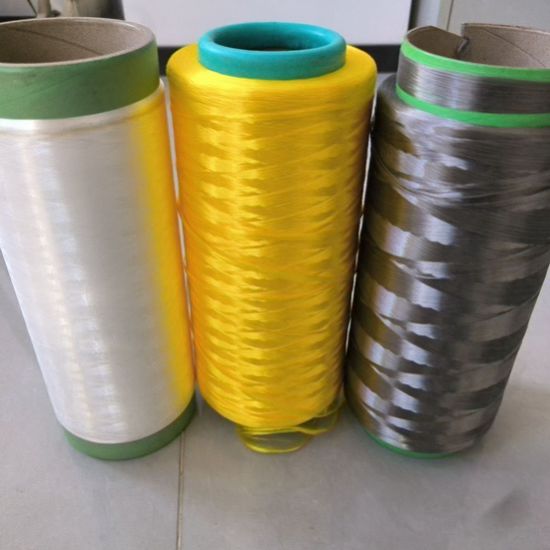
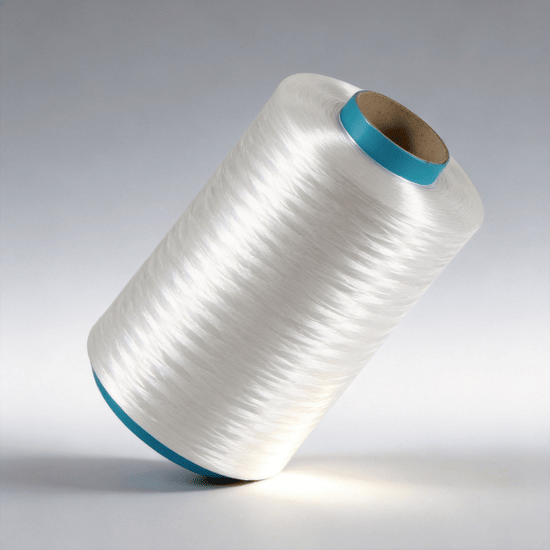
High-Performance Hppe Fiber for Durable Ropes and Nets

High-Strength Hmpe Fiber for Durable Civilian Woven Fabrics

High Strength Tension 1600d UHMWPE Hmpe Hppe Fiber for Ropes and Nets

I have found results from400+products and200+suppliers aboutRaw hemp fiber


When purchasing raw hemp fiber, you must prioritize fiber length (staple length) and fineness (micronaire), as these determine the spinning quality. For textile applications, look for degummed hemp with a low lignin content (typically <5%) to ensure softness. Additionally, verify the moisture regain standard (ideally 8-12%) to prevent mold during transit and ensure the fiber maintains its tensile strength.
Buyers should require GOTS (Global Organic Textile Standard) or OCS (Organic Content Standard) to verify organic claims. For entry into the US or EU, a Phytosanitary Certificate is mandatory to prove the shipment is free from pests. Crucially, ensure the supplier provides a Lab Analysis Report confirming the THC content is below the legal threshold (usually <0.3%) to avoid seizure by customs.
Evaluate the retting method used (water retting vs. dew retting); water-retted fiber generally offers higher strength and a cleaner color. Check for impurity rates, which should be less than 3% for premium grades. Request a color consistency report to ensure the fiber hasn't been over-bleached, which can compromise the natural antimicrobial properties of the hemp.
High-grade, long-staple fibers are best for luxury textiles and apparel. Medium-grade fibers are commonly used for industrial twine, canvas, and upholstery. Lower-grade or short fibers (tow) are ideal for non-woven applications, paper pulp, and reinforced bio-composites in the automotive industry.
This is the most critical risk in hemp sourcing. Always include a Certificate of Analysis (COA) from a third-party lab in the shipping documents. Ensure the H.S. Code (typically 5302) is correctly declared. We recommend using Made-in-China.com's verified suppliers who have experience with international hemp regulations to ensure all legal documentation is compliant with the destination country's laws.
Hemp prices fluctuate based on harvest seasons. Aim for long-term supply contracts to lock in pricing. For bulk orders exceeding 5 tons, you can typically negotiate a 10-15% discount. If you are a new buyer, start with a paid sample (5-10kg) to test fiber yield before committing to a high Minimum Order Quantity (MOQ).
Raw hemp is highly susceptible to moisture and odors. Insist on high-density compressed bales wrapped in breathable UV-resistant woven bags. Ensure the container is fitted with desiccant bags to prevent 'container rain.' For maritime shipping, specify FOB terms to maintain control over the logistics provider and ensure the vessel meets moisture control standards.
Use Secured Payment services provided by platforms like Made-in-China.com to ensure funds are only released after the Bill of Lading (B/L) is verified. Additionally, hire a third-party inspection agency (like SGS or Intertek) to perform a Pre-Shipment Inspection (PSI) to verify the weight and quality grade match the proforma invoice.