
Sewing machine puller manufacturers
I have found results from400+products and200+suppliers aboutSewing machine puller


Stainless Steel Sewing Machine Flanged Metal Home Use Computer Flat Car Zipper Puller

Brass Sewing Machine Flanged Metal Home Use Computer Flat Car Zipper Puller

Stainless Steel Sewing Machine Stop Edge Cut off Foot Industrial Flat Car Spare Part Presser Foot

Stainless Steel Customizable Factory Supply L Handle Hand Retractable Mechanical Positioning Spring Plunger

Qf-927-Plb-D High-Speed Two Needles Feed-off-The-Arm Sewing Machine Upper and Lower Puller Type

Compound Feed Auto Cutting and Binding Lockstitch Leather Sewing Machine for Mattress, Carmats

Double Needle Compound Feed Heavy Duty Lockstitch Leather Sewing Machine

Gt-205 Type Cylined Compund Feed Extra Heavy Duty Sewing machine

P2530 Puller Feed Roller for Sewing Machine

P2540 Puller Feed Roller for Sewing Machine
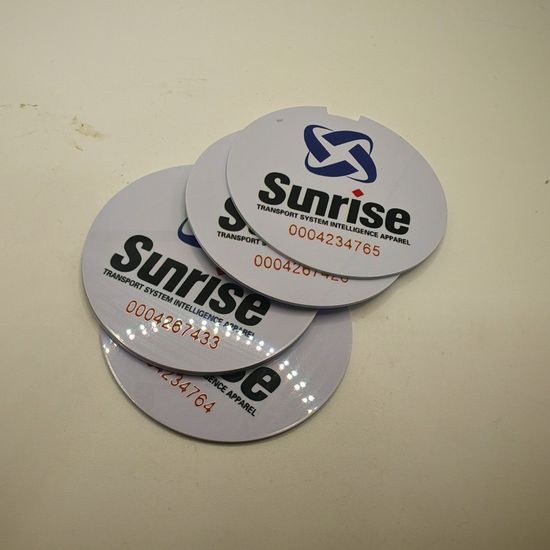
Sunrise Clothing Hanging System Chip/Identification Card

Needle Clamp Nut (3001227) for Megatex F300A

Puller for 30-38mm Stepped Shank Tool

C21_HDD_Drilling_Teeth_Drill_Bits_Auger_Teeth_Rock_Drill_Bits_Rotary_Digging_Cutter_Tooth_Carbide_Construction_Machinery_Parts_-

Jenz_Series_Wedge_Wood_Shredder_Hammer_With_Carbide_-_Hammer_And_Recycling_Hammer

Dopstadt_Shredder_Machine_Teeth_High_Speed_Ak_Flail_Tip_Hammer_-_Flail_Tip_And_Flail_Hammer

PT/PT-H Puller for Single, Double Needle Lockstitch Sewing Machines

P6 Double Step Motor Electronic Puller for Industrial Lockstitch Sewing Machine

Pk-S2 Puller for Industrial Overlock Sewing Machines with Upper and Lower Rollers

Pl-S1 Puller for Industrial Interlock Sewing Machine

Py Puller for Single, Double Needle or Special Industrial Sewing Machines

P5 Double Stepper Motor Electronic Puller for Industrial Lockstitch Sewing Machine

Pk Puller for Industrial Overlock Sewing Machines with Upper and Lower Rollers

Py-Sp Front Puller (For Spaghetti Sewing) for Industrial Sewing Machine

Pk-Sp Front Puller (For Spaghetti Sewing) for Industrial Overlock Sewing Machine

PF Puller for Feed-off-The-Arm Industrial Sewing Machines

Py-SD Electronic Front Puller (For Spaghetti) for Flat Bed Industrial Sewing Machine


Factory Outlet Essential Morse Shank Puller Accessory Tool for Machine Tools Users

Factory Outlet Half Automatic Morse Shank Puller Accessory for Machine Tools Users

High Quality CNC Lathe Tool DIN318 Half Automatic Morse Shank Puller

DIN318 Half Autoumatic Morse Shank Puller

Yl-30t 30t Hydraulic Gear Puller Wheel Bearing Separator Pump Adjustable Oil Tube Drawing Machine 3 in 1 Jaws Kits Puller Tools

Dyf-30 30t Hydraulic Gear Puller Wheel Bearing Separator Pump Adjustable Oil Tube Drawing Machine 3 in 1 Jaws Kits Puller Tools

Sourcing guidance for Sewing Machine Puller
What are the key technical specifications to consider when selecting a sewing machine puller?
When sourcing a sewing machine puller, you must prioritize compatibility with the machine head (e.g., flatbed, overlock, or interlock). Key specs include the roller material (polyurethane for delicate fabrics vs. steel for heavy-duty materials), adjustable pressure settings, and synchronization technology. Ensure the puller features a stepper motor or mechanical linkage that matches the feed dog speed to prevent fabric puckering or stretching.
How do I ensure the puller meets industrial compliance and durability standards?
Verify that the supplier holds ISO 9001 certification for manufacturing consistency. For electrical components, CE marking is essential for the European market, while UL certification is preferred for North America. Look for pullers with high-grade aluminum alloy housings and sealed bearings to ensure a service life of at least 5-8 years under high-intensity factory conditions.
What usage scenarios dictate the choice of puller type?
The choice depends on the application: Rear pullers are standard for straight seams in garment production, while top-and-bottom synchronized pullers are required for heavy materials like denim, leather, or upholstery. For specialized tasks like elastic waistband attachment, ensure the puller has a metering device to control tension accurately.
How can I evaluate the economic feasibility of a bulk purchase?
Calculate the Total Cost of Ownership (TCO) by including the unit price, shipping, and maintenance costs. High-quality pullers can increase production efficiency by 20-30%, offsetting higher initial costs. Request bulk discounts (typically available for 10+ units) and confirm if the supplier provides spare parts kits (rollers, belts, springs) to minimize future downtime.
Cross-Border Procurement & Risk Management for Sewing Attachments
What are the primary risks when sourcing sewing machine pullers internationally?
The main risks include mechanical incompatibility and shipping damage. To mitigate these, always provide the supplier with your specific sewing machine model number and photos of the mounting area. Use Made-in-China.com's Secured Trading services to ensure payment is only released after the goods pass inspection and meet the agreed-upon technical specifications.
How should I negotiate with suppliers to ensure quality and support?
Negotiate for a minimum 12-month warranty and request video demonstrations of the puller working with your specific fabric type. Ask for installation manuals and troubleshooting videos in your local language. For large orders, insist on a pre-shipment inspection (PSI) by a third party to verify the motor performance and roller alignment.
What are the best practices for shipping and customs clearance for these mechanical parts?
Ensure the supplier uses anti-rust packaging and shock-proof wooden crates or reinforced cartons. Correct HS Code classification (typically under 8452.90) is vital to avoid customs delays and incorrect duty rates. For urgent needs, air freight is recommended due to the relatively low weight of pullers, but for bulk factory upgrades, LCL (Less than Container Load) sea freight is more cost-effective.
How can I verify the credibility of a supplier on Made-in-China.com?
Prioritize Audited Suppliers who have undergone on-site inspections by third-party agencies like SGS or Bureau Veritas. Check their export history and buyer reviews specifically regarding after-sales technical support. A supplier with a high 'Star Rating' and a long history of specializing in sewing automation is generally more reliable.