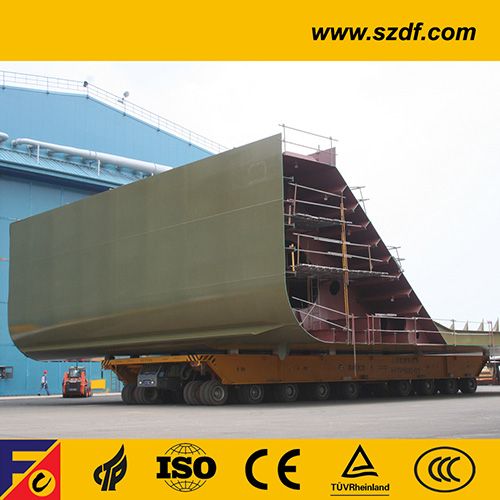
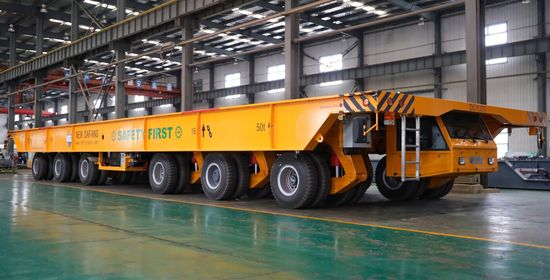
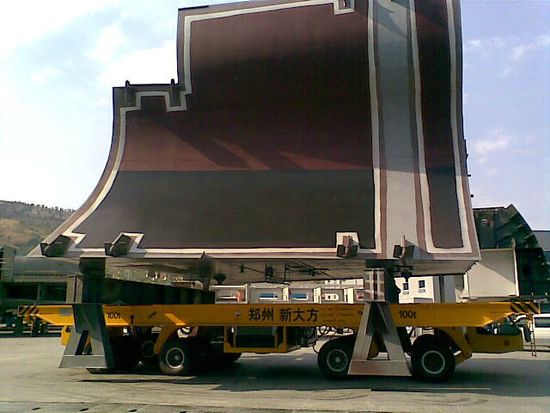
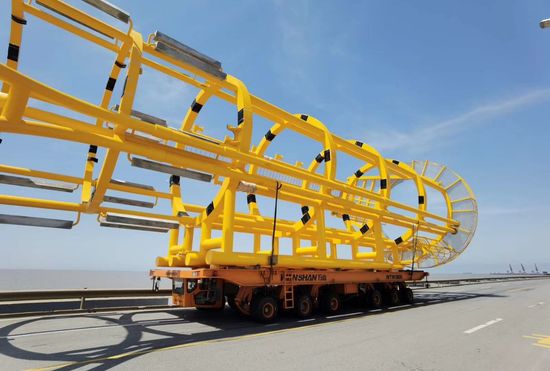
Custom Shipyard Transporter 20 Ton with 360 Dge Steerable

Safe and Reliable Electrical Transporters for Shipyard

Custom Size Heavy Duty Rail Powered Rail Transporter Transport Steel Pipes

I have found results from400+products and200+suppliers aboutShipyard transporter


When selecting a shipyard transporter (often a Self-Propelled Modular Transporter or SPMT), the most critical factor is the Payload Capacity, which can range from 50 to over 1,000 tons. You must verify the Steering Modes (e.g., carousel, crab, or 90-degree steering) to ensure maneuverability in tight shipyard docks. Additionally, check the Suspension Stroke (typically 600mm+) to ensure the vehicle can lift and level heavy hull sections on uneven ground. Ensure the power unit uses Tier 4 or Stage V compliant engines if shipping to regulated markets like the US or EU.
Shipyard transporters must adhere to rigorous international standards. Prioritize suppliers who provide CE Marking for European markets or ANSI/ASME B30.1 compliance for North America. It is essential to request Load Test Certificates and verify that the hydraulic systems feature Anti-Burst Valves to prevent sudden drops in case of hose failure. Furthermore, ensure the Remote Control Systems are industrial-grade with encrypted frequencies to prevent interference in high-activity port environments.
Given the corrosive maritime environment, the chassis must have Marine-Grade Anti-Corrosion Coating (C5-M standard). Inquire about the Availability of Wear Parts such as hydraulic seals, high-pressure hoses, and specialized heavy-duty tires. Professional suppliers should offer a Comprehensive Maintenance Schedule and provide On-site Technical Training for your operators to ensure the longevity of the hydraulic and electronic control systems.
The biggest risks involve Logistical Damage and Technical Non-Conformity. Because these units are Oversized (OOG), they require RORO (Roll-on/Roll-off) or Breakbulk shipping. Ensure the contract specifies Professional Lashing and Waterproofing for the voyage. To mitigate technical risks, always hire a Third-Party Inspection Agency (like SGS or BV) to conduct a 'Fatigue and Load Test' at the factory before the final balance payment is made.
Focus on the Total Cost of Ownership (TCO) rather than just the sticker price. Negotiate for an Extended Warranty (24 months instead of 12) and the inclusion of a 'Critical Spare Parts Kit' valued at 5-10% of the machine cost. For payment, utilize Letters of Credit (L/C) or secure trade terms that link payments to Verified Production Milestones (e.g., 30% deposit, 40% after successful load test, 30% after arrival and commissioning).
Due to the extreme weight, you must confirm the Floor Loading Capacity of the receiving port and the transport route to your shipyard. Ensure the supplier provides the HS Code (typically 8427 or 8709) correctly to avoid customs delays. For smooth clearance, verify if your country has Anti-Dumping Duties on specialized steel structures and ensure all Hydraulic Fluids are drained or certified as non-hazardous for international transit.