SourcingAI

Solar fan caps manufacturers

I have found results from10000+products and7000+suppliers aboutSolar fan caps

Sourcing guidance for Solar Fan Caps

What are the key technical specifications to consider when sourcing solar fan caps?

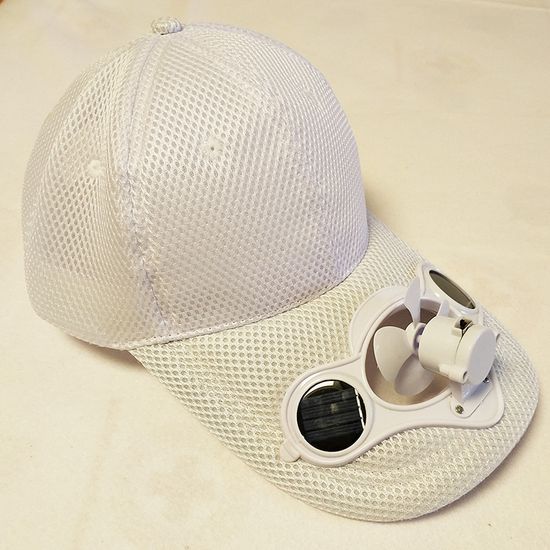
When evaluating solar fan caps, prioritize the Solar Panel Efficiency and Motor Type. Look for monocrystalline silicon panels as they offer higher conversion rates in low-light conditions compared to polycrystalline ones. The fan motor should be a brushless DC motor to ensure a longer lifespan (over 10,000 hours) and lower noise levels. Additionally, check the Battery Capacity (if it's a hybrid model); a minimum of 800mAh to 2000mAh is recommended for consistent airflow when moving into shaded areas.

Which material standards and compliance certifications are necessary for international trade?

For global markets, ensure the product meets CE and RoHS certifications to guarantee electronic safety and the absence of hazardous substances. Since the product is worn on the head, the fabric should comply with REACH (EU) or CPSIA (US) standards for lead and phthalate content. If marketed as sun protection, verify the UPF (Ultraviolet Protection Factor) rating, ideally UPF 50+, through a recognized third-party testing lab like SGS or TUV.

How can I assess the durability and functional design of the fan mechanism?

Focus on the Fan Blade Material and Angle Adjustability. Blades made of soft PVC or EVA foam are safer for users, preventing injury if touched during operation. The fan housing should allow for multi-angle adjustment to direct airflow effectively. Request a salt spray test report for the metal components and a drop test report for the solar panel assembly to ensure the product survives the rigors of outdoor use and shipping.

What are the typical usage scenarios and target markets for this product?

Solar fan caps are ideal for outdoor labor (construction, agriculture), promotional events, and tourism/leisure industries. For B2B buyers, customization is key; ensure the supplier can provide high-quality embroidery or silk-screen printing that does not interfere with the solar panel placement. Markets with high solar irradiance, such as the Middle East, Africa, and Southeast Asia, represent the highest demand sectors.

Cross-Border Procurement Strategy & Risk Management

What are the common risks when importing solar-powered electronics?

The primary risk is battery instability and shipping regulations. Products containing lithium batteries are classified as Dangerous Goods (UN38.3). Ensure your supplier provides a valid MSDS (Material Safety Data Sheet) and UN38.3 Test Report. Failure to provide these will lead to customs seizures or refusal by airlines. Another risk is panel degradation; always request a pre-shipment inspection (PSI) to verify that the solar panels are not cracked or delaminated.

How should I negotiate with suppliers on Made-in-China.com for the best value?

Start by requesting a tiered pricing structure based on volume; for solar fan caps, a 15-20% price drop is common when moving from 500 units to 5,000 units. Negotiate for spare parts (1-2% extra fan motors/blades) to be included in the bulk order to handle minor defects. Use Made-in-China.com's Secured Trading Service to ensure your payment is only released after you confirm the goods meet the agreed-upon quality standards.

What logistics and shipping methods are recommended for this product category?

For small trial orders, Air Express (DHL/FedEx) is fastest but expensive due to battery surcharges. For bulk commercial orders, Sea Freight (FCL or LCL) is the most economical. If shipping to the US or Europe, consider DDP (Delivered Duty Paid) terms if you want the supplier to handle all customs clearances and duties, reducing your operational complexity. Ensure the packaging uses anti-static materials and reinforced corners to protect the solar cells from pressure.

How can I verify the credibility of a solar fan cap manufacturer?

Prioritize Audited Suppliers on Made-in-China.com who have undergone on-site verification by third-party agencies like SGS, Bureau Veritas, or Intertek. Check their Export Percentage—suppliers with over 80% export business are usually more familiar with international quality standards and packaging requirements. Request a video factory tour to inspect their assembly line and QC testing equipment.

Related queries