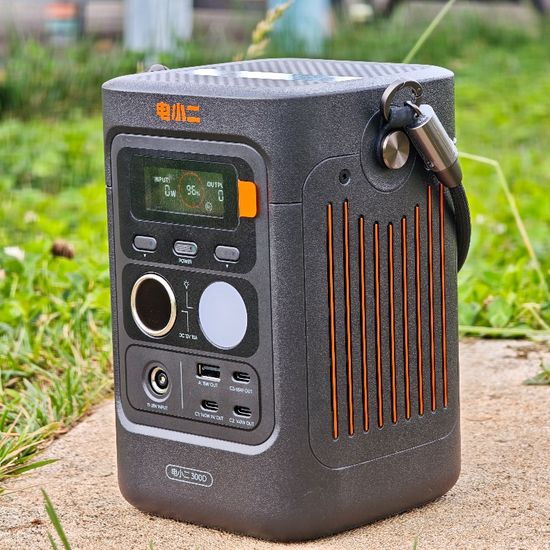
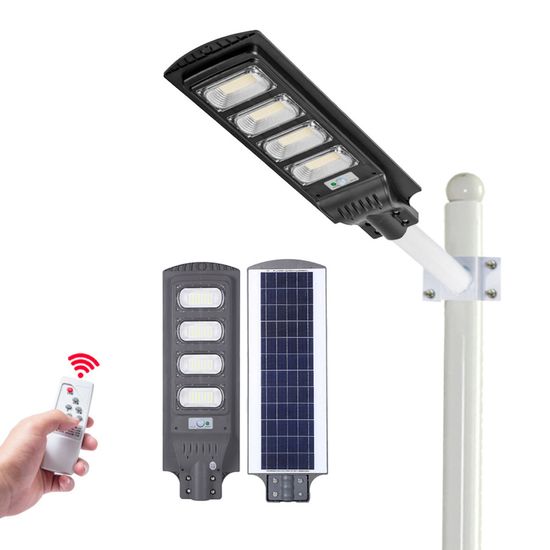
High Quality Factory Production Portable Solar Power Station with Solar Panels for Camping

Manufacturer/Supplier of Solar Mobile Power Station

Hot Selling Series Solar Mobile Power Supply Power Station

I have found results from400+products and200+suppliers aboutSolar power +solar factory


When sourcing solar panels, prioritize Monocrystalline Silicon for higher efficiency (typically 20-22%). For factory-level procurement, ensure panels utilize PERC (Passivated Emitter and Rear Cell) or TOPCon technology to maximize energy yield. For the factory infrastructure, verify the Inverter Efficiency (should be >98%) and the IP65/IP67 rating for outdoor components to ensure weather resistance. If you are setting up a production line, check the Automation Level of the stringer and laminator machines to ensure consistent output quality.
To ensure global market access and safety, products must adhere to IEC 61215 (terrestrial PV modules design qualification) and IEC 61730 (safety qualification). For the North American market, UL 1703 or UL 61730 certification is essential. Additionally, ensure the manufacturer provides CE marking for Europe and RoHS compliance to certify the absence of hazardous substances in the solar cells and frames.
Request a Linear Performance Warranty, which typically guarantees at least 80% power output after 25 years. You should also ask for EL (Electroluminescence) Test Reports to check for micro-cracks that are invisible to the naked eye. For large-scale factory setups, evaluate the supplier's Tier 1 status (as defined by BloombergNEF) which indicates financial stability and bankability for large-scale projects.
Solar systems are categorized into On-Grid (utility-scale), Off-Grid (remote areas), and Hybrid systems (with battery storage). For a 'Solar Factory' setup, ensure the system is Modular and Scalable, allowing for the addition of more PV arrays or BESS (Battery Energy Storage Systems) as energy demands grow. High-capacity factories should integrate Smart Monitoring Systems to track real-time energy production and consumption via IoT platforms.
The biggest risks include Anti-Dumping Duties (AD/CVD) and Quality Degradation during transit. To mitigate these, always use Made-in-China.com's Secured Trading Services to protect your payment until the goods pass inspection. Conduct a Pre-shipment Inspection (PSI) by a third party like SGS or Intertek to verify that the technical specs match the proforma invoice before the container is sealed.
Negotiate based on Price per Watt ($/W) rather than price per panel. For factory equipment, aim for a Progressive Payment Structure (e.g., 30% deposit, 60% after successful FAT/Factory Acceptance Test, 10% after installation). Leverage Volume Discounts; for orders exceeding 1MW, you can typically negotiate a 5-10% reduction in unit costs compared to smaller commercial batches.
Solar panels are fragile and sensitive to pressure. Ensure the supplier uses Vertical Pallet Packaging with reinforced corner protectors to prevent micro-cracks caused by stacking. Specify FOB (Free On Board) terms if you have a reliable freight forwarder experienced in handling sensitive electronics, and ensure the cargo is covered by All-Risk Marine Insurance to protect against breakage during sea transit.
Stay updated on Section 201 and 301 tariffs for the US market or the Carbon Border Adjustment Mechanism (CBAM) for the EU. Ensure your supplier provides a Certificate of Origin to determine the applicable tariff rates. Working with verified suppliers on Made-in-China.com who have experience in your specific target market can help navigate these complex regulatory landscapes efficiently.