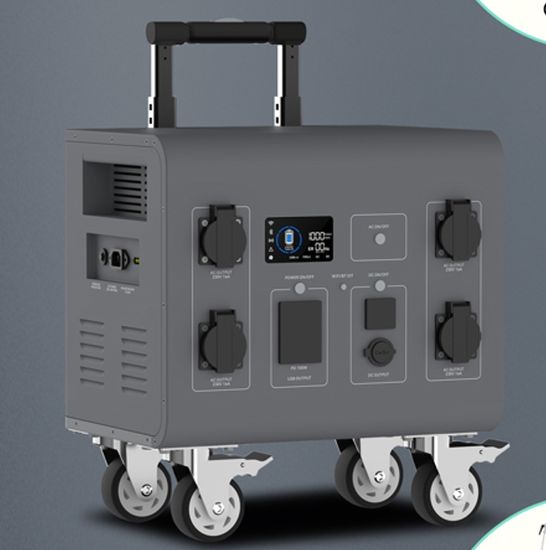
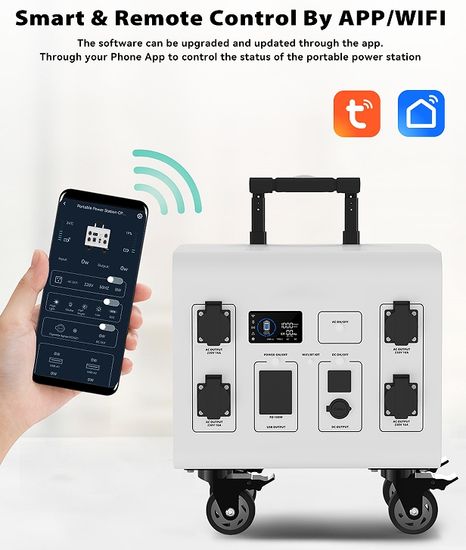
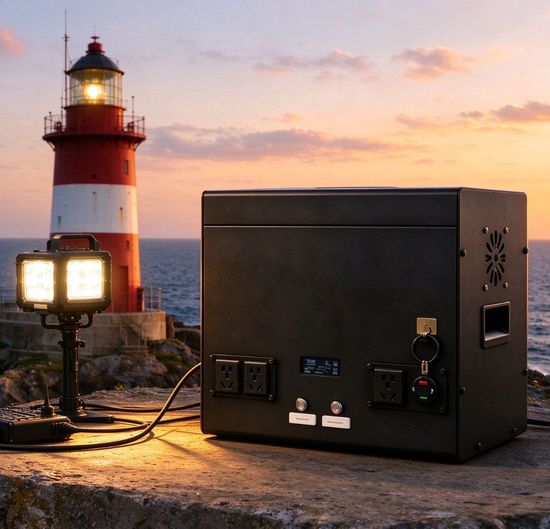
Ultimate Portable Power Station with Solar Charging Panel

Portable Power Station with Solar Inverter System

60W Portable Power Station for Camping and Outdoor Adventures

I have found results from400+products and200+suppliers aboutSolar powered appliances


When evaluating solar appliances, you must prioritize Energy Efficiency Ratios (EER) and DC Compressor quality (for refrigeration). Ensure the appliances are designed for native DC operation (12V/24V) to avoid energy loss through inverters. For solar air conditioners, look for Full DC Inverter technology and a SEER rating above 20. Additionally, verify the battery management system (BMS) compatibility to ensure the appliance can handle voltage fluctuations common in solar circuits.
Compliance is critical for market entry and safety. For the US market, look for UL 1741 (inverters/controllers) and Energy Star ratings. For the EU, CE marking, RoHS, and ErP (Energy-related Products) directives are mandatory. Globally, IEC 62257 standards for rural electrification and ISO 9001 for manufacturing quality management are the gold standards. Always request valid test reports from accredited third-party labs like TUV or SGS.
Calculate the Total Cost of Ownership (TCO) over a 5-10 year period. While solar appliances have a higher upfront CAPEX (Capital Expenditure), the OPEX (Operating Expenditure) is near zero. Factor in the avoided cost of grid infrastructure and potential government tax incentives or carbon credits. For bulk buyers, a payback period of 2-4 years is typically considered a high-performance investment in the renewable sector.
Solar appliances excel in off-grid locations, disaster relief zones, and remote hospitality projects (eco-resorts). They are also increasingly used in mobile businesses (food trucks, medical vans) and agricultural cold chains. For urban B2B buyers, they serve as emergency backup systems during grid instability, ensuring that critical functions like refrigeration or lighting remain operational.
The biggest risks include shipping damage to fragile solar panels, battery chemistry restrictions (Lithium batteries are classified as Class 9 Dangerous Goods), and customs seizure due to lack of proper energy efficiency labeling. To mitigate this, ensure the supplier uses reinforced honeycomb packaging and provides a Material Safety Data Sheet (MSDS) and UN38.3 report for all battery-integrated units.
Focus on component transparency. Ask for the specific brands of the solar cells (e.g., Longi, Jinko) and compressors (e.g., GMCC, Danfoss) used inside the appliances. Negotiate a staggered payment term (e.g., 30% deposit, 70% after third-party pre-shipment inspection). For large orders, request a 1-2% spare parts kit (controllers, fans, sensors) to be included at no extra cost to handle local maintenance.
Use FOB (Free On Board) terms to maintain control over the freight forwarder, especially for hazardous materials like batteries. Ensure the bill of lading clearly states the HS Codes (e.g., 8501.31 for motors/generators or 8418.69 for solar fridges) to avoid tariff misclassification. For African or Middle Eastern markets, verify if a Pre-Export Verification of Conformity (PVoC) or SABER certificate is required before the vessel departs.
Utilize Secured Trading Services on Made-in-China.com to protect your funds until delivery. Always hire a third-party inspector to perform a Functionality Test (running the appliance under solar load) and a Hi-Pot Test (electrical insulation safety) before the balance payment is made. Avoid suppliers who cannot provide a minimum 2-year warranty on the main unit and a 5-year warranty on the solar components.