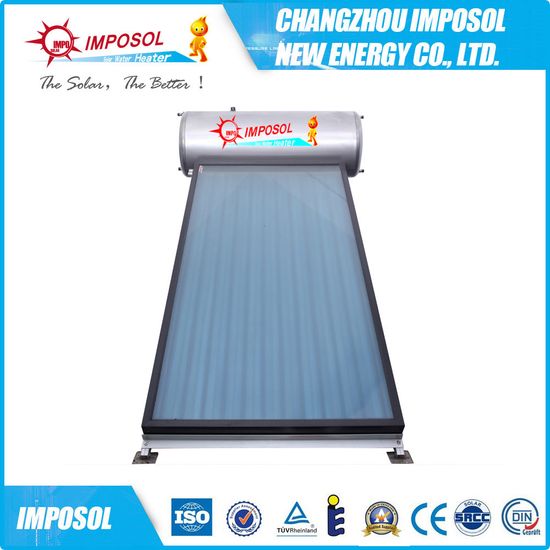
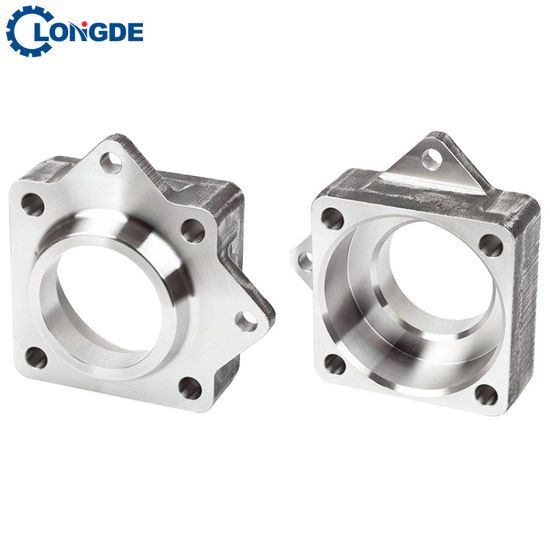
Stainless Steel Compact Pressurized Heat Pipe Solar Energy Water Heater Solar Collector Vacuum Tubes Solar Spare Parts Booster Pump

Solar Water Heater Spare Parts/Accessories---Electric Backup Heater Decoration Cap

I have found results from400+products and200+suppliers aboutSolar spare parts


When procuring solar spare parts, you must prioritize technical compatibility and material durability. For Solar Inverters, ensure the input voltage range and efficiency ratings (98%+) match your existing system. For Solar Connectors (MC4), verify they use PPO insulation material and have an IP68 waterproof rating. If sourcing Solar Mounting Brackets, prioritize Anodized Aluminum (AL6005-T5) or Hot-Dip Galvanized Steel to ensure a corrosion resistance life of 25+ years.
Compliance is non-negotiable for safety and grid connection. Ensure all parts meet IEC 61215 for terrestrial PV modules and IEC 61730 for safety qualifications. For the North American market, UL 1703 or UL 1741 certifications are required. In the EU, look for the CE mark and TUV Rheinland certification, which guarantee that the spare parts meet rigorous quality and safety benchmarks.
Request EL (Electroluminescence) test reports for cells to detect micro-cracks and Salt Mist Corrosion testing for parts intended for coastal areas. For electronic components like Charge Controllers, ask for MTBF (Mean Time Between Failures) data. It is highly recommended to source from suppliers on Made-in-China.com who offer third-party factory audits to verify their R&D capabilities and quality control processes.
Solar spare parts are used in Residential Rooftops, Commercial PV Plants, and Off-grid Systems. Maintenance-heavy parts like DC Isolator Switches should be tested for mechanical life (10,000+ cycles). Ensure that spare parts like Bypass Diodes are easily accessible within the junction box to facilitate rapid field repairs and minimize system downtime.
The primary risks include substandard material substitution and damage during transit. To mitigate this, use Trade Assurance services provided by platforms like Made-in-China.com to protect your payment. Always specify Anti-UV packaging for plastic components and Reinforced Wooden Crates for fragile items like glass-based sensors or panels to prevent micro-fractures during sea freight.
Focus on Tier-1 component sourcing transparency. Ask the supplier to list the brand of raw materials (e.g., DuPont Tedlar backsheets). For bulk orders, negotiate a progressive discount structure (e.g., 5-10% off for 20ft container loads) and insist on a 1-3% spare parts allowance (extra fuses, connectors, or clamps) included in the total price to cover potential installation breakage.
Solar spare parts often fall under specific HS Codes (e.g., 8541.43). Be aware of Anti-Dumping Duties (AD/CVD) that may apply in certain regions like the US or EU. Ensure the supplier provides a Certificate of Origin (CO) to benefit from Free Trade Agreements. For urgent repairs, utilize Air Freight for lightweight components like PCBA boards, but use LCL/FCL Sea Freight for heavy mounting structures to maintain economic feasibility.
Never transfer funds to personal accounts; always use verified corporate accounts listed on Made-in-China.com. Define a clear Warranty Claim Procedure in the contract, specifying that the supplier must provide replacements within 15 days for defective units. Requesting a Pre-shipment Inspection (PSI) by companies like SGS or Intertek is the most effective way to ensure the goods match the Proforma Invoice (PI) specifications.