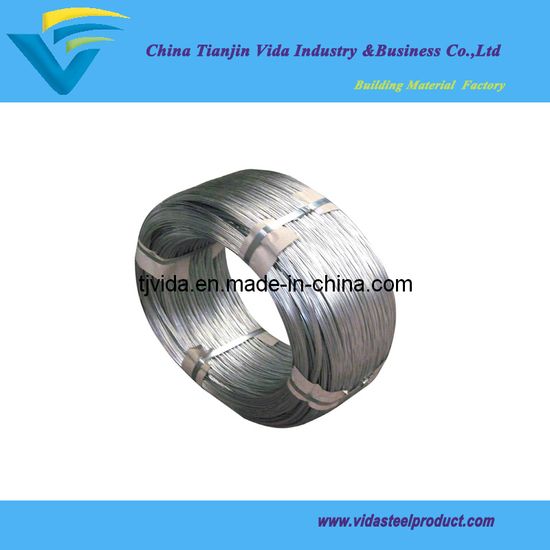
0.20mm Medical Grade Pure Titanium Thin Wire for Surgical Stapler Pin Manufacturing

Medical Grade Titanium Fine Wire Gr2 Gr3 for Surgical Stapler Manufacturing

Medical Pure Titanium Wire Super Fine Surgical Titanium Material for Stapler

I have found results from400+products and200+suppliers aboutStapler wire


When evaluating stapler wire, the most critical factors are wire gauge (thickness), tensile strength, and crown width. For standard office use, 26/6 or 24/6 are the industry benchmarks. You must ensure the tensile strength is between 600-1100 N/mm² to prevent buckling during high-speed penetration. Additionally, verify the glue consistency; the adhesive holding the strips together must be strong enough to prevent premature breaking in the box but brittle enough to shear cleanly during stapling.
Most stapler wires are made of galvanized steel or copper-coated steel. Galvanization is essential for corrosion resistance, especially for products stored in humid environments or used for long-term archiving. For heavy-duty or industrial applications, look for high-carbon steel options which provide superior penetration for thick stacks of paper or corrugated cardboard. Ensure the coating is smooth and uniform to reduce friction and prevent jamming within the stapler head.
Buyers should prioritize suppliers who adhere to ISO 9001 for quality management systems. For specific markets, check for REACH or RoHS compliance to ensure the wire coatings do not contain hazardous heavy metals like lead or cadmium. It is also advisable to request a Salt Spray Test report (typically 24-48 hours) to validate the anti-rust capabilities of the galvanized layer, ensuring the product remains shelf-stable for at least 2-3 years.
Compatibility is determined by the leg length and crown width. Standard office staplers require a 6mm leg length, while heavy-duty industrial staplers may require 8mm to 23mm. Always request technical drawings from the supplier to confirm the tolerance levels (usually ±0.02mm). If you are sourcing for a specific brand of automated stapling machinery, it is highly recommended to send a sample of the machine's magazine to the manufacturer for fitment testing before placing a bulk order.
The biggest risks are oxidation (rusting) during sea transit and packaging collapse due to the high density/weight of the product. To mitigate this, insist on vacuum-sealed plastic inner packaging and reinforced 5-layer corrugated export cartons. Since wire is heavy, ensure the palletization is secure to prevent shifting, which can damage the delicate wire strips and lead to high defect rates upon arrival.
Focus on volume-based pricing tiers. Stapler wire is a high-volume, low-margin commodity; a 5% price difference can be achieved by increasing the order from a 20ft container to a 40ft container. Negotiate for OEM packaging (custom branding) to be included in the unit price for orders exceeding 5,000 boxes. Additionally, ask for a 0.5% - 1% spare parts allowance or extra strips to account for potential transit breakage.
Given the weight-to-volume ratio, Sea Freight (FOB or CIF) is the most economical method. For payment, use Trade Assurance or Escrow services provided by platforms like Made-in-China.com to ensure funds are only released after the Bill of Lading (B/L) is verified. Always conduct a Pre-Shipment Inspection (PSI) to check for wire alignment and rust before the final balance is paid.