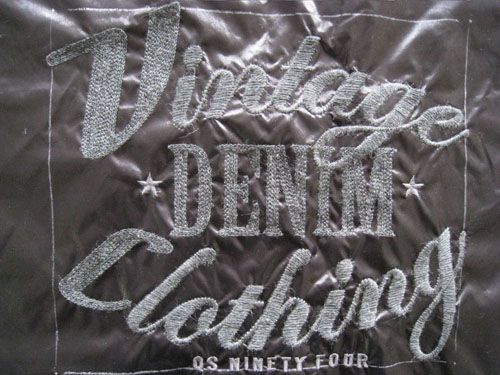
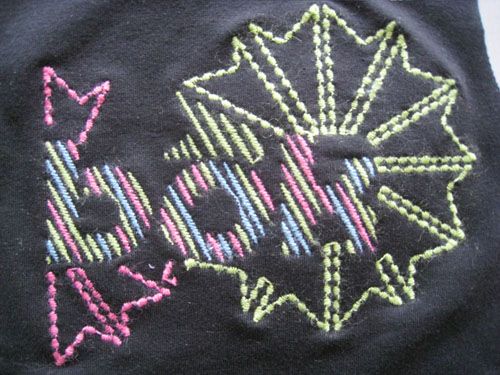
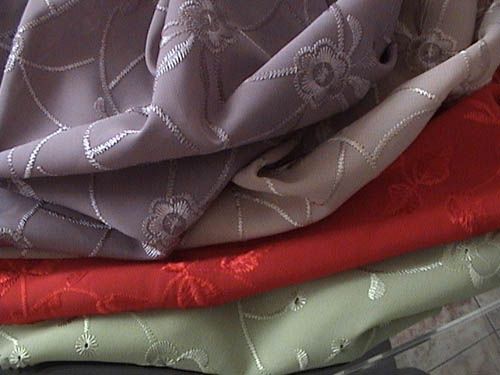
China Customize Embroidery

Embroidery

Embroidery (3)

Embroidery (4)

Embroidery (1)

Embroidery (2)

Customized Colorful Patch Garment Accessory Label Embroidery

I have found results from1000+products and500+suppliers aboutSuzhou embroidery price


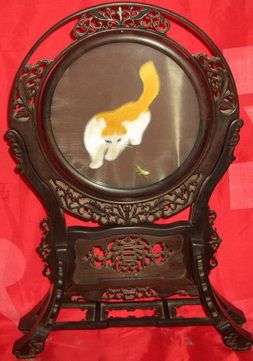
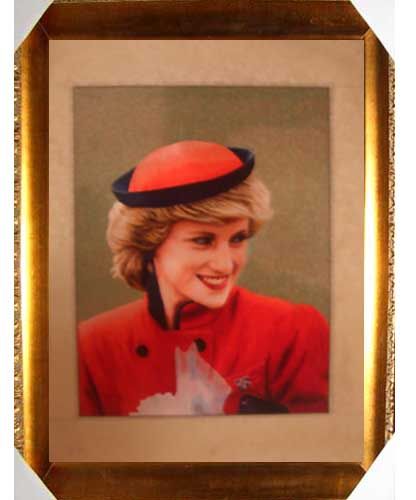
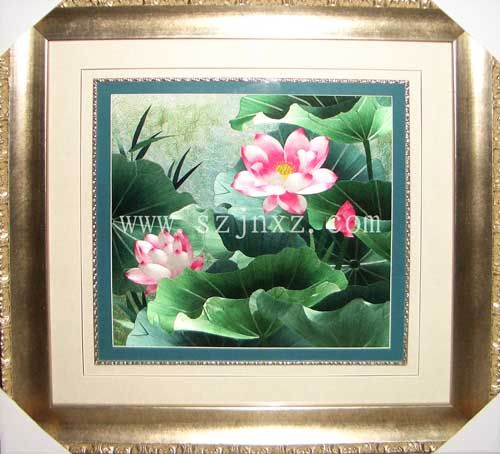
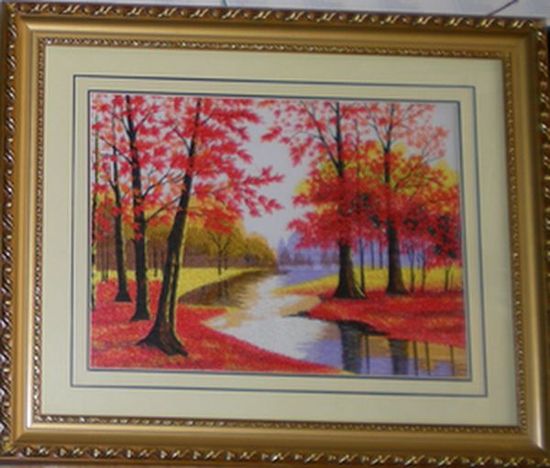
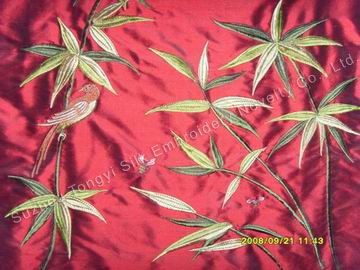
The price of Suzhou Embroidery is primarily determined by stitch density, complexity, and the artist's skill level. For commercial sourcing, you must distinguish between Hand-Embroidered (High Value) and Machine-Embroidered (Mass Market) products. Key indicators include thread fineness (splitting a single silk thread into 2, 16, or even 48 strands) and the smoothness of the surface. High-end pieces should feature invisible thread ends and a natural color transition (halftone) that mimics a painting.
Ensure the base fabric is 100% natural mulberry silk or high-grade satin, as synthetic blends affect the luster and longevity. The embroidery thread must be pure silk thread to ensure a soft sheen that changes with light angles. For framing, verify the use of acid-free mounting materials and non-reflective glass to prevent fading and moisture damage during long-term display or storage.
Buyers should request a Certificate of Authenticity issued by recognized arts and crafts associations in Suzhou. For large-scale decor projects, ensure the wood used in frames complies with ISPM 15 (Fumigation standards) for international shipping. If the embroidery depicts protected flora or fauna, ensure it does not violate CITES regulations, although most traditional motifs (birds, flowers, landscapes) are standard.
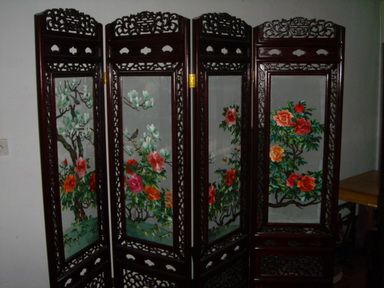
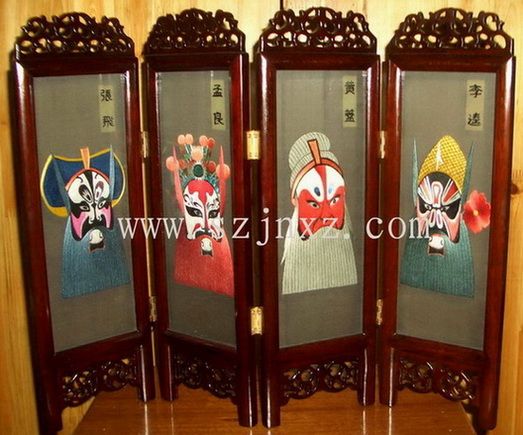
Double-sided embroidery (Shuang Mian Xiu) is a premium category where the image is identical on both sides with no visible knots. This requires highly skilled artisans and significantly increases labor costs. Double-sided embroidery with different images or colors on each side represents the pinnacle of the craft and commands the highest price points, often used for luxury corporate gifts or high-end interior partitions.
The most significant risk is misrepresentation of machine-made goods as handmade. Machine embroidery lacks the depth and 'soul' of handwork and has a much lower resale value. To mitigate this, use Made-in-China.com's Secured Trading services and request close-up high-definition videos of the stitching process. Another risk is fragility during transit; silk is sensitive to humidity and frames are prone to breakage.
Focus negotiations on lead times and artist certification rather than just unit price. Authentic hand embroidery is time-consuming; a 30x30cm piece may take 3-4 weeks. If a supplier promises high-volume handwork in a few days, it is likely machine-made. Negotiate for tiered pricing based on the 'split-thread' count—the finer the thread, the higher the price.
For international logistics, products should be vacuum-sealed or packed with silica gel desiccant to prevent mold growth caused by sea-freight humidity. Frames must be protected with custom wooden crates and multi-layer pearl cotton padding. For high-value masterpieces, it is recommended to ship the embroidery silk core separately (rolled in a tube) and have it framed locally to reduce shipping costs and breakage risks.
Always conduct transactions through verified suppliers on Made-in-China.com who have undergone on-site audits. Utilize Escrow payment terms where funds are only released upon confirmation of the quality inspection. For orders exceeding $5,000, hiring a third-party inspection agency (like SGS or Intertek) to verify the hand-made nature before final payment is a standard industry safeguard.