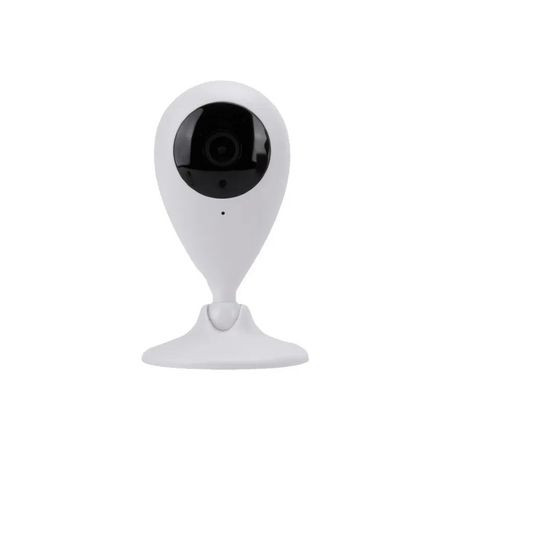
Rugged Vehicle Dual Sensor Thermal PTZ Camera for Effective Surveillance

Thermal Dome PTZ: Reliable Surveillance for Any Weather Condition

Thermal PTZ Camera with Multi Sensor for Comprehensive Coverage

I have found results from400+products and200+suppliers aboutThermal camouflage


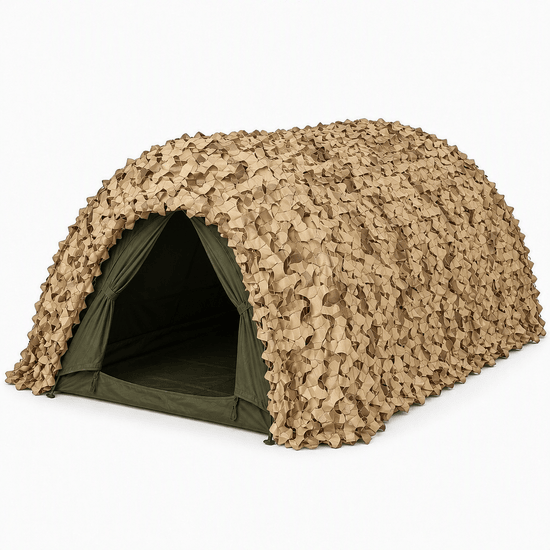
Buyers should prioritize emissivity control and thermal inertia. High-quality thermal camouflage must effectively match the background radiation temperature to minimize the thermal contrast detected by infrared sensors (typically in the 3-5μm and 8-14μm bands). Ensure the material features multi-spectral suppression capabilities, covering both thermal infrared and near-infrared (NIR) to prevent detection by night-vision devices.
The choice depends on whether the application is static (tents, equipment covers) or dynamic (individual uniforms, vehicle wraps). For individual gear, breathability and flexibility are critical to prevent heat buildup from the wearer, which could create a 'hot spot.' For vehicle or structural protection, look for radar-absorbing properties (stealth) and weather resistance (UV and waterproof) to ensure long-term outdoor durability.
Suppliers should ideally hold ISO 9001 for quality management and provide third-party lab reports verifying the thermal suppression efficiency. For textile-based camouflage, check for flame retardancy standards (e.g., EN ISO 11612) and colorfastness to ensure the visual pattern does not degrade, as visual concealment must work in tandem with thermal concealment.
Advanced materials should offer low thermal conductivity to block heat transfer. Look for multi-layered composite structures that incorporate a metallic or specialized polymer layer for reflection and an insulating layer for absorption. Additionally, the material should be lightweight to ensure it does not hinder the mobility of personnel or the deployment speed of equipment.
Thermal camouflage is often classified as dual-use technology. You must verify if the specific product falls under export control lists in the supplier's country or import restrictions in your own. Always request the HS Code (typically under Chapter 59 or 63 for textiles) and consult with a customs broker to ensure all export licenses are secured before shipment to avoid seizure.
Request a live video demonstration using a calibrated thermal imaging camera (FLIR) to see the material in action against different temperature backgrounds. Furthermore, sourcing through reputable platforms like Made-in-China.com allows you to select Audited Suppliers who have undergone on-site verification of their manufacturing capabilities and business legitimacy.
Negotiate based on material composition and durability cycles. Since high-performance coatings can be expensive, ask for tiered pricing based on the square meterage. To ensure quality, implement a pre-shipment inspection (PSI) where a third party tests random samples for emissivity consistency across the entire batch, ensuring no 'leaks' in thermal protection.
Thermal camouflage materials can be sensitive to extreme pressure or folding, which might damage the specialized coatings. Use vacuum packaging or rolled tubes for shipping. For international logistics, sea freight with moisture-controlled containers is recommended for bulk, while air freight is better for high-value, low-volume samples to minimize transit time and environmental exposure.