Clinical Thermal Imaging Camera for Non-Invasive Body Temperature Monitoring

Clinical Thermal Imaging Camera for Non-Invasive Body Temperature Assessment

Clinical Thermal Imaging Camera for Innovative Health Diagnostics Solutions

I have found results from500+products and200+suppliers aboutThermal imaging medical


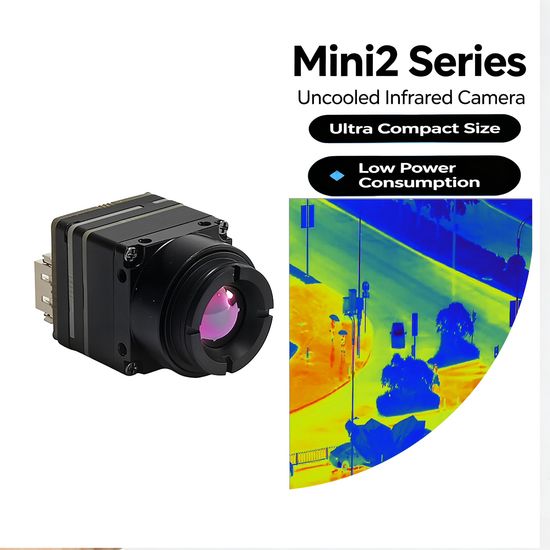
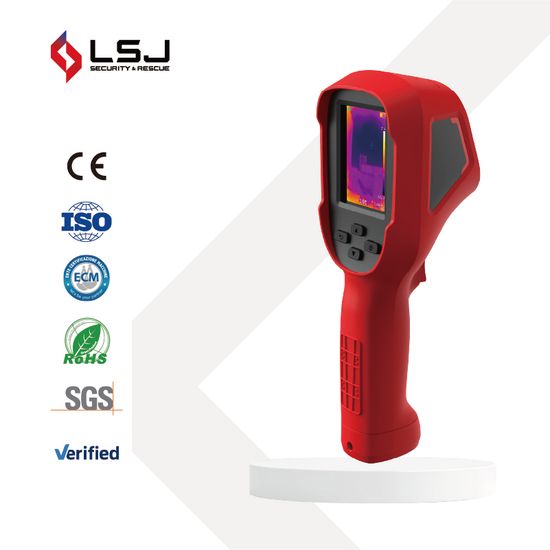
When sourcing medical-grade thermal cameras, the most critical factor is Thermal Sensitivity (NETD); for medical diagnostics, an NETD of <50mK is preferred to detect subtle physiological temperature changes. You must also verify the Spatial Resolution (at least 320x240 pixels) and Measurement Accuracy, which should ideally be ±0.3°C or better when used with a Blackbody calibrator. Ensure the device supports multi-point temperature measurement and real-time image fusion (thermal and visible light) for precise anatomical localization.
As these are medical devices, they must adhere to strict regulatory frameworks. Ensure the supplier provides ISO 13485 certification for medical device quality management. For specific markets, products must have CE MDR (Medical Device Regulation) for Europe or FDA 510(k) clearance for the United States. Additionally, compliance with IEC 80601-2-59 (particular requirements for the basic safety and essential performance of screening thermographs for human febrile temperature screening) is essential for clinical credibility.
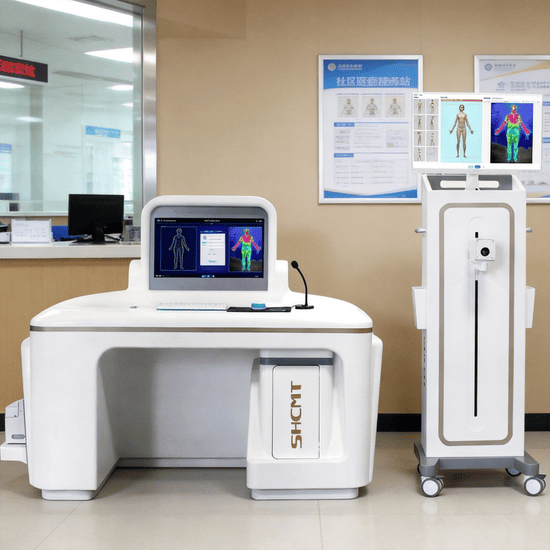
Medical thermal imaging is highly versatile, used primarily for fever screening in high-traffic areas, vascular disease assessment, inflammation detection, and breast health monitoring. It is also increasingly used in rehabilitation and sports medicine to track muscle recovery. Buyers should choose models with software optimized for these specific applications, such as automatic alarm triggers for abnormal temperatures and DICOM compatibility for integration into hospital PACS systems.
A Blackbody is a constant temperature reference source used to calibrate the camera in real-time. While it increases the initial procurement cost by 20-30%, it is indispensable for medical applications to maintain an accuracy of ±0.3°C. Without a blackbody, environmental fluctuations can lead to false readings. For professional medical environments, always source the camera and blackbody as a synchronized bundle to ensure technical compatibility.
Always perform a document authenticity check. Request the supplier's Business License and Medical Device Production License. Verify their CE or FDA certificates through official government databases. On Made-in-China.com, prioritize Audited Suppliers who have undergone third-party onsite inspections by SGS or TÜV Rheinland to ensure the factory's claims match their actual production capacity.
Focus negotiations on After-Sales Technical Support and Software Updates rather than just the unit price. Medical software requires periodic patches; ensure the contract includes free software upgrades for at least 2 years. For bulk orders, negotiate a tiered pricing structure where a 15-20% discount is applied once volume exceeds 50 units, and request a 2% spare parts kit (cables, mounts) to be included at no extra cost.
Thermal sensors are highly sensitive to vibration and extreme temperatures. Insist on Double-Walled Corrugated Packaging with Anti-Static EPE Foam inserts. Use Air Freight (e.g., DHL, FedEx) for medical electronics to minimize transit time and handling. Ensure the shipment is marked as 'Fragile: Precision Instrument' and purchase Full Cargo Insurance covering the total invoice value plus 10% to protect against transit damage.
Utilize Secure Payment Services provided by reputable B2B platforms like Made-in-China.com to ensure funds are only released after the bill of lading is confirmed. Avoid direct wire transfers to private accounts. For large orders, consider a Letter of Credit (L/C) or a 30% deposit / 70% balance payment structure after a Pre-shipment Inspection (PSI) by a third party to verify the goods meet your technical specifications.