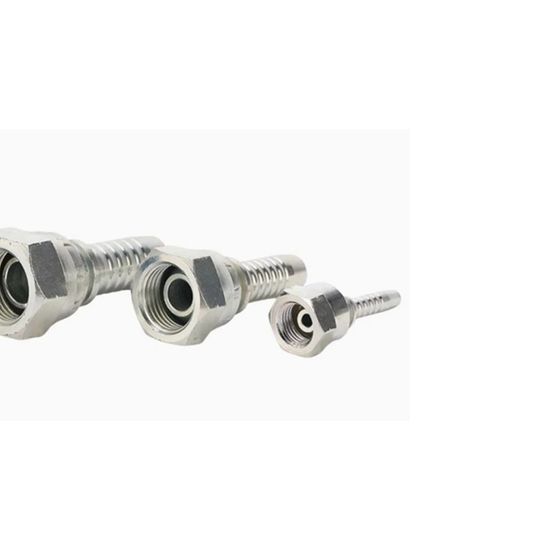
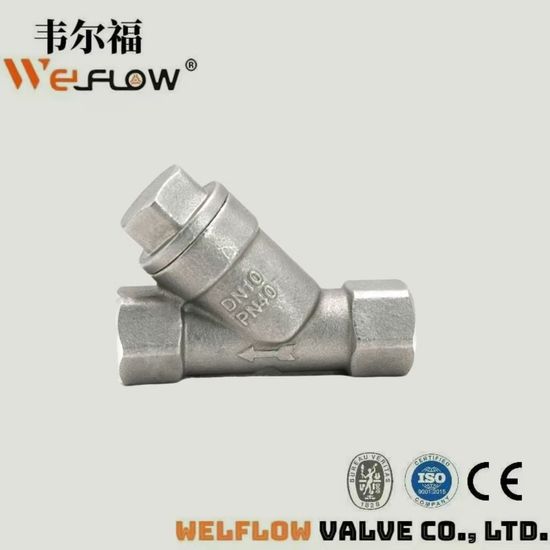
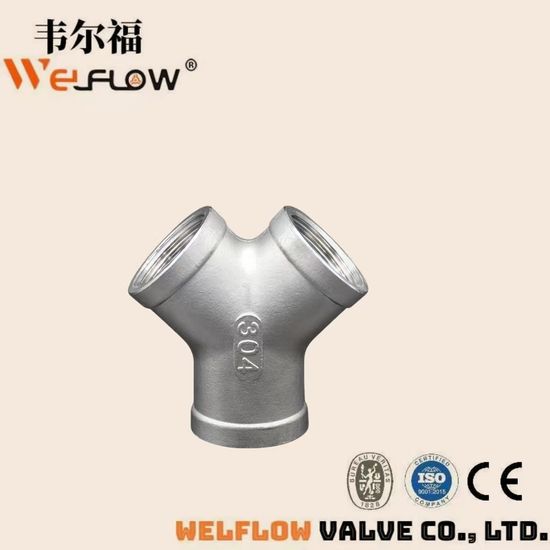
Tiger Connector Duct PU Phenolic HVAC Insulated Ductwork Systems Installation Fittings

Metal Tiger Connector Pre-Insulated Duct Fittings for Reinforcing PU PIR Duct

Spiral Ductwork Components – Elbows, Reducers, Tee Joints, Wye Branch Fittings

I have found results from400+products and200+suppliers aboutTiger fitting price


When sourcing Tiger Fittings (industrial pipe connectors), the price is primarily driven by material grade (e.g., ASTM A105 carbon steel or SS304/316 stainless steel) and pressure ratings (e.g., 2000lb, 3000lb, or 6000lb). You must ensure the fittings meet ASME B16.11 standards for forged fittings or ANSI/ASME B1.20.1 for threading. Higher precision in NPT or BSPT threading will increase the unit cost but significantly reduce the risk of leakage in high-pressure systems.
Compliance is a non-negotiable factor that influences pricing. Products certified under ISO 9001:2015 and PED (Pressure Equipment Directive) for the European market often command a premium. For oil and gas applications, verify if the fittings meet NACE MR0175/ISO 15156 standards for sour gas environments. Investing in certified and traceable materials (MTR - Mill Test Reports) prevents costly project delays and legal liabilities during safety audits.
Buyers should request hydrostatic pressure test reports and spectrometer material analysis to confirm the chemical composition of the alloy. For 'Tiger' style heavy-duty fittings, check the surface treatment quality, such as hot-dip galvanizing or electro-zinc plating, which should withstand at least 96 hours of salt spray testing to ensure long-term corrosion resistance in outdoor or marine environments.
To maximize ROI, focus on Total Cost of Ownership (TCO) rather than just the sticker price. Negotiate tiered pricing where a 20% increase in volume might yield a 10-15% reduction in unit cost. Additionally, sourcing from suppliers on Made-in-China.com who offer OEM/ODM customization can reduce costs by integrating specific features into a single fitting, thereby reducing the total number of joints and potential failure points in your piping system.
The primary risks include material substitution (using lower-grade scrap metal) and dimensional inaccuracies. To mitigate this, always use third-party inspection services (like SGS or Intertek) to perform random sampling before the final balance payment is made. Ensure the Bill of Lading (B/L) matches the packing list exactly to avoid customs clearance issues.
Utilize Trade Assurance or Secure Payment services provided by reputable platforms like Made-in-China.com. When negotiating, insist on Incoterms 2020 definitions (e.g., FOB or CIF) to clearly define the point of risk transfer. Never wire full payments to personal bank accounts; always use verified corporate accounts that match the supplier's registered business license.
Due to the high weight-to-volume ratio of Tiger Fittings, Sea Freight (LCL for small batches, FCL for large orders) is the most economical method. For urgent replacements, Air Freight is viable but can exceed the product value. Ensure the supplier uses fumigated wooden crates or reinforced steel-strapped pallets to prevent shifting and damage during transit across international waters.