LABSA 96% 90% Wholesale Sulfonic Acid Top 10 LABSA

LABSA Benzene Sulfonic Acid Top 10 LABSA96% Wholesale

Industry Standard Top 10 Sulfoic Acid LABSA 96% High Active LABSA 96%

Top Grade LABSA 90% Free Sample Organic Chemical LABSA

I have found results from400+products and200+suppliers aboutTop 10 labsa


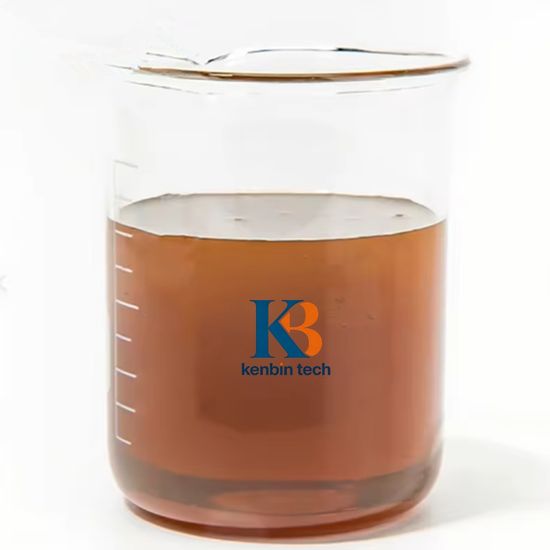
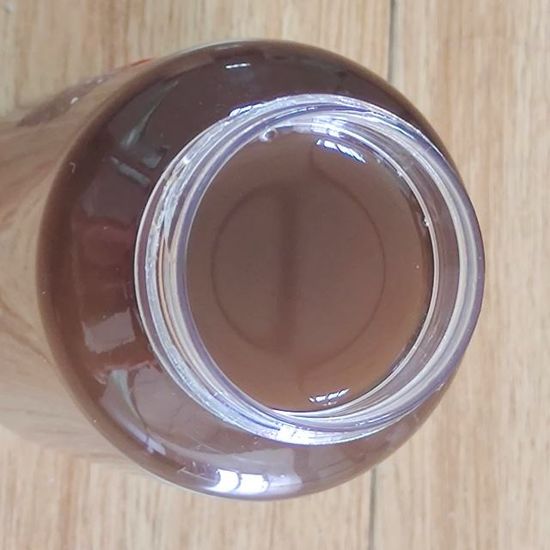
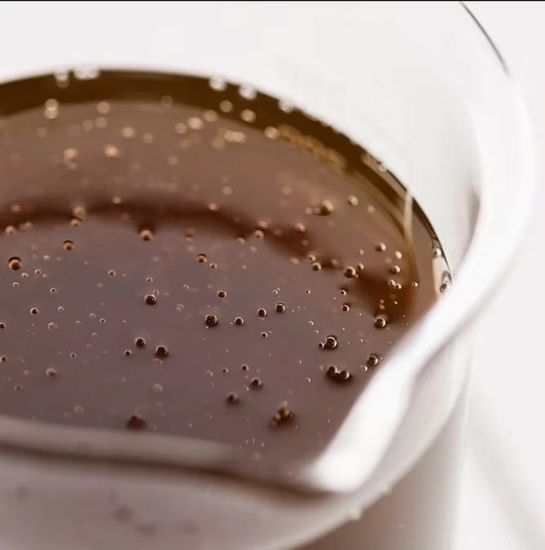
When evaluating LABSA, the most critical factor is the Active Matter content, which should ideally be 96% or higher. You must also check the Free Oil (Unsulfonated Matter) content, which should be below 2% to ensure product stability, and the Free Sulfuric Acid content, which should be less than 1.5%. Additionally, the color (Klett scale) is vital; a lower Klett value (typically <30) indicates a higher purity and better suitability for light-colored or transparent liquid detergents.
Ensure the supplier provides a Material Safety Data Sheet (MSDS) and a Certificate of Analysis (COA) for every batch. For global trade, the product must comply with REACH regulations (for the EU market) and be verified for biodegradability, as LABSA is preferred in the industry for its aerobic biodegradability. Check if the manufacturer holds ISO 9001 (Quality Management) and ISO 14001 (Environmental Management) certifications to guarantee sustainable and standardized production processes.
LABSA is a versatile surfactant primarily used in the formulation of household detergents, including washing powders, laundry liquids, and dishwashing detergents. It is also widely used in industrial cleaners, textile processing as a mercerizing and washing agent, and in the agricultural sector as a coupling agent for pesticides. Its high efficiency in removing oily stains makes it a staple in commercial laundry and car wash chemicals.
Purchasing 96% high-concentration LABSA is generally more cost-effective for cross-border trade because it reduces shipping costs per unit of active ingredient. While lower concentrations may have a lower sticker price, the Total Cost of Ownership (TCO) increases due to higher logistics and storage expenses. Buyers should calculate the cost per kilogram of active matter rather than the gross weight price to determine the true economic value.
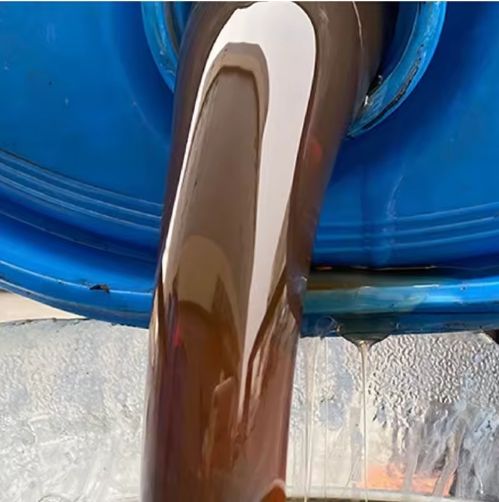
LABSA is a corrosive substance (Class 8 Hazardous Material) and must be packed in UN-approved plastic drums (usually 210kg or 225kg) or IBC tanks (1000kg). For bulk shipments, Flexitanks can be used to optimize space. Ensure the supplier provides proper hazardous goods labeling and a Dangerous Goods (DG) Declaration to avoid port rejections or heavy fines during customs clearance.
To ensure transaction security, use Trade Assurance services or Letters of Credit (L/C) for large volumes. It is highly recommended to source through reputable platforms like Made-in-China.com, where you can verify the supplier's 'Audited Supplier' status. Always request a pre-shipment inspection (PSI) by a third party like SGS or Intertek to verify the active matter percentage and weight before the final payment is released.
LABSA prices are closely tied to the cost of raw materials like Linear Alkyl Benzene (LAB) and Sulfur, which fluctuate with crude oil prices. Negotiate based on formula-based pricing or lock in rates for long-term contracts (6-12 months) to avoid spot market volatility. For bulk orders exceeding 20 metric tons (one 20ft container), aim for a 5-8% volume discount compared to LCL (Less than Container Load) pricing.
Check the HS Code (typically 3402.11 or 3402.31) against your country's tariff schedule to identify Anti-Dumping Duties (ADD), which are common for chemical products in certain regions. Ensure all import licenses for hazardous chemicals are active in your destination country before the vessel departs to prevent demurrage charges at the port.