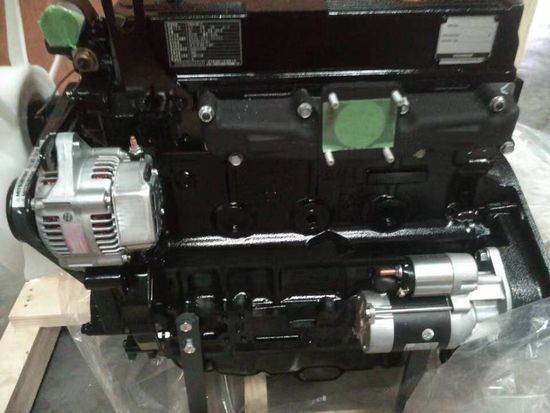
Used Lawn Mower Engines for Wholesale Equipment Resellers

Rotary Mower Equipment for Agricultural Grass Cutting and Field Maintenance

9gn-1.2-2.1 Series Lawn Mower for Sale

I have found results from10000+products and4000+suppliers aboutUsed lawn mower engine


Buyers must prioritize the Engine Displacement (cc) and Horsepower (HP) to ensure compatibility with the intended mower deck. It is critical to verify the Crankshaft Orientation (Vertical vs. Horizontal) and Crankshaft Diameter/Length, as these are non-negotiable for fitment. Additionally, request the Compression Test Results to gauge internal engine health; a healthy used engine should typically maintain above 90-100 PSI.
Request a Live Start-up Video or a Testing Report that includes the engine's serial number. Look for signs of Oil Leaks around the head gasket and sump. Ensure the Governor System and Carburetor are responsive. For bulk purchases, prioritize suppliers who perform Ultrasonic Cleaning and replace high-wear components like Spark Plugs and Air Filters before shipping.
Used engines must often meet EPA (Environmental Protection Agency) or CARB (California Air Resources Board) emission standards if being imported into the US. For the EU, check for Stage V emission compliance. Ensure the supplier provides a Non-Hazardous Declaration, confirming that all Fuel and Oil have been completely drained to meet international shipping safety regulations.
Calculate the Total Cost of Ownership (TCO), including the purchase price, international freight, and potential Refurbishment Costs. Used engines should generally be priced at 40-60% of the cost of a new unit to justify the risk. Consider the Brand Value; sourcing used engines from reputable brands like Briggs & Stratton, Honda, or Kawasaki ensures better access to spare parts and higher resale value.
The biggest risk is Internal Wear that isn't visible in photos, such as scored cylinder walls or worn bearings. To mitigate this, use Third-Party Inspection Services (like those offered via Made-in-China.com) to verify the mechanical condition before final payment. Another risk is Customs Seizure if the engines are classified as 'waste' rather than 'second-hand goods'; ensure all documentation clearly labels them as 'Used Power Equipment Parts'.
Negotiate a Dead-on-Arrival (DOA) Warranty of at least 30 days from the date of customs clearance. Instead of returning heavy engines (which is cost-prohibitive), negotiate for Credit Notes or Replacement Parts to be included in the next shipment if a unit is found to be defective. Always insist on Detailed Photos of the Oil Plug and Exhaust Port to check for carbon buildup or metal shavings.
Engines are classified as Dangerous Goods (UN3166) unless certified 'flushed and purged.' Ensure the supplier uses Vapor Corrosion Inhibitor (VCI) packaging to prevent rusting during long sea voyages. For transaction security, utilize Escrow Payment Services provided by reputable B2B platforms like Made-in-China.com to ensure funds are only released after the Bill of Lading (B/L) is verified.