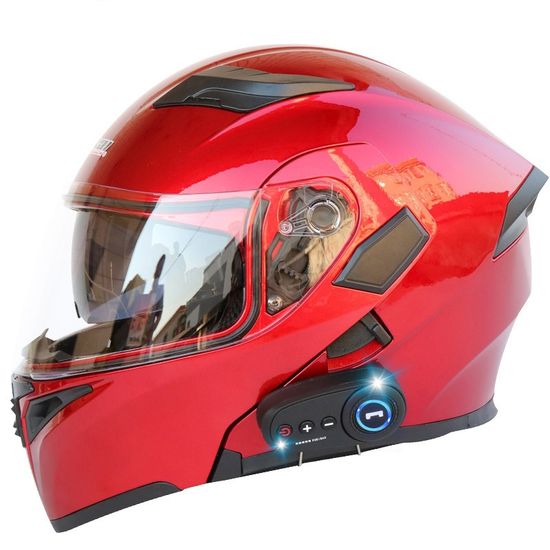
Full-Coverage Carbon Fiber Motorcycle Helmet Used for Outdoor Riding Motorcycles

a Double-Lens Carbon Fiber Motorcycle Helmet Used for Outdoor Cycling and Racing

Outdoor Riding Motorcycle Equipped with Double-Lens Full-Coverage Motorcycle Helmet

I have found results from600+products and200+suppliers aboutUsed motorcycle helmet


Safety is the paramount concern for helmets. You must verify that the helmets originally met international standards such as DOT (FMVSS 218) for the US, ECE 22.05 or 22.06 for Europe, or SNELL M2020. For used items, ensure the certification stickers are intact and legible. However, be aware that EPS (Expanded Polystyrene) liners degrade over time, and most manufacturers recommend replacement every 5 years; therefore, you should prioritize sourcing 'like-new' or 'open-box' stock rather than aged inventory.
A used helmet's protective capability is compromised if it has been in an accident. You should require suppliers to provide high-definition photos and videos showing the outer shell for deep scratches or cracks and the inner EPS liner for indentations. A key sourcing tip is to look for 'shelf-pulls' or 'display models' which have never been impacted. Avoid any units with visible compression of the internal foam or signs of structural repair.
To ensure marketability, the interior must be sanitized. Professional suppliers should provide helmets with removable liners that have been deep-cleaned or replaced. Ensure the chin straps and D-rings are free from fraying and corrosion. If you are purchasing in bulk, request a sanitization certificate or a detailed report on the refurbishment process used to eliminate odors and bacteria.
The economic value of a used helmet drops significantly as it approaches its 5-year expiration date. From a sourcing perspective, helmets manufactured within the last 1-2 years offer the best balance of resale value and safety compliance. Always ask the supplier for the production date stamp, usually found under the comfort padding, to avoid purchasing 'dead stock' that cannot be legally sold in certain jurisdictions.
Many countries have strict regulations or outright bans on the importation of used safety equipment. You must check your local customs laws to see if 'used' protective gear is classified as hazardous waste or restricted second-hand goods. Ensure the commercial invoice clearly states the condition of the goods and that they meet local safety benchmarks to avoid seizure at the border.
When sourcing through platforms like Made-in-China.com, utilize Secured Trading Services to protect your payment until the goods are verified. For used items, it is highly recommended to hire a third-party inspection agency to perform a Random Sampling Inspection at the supplier's warehouse. They should check for hidden cracks, strap tension, and visor clarity before the final balance is paid.
Helmets are bulky but relatively light, making them susceptible to crushing. You should negotiate for double-walled corrugated boxes and ensure each helmet is individually wrapped in bubble wrap or a soft cloth bag. For international shipping, Sea Freight (LCL) is most cost-effective for bulk, but ensure the pallets are shrink-wrapped and reinforced to prevent moisture ingress and stacking damage.
Since used goods inherently have a higher defect rate, you should negotiate a 'Defect Allowance' or 'RMA (Return Merchandise Authorization)' policy. A standard B2B agreement for used gear often includes a 3% to 5% credit for units that arrive with undisclosed damage. Alternatively, request the supplier to include extra replacement visors or liners to offset potential quality issues.