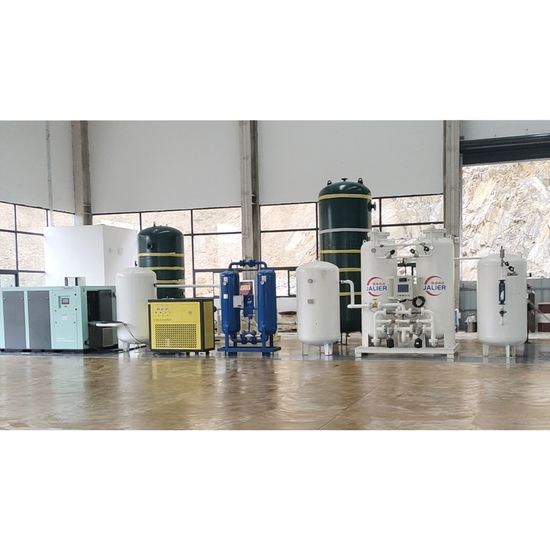
Jinhua Aerospace Used Oxygen Plant Small Air Separation Plant for Industry/Medical

Jinhua Liquid Oxygen Plant Nitrogen Generator Separation Equipment Used Medical

Jinhua Ason Liquid Oxygen Nitrogen Plant Air Separation Plant for Industry/Aerospace

I have found results from400+products and200+suppliers aboutUsed oxygen plant


When sourcing a used oxygen plant, the most critical factor is the remaining operational lifespan of the core components. You must verify the Air Separation Unit (ASU) efficiency, the condition of the main air compressor, and the purity levels the plant can consistently achieve (typically 93%±3% for VPSA or 99.5%+ for Cryogenic plants). Request maintenance logs from the previous five years and check for signs of molecular sieve degradation or heat exchanger fouling, as these can significantly impact energy consumption and output.
Oxygen is highly reactive, making safety compliance non-negotiable. Ensure the plant meets ASME Section VIII for pressure vessels and ISO 13485 if the oxygen is intended for medical use. For industrial applications, verify adherence to IGC (Industrial Gases Council) guidelines. It is essential to confirm that all safety relief valves and oxygen analyzers are calibrated and that the equipment has passed a recent hydrostatic test to ensure structural integrity under high pressure.
The choice depends on your scale and purity needs. Cryogenic plants are ideal for large-scale production and high-purity liquid oxygen, but they have higher startup costs and longer lead times. PSA (Pressure Swing Adsorption) or VPSA plants are more cost-effective for small to medium needs, offering faster startup and lower maintenance. For a used plant, PSA systems are easier to relocate, whereas Cryogenic plants require complex de-installation and re-commissioning by specialized engineers.
Calculate the Total Cost of Ownership (TCO) beyond the purchase price. This includes dismantling, international shipping, foundation construction, and re-installation. A used plant typically offers a 40-60% cost saving compared to a new one, but you must factor in the specific power consumption (kWh/Nm3). If the used plant is inefficient, the long-term electricity costs may outweigh the initial savings. Always prioritize plants from reputable brands like Linde, Air Liquide, or top-tier Chinese manufacturers found on Made-in-China.com for better parts availability.
The biggest risk is 'As-Is' quality discrepancy. Unlike new goods, used plants have wear that photos cannot capture. To mitigate this, hire a third-party inspection agency (like SGS or Intertek) to perform a Pre-Shipment Inspection (PSI) while the plant is still operational. Ensure the contract specifies that payment is linked to the inspection report and that all technical manuals and PLC software codes are included in the shipment.
Focus your negotiation on refurbishment and performance guarantees. Ask the supplier to include critical wear parts (seals, valves, filters) for the first two years of operation. Negotiate a retention payment (typically 10-20%) that is only released after the plant is successfully commissioned and reaches the agreed-upon purity and flow rate at your site.
Oxygen plants involve oversized and heavy-lift cargo. Use Flat Rack or Open Top containers for large cold boxes and compressors. Ensure all components are professionally cleaned for oxygen service (degreased) and sealed to prevent contamination during sea transit. For shipping to specific regions, verify the Incoterms; CIF or DAP is often preferred for complex machinery to ensure the seller manages the risk until the goods reach a major port or your site.
Always use Letter of Credit (L/C) or Escrow services for high-value industrial transactions. Avoid direct wire transfers to unknown accounts. Conduct your sourcing through reputable platforms like Made-in-China.com, which provide supplier audit reports and Star-level ratings to help you verify the legitimacy and export experience of the vendor.