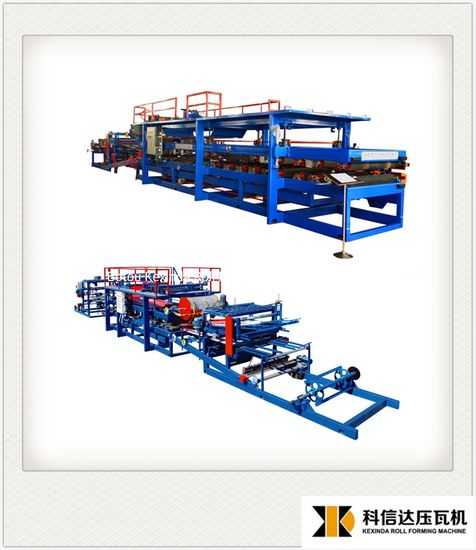
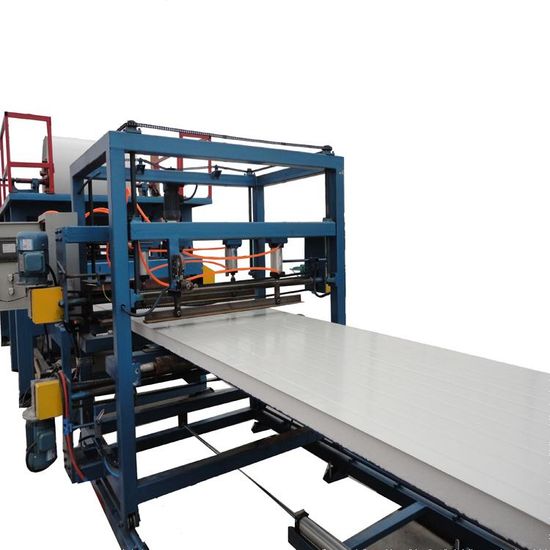
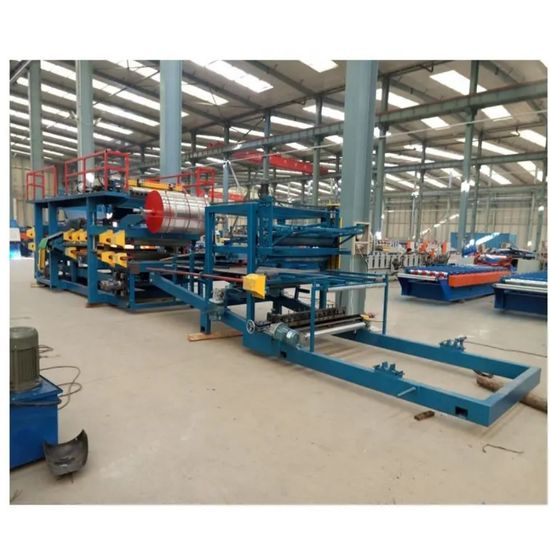
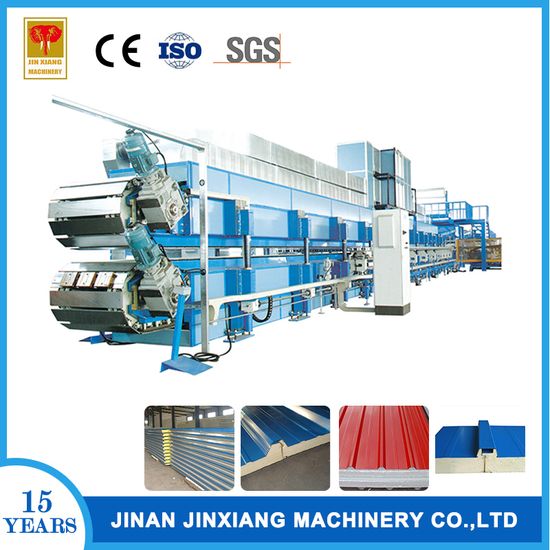
Used PU Sandwich Panel Machine

Used Sandwich Panel Production Line

Sandwich Panel Used

Sandwich Panel Machine

Sandwich Panel Making Machine

I have found results from500+products and200+suppliers aboutUsed sandwich panel machine


When sourcing a used sandwich panel machine, you must prioritize the production line speed (typically 3-8m/min for used units) and the panel thickness range (common standards are 50mm to 250mm). Verify the type of core material the machine is configured for, such as EPS, Rock Wool, or PU (Polyurethane), as the heating and foaming systems differ significantly. Additionally, inspect the PLC control system brand (e.g., Siemens or Mitsubishi) to ensure future software support and parts availability.
Request a video of the machine in operation to check for abnormal vibrations or noise in the double-belt conveyor system. Examine the surface of the pressure rollers for wear, as uneven rollers will cause panel defects. It is critical to ask for the original manufacturing date and maintenance logs. A well-maintained machine from a reputable manufacturer can have a total lifespan of 15-20 years, so a unit that is 5-7 years old often represents the best balance of price and performance.
Ensure the machine carries a CE Marking for the European market or meets UL standards for North America. For used equipment, specifically check the emergency stop systems and protective shielding. You should also verify if the electrical voltage and frequency (e.g., 380V/50Hz vs 480V/60Hz) are compatible with your local power grid to avoid the high cost of installing industrial transformers.
Sandwich panels are primarily used in cold storage construction, prefabricated houses, and industrial roofing. For these applications, the machine must produce panels with high bonding strength between the metal skin and the core. Ensure the used machine's glue spraying system is not clogged, as consistent adhesive distribution is vital for thermal insulation efficiency and structural integrity.
The biggest risk is hidden mechanical failure that is not visible in photos. To mitigate this, always hire a third-party inspection agency (like SGS or Intertek) to perform an on-site audit before final payment. Another risk is missing components during disassembly; ensure the contract includes a detailed packing list covering every motor, sensor, and cable.
Focus your negotiation on refurbishment services. Ask the supplier to replace wearing parts (like seals, bearings, and belts) as part of the deal. Request a performance guarantee or a limited parts-only warranty of 3-6 months. Since it is a used item, you can often negotiate a 10-20% discount by comparing the price to the current market value of a brand-new equivalent.
A full production line is bulky and usually requires multiple 40ft HQ containers or Flat Rack containers. Ensure the supplier uses professional anti-rust coating and vacuum packaging for the electronic cabinets and precision rollers to prevent corrosion during sea transit. Specify FOB or CIF terms clearly to define where the risk transfers from the seller to the buyer.
Use Secured Trading Services provided by Made-in-China.com to protect your funds. Avoid paying the full amount upfront; a standard structure is 30% deposit and 70% after inspection but before shipment. Ensure all technical specifications and the machine's serial number are explicitly stated in the Proforma Invoice (PI) to prevent the supplier from swapping the unit for a lower-quality one.