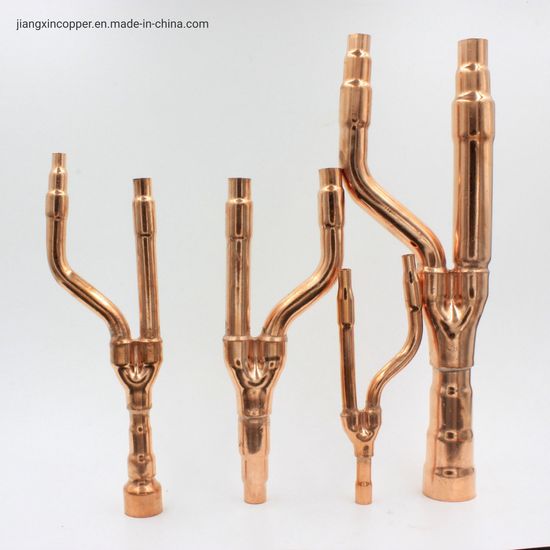
Galvanized Steel 90 Degree Splitter Vent Duct Fitting Transition Saddle Branch

HVAC System Part Ventilation Galvanized Steel Round Saddle Branch

Air Ventilation System Galvanized Steel 45° Y Shape Branch Duct Splitter

I have found results from400+products and200+suppliers aboutVrf branches price


Selecting VRF branches requires precise matching with the outdoor unit brand and refrigerant type. You must ensure the branch kit is compatible with the specific piping diameter of the system. Always verify the refrigerant compatibility, as branches designed for R410A must withstand higher pressures (up to 4.15MPa) compared to older R22 systems. Additionally, check the insulation material quality, prioritizing flame-retardant PE foam to prevent condensation and energy loss.
The most critical factor is the copper pipe thickness and purity. High-quality branches use TP2 deoxidized copper with a purity of 99.9%. For R410A systems, the wall thickness must meet international pressure standards to prevent bursting. Look for one-piece molding technology or high-frequency automated welding, which reduces the risk of leakage compared to manual welding. Ensure the product has passed a pressure leakage test (usually 4.8MPa to 5.2MPa) before leaving the factory.
VRF branches are essential components in Multi-Split Central Air Conditioning systems used in commercial buildings, hotels, and large residential projects. Their primary function is to distribute refrigerant flow evenly to multiple indoor units. Functional requirements include low flow resistance to maintain system efficiency and noise reduction capabilities to ensure a quiet indoor environment. They must be designed to facilitate oil return to the compressor to prevent mechanical failure.
Buyers should prioritize suppliers who hold ISO 9001 for quality management and ISO 14001 for environmental standards. For specific markets, look for CE marking (PED 2014/68/EU) for pressure equipment in Europe or UL certification for North America. Compliance with RoHS is also vital to ensure the absence of hazardous substances in the copper and insulation materials.
The biggest risk is material substitution, where suppliers use recycled copper or thinner walls to lower costs, leading to refrigerant leaks that are expensive to repair. Another risk is incompatibility with brand-specific logic (e.g., Daikin, Mitsubishi, or Midea specifications). To mitigate this, always request a technical drawing confirmation and a material analysis report from the supplier before mass production.
Negotiation should focus on volume-based tiered pricing; typically, orders exceeding 500 sets can yield 10-20% discounts. Since copper is a commodity, consider negotiating a price adjustment clause linked to the LME (London Metal Exchange) copper index. For long-term partnerships, request OEM/ODM services where the supplier includes your brand on the insulation or packaging at no extra cost for large volumes.
VRF branches are lightweight but bulky due to insulation. Use palletized shipping to prevent the copper pipes from being crushed or bent during transit. For transaction security, utilize Trade Assurance services on Made-in-China.com to protect your payment until the goods are verified. Always insist on a pre-shipment inspection by a third party (like SGS or Intertek) to verify the pressure test certificates and quantity.
Be aware of anti-dumping duties on copper tubes in certain regions. Choose FOB (Free On Board) terms if you have a reliable freight forwarder to control costs, or CIF (Cost, Insurance, and Freight) for a more hands-off approach. Ensure the HS Code (typically 741220) is correctly declared to avoid customs delays and ensure the correct tariff application.