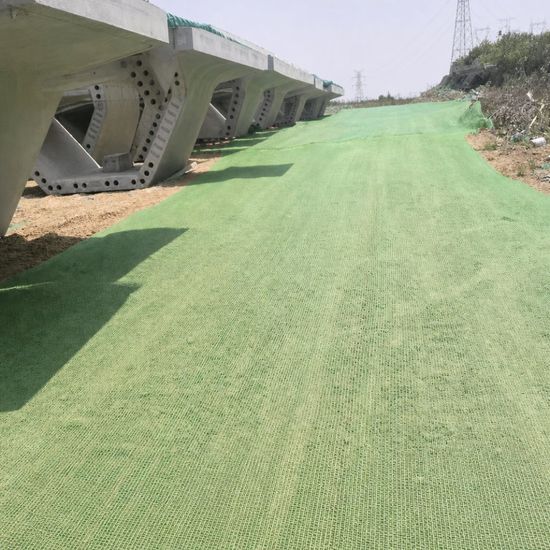
Polyethylene Shade Cloth, Construction Safety Net, Dust Control Net Wholesale

Wholesale PE Shade Net, Building Safety Net, Construction Dust Netting

High Quality Shade Net, Safety Net, Dust Proof Net for Construction & Agriculture

I have found results from400+products and200+suppliers aboutWholesale dust net


When evaluating dust nets, the most critical factor is the material composition, typically High-Density Polyethylene (HDPE) with UV stabilizers to prevent degradation from sunlight. You must verify the mesh density (shading rate), which usually ranges from 50% to 95%, and the weight per square meter (GSM); a higher GSM (e.g., 80g/m² to 120g/m²) generally indicates better tear resistance and durability. For construction safety, ensure the net has reinforced edges and aluminum or brass eyelets spaced every 50cm to 100cm for secure installation.
For the European market, products should ideally comply with REACH regulations to ensure no harmful chemicals are present. If the dust net is used as a safety barrier in construction, it may need to meet EN 1263-1 standards for safety netting. For US-bound shipments, check for NFPA 701 fire retardant certification if the nets are used in high-risk environments. Always request a Certificate of Analysis (COA) and ISO 9001 factory certification to guarantee consistent manufacturing quality.
Perform a tensile strength test to determine the breaking point of the mesh and a bursting strength test for impact resistance. Check the UV resistance rating; quality nets should withstand at least 3-5 years of outdoor exposure. Additionally, inspect the weaving technique—knotted nets offer high strength, while raschel knitted (knotless) nets are less likely to unravel if cut. For environmental projects, verify the dust suppression efficiency through third-party airflow lab reports.
A top-tier supplier on Made-in-China.com should offer OEM/ODM services, including custom dimensions (roll width and length), a variety of colors (green, black, and blue being standard), and logo printing on the mesh or packaging. Furthermore, they should provide options for different fire-retardant grades and varying mesh hole sizes to suit specific applications like coal yard covering, scaffolding safety, or agricultural windbreaks.
Utilize Secured Trading Services provided by Made-in-China.com to ensure your payment is only released after you confirm receipt of goods. Conduct a factory audit or hire a third-party inspection agency (like SGS or Intertek) to perform a Pre-Shipment Inspection (PSI). This ensures the GSM, dimensions, and material quality match your Proforma Invoice before the container leaves the port.
Dust nets are high-volume, low-margin commodities, so economies of scale are vital. Negotiate based on Full Container Load (FCL) quantities to reduce the unit price by 10-20% compared to LCL. If you are a new buyer, propose a staged purchasing plan where you start with a lower MOQ for a trial, promising increased volume if the quality meets your standards. Always ask for FOB (Free On Board) pricing to maintain control over your shipping costs and logistics.
Dust nets are bulky but relatively light, meaning they are often billed by volumetric weight. Request the supplier to use vacuum compression packaging or high-pressure baling to minimize volume and save on freight costs. Ensure the outer packaging is waterproof woven bags to prevent moisture damage during sea transit. For shipping to specific regions, confirm the HS Code (typically 560819) with your customs broker to calculate accurate import duties and anti-dumping taxes.