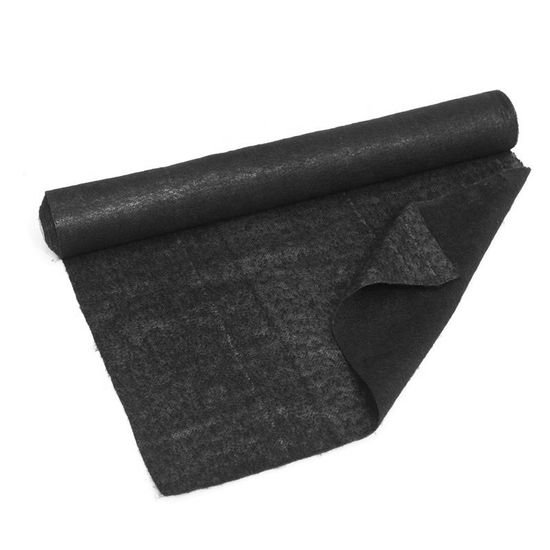
Glass Fiber Needle Mat Stitch Mat Whole Sale Knit Mat

Glass Fiber Needle Mat Stitch Mat Whole Sale

Boat Building Material Fiberglass Mat E-Glass Chopped Strand Mat for Panels, Tanks, Boats, Complete Set of Sanitary Equipment 300/450

I have found results from400+products and200+suppliers aboutWholesale needle punch mat


When evaluating needle punch mats, focus on Weight (GSM), Fiber Composition, and Thickness. For high-traffic commercial use, a weight of 600-1200 GSM is recommended for durability. Ensure the material is 100% Polyester or Polypropylene to guarantee moisture resistance and colorfastness. Additionally, verify the backing material (e.g., PVC, Bitumen, or Latex) to ensure it meets the anti-slip requirements of your specific application.
To ensure market entry and safety, products should comply with ISO 9001 for quality management. For the US market, CPSC FF 1-70 (flammability standard for carpets) is critical, while the EU market often requires REACH compliance for chemical safety and EN 13501-1 for fire classification. Always request third-party lab test reports to validate these claims before finalizing a bulk purchase.
Request samples to perform a Taber Abrasion Test to check wear resistance. Evaluate the UV stability if the mats are intended for outdoor or entryway use to prevent fading. For automotive or industrial applications, check for oil and chemical resistance. A high-quality needle punch mat should maintain its structural integrity and resist pilling even after heavy mechanical friction.
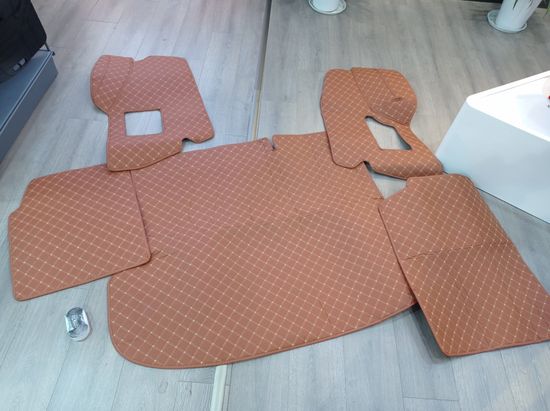
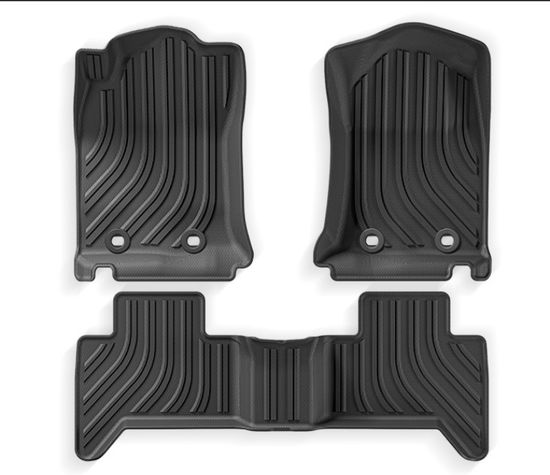
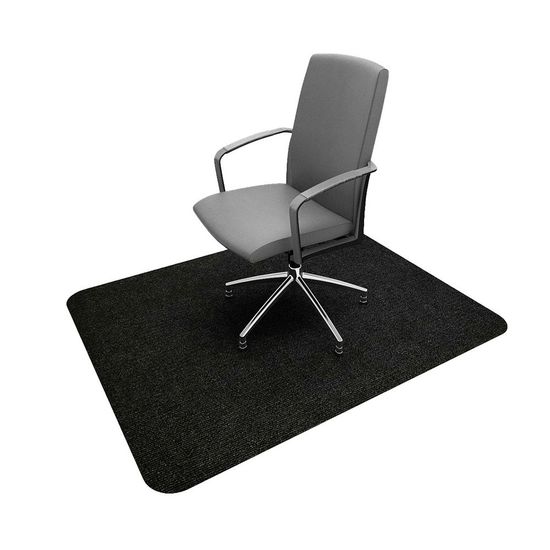
These mats are highly versatile. Common applications include Automotive Interiors (trunk liners and floor mats), Exhibition Carpeting (due to cost-effectiveness), Commercial Entryways (for dirt trapping), and Geotextiles for drainage. Understanding the end-use allows you to specify the correct needle density and surface finish (velour, ribbed, or plain).
Utilize Made-in-China.com's Secured Trading Service to protect your payments. Conduct a factory audit or hire a third-party inspection service like SGS or Intertek to verify the supplier's production capacity and quality control processes before the goods leave the warehouse.
Negotiate based on Total Cost of Ownership (TCO) rather than just the unit price. Ask for tiered pricing (e.g., discounts for 1x20GP vs. 1x40HQ containers). You can often achieve a 5-10% price reduction by committing to a long-term purchasing contract or by optimizing the packaging dimensions to reduce wasted shipping space.
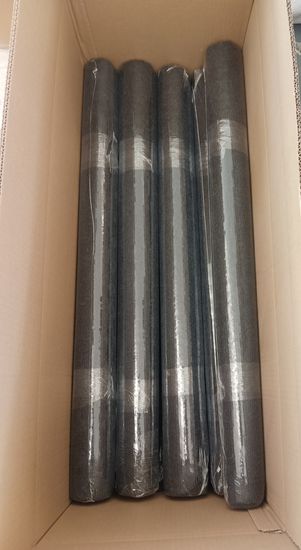
Since mats are bulky but relatively light, they are often charged by volumetric weight. Use vacuum compression packaging to reduce volume and save on freight costs. For international trade, FOB (Free On Board) is generally preferred as it gives the buyer more control over the shipping timeline and costs compared to CIF.
Always use Letter of Credit (L/C) or Telegraphic Transfer (T/T) with a deposit/balance split (e.g., 30/70). Ensure all HS Codes (typically 5704.90) are correctly declared on the Commercial Invoice to avoid customs delays and ensure correct tariff application according to your country's trade agreements.