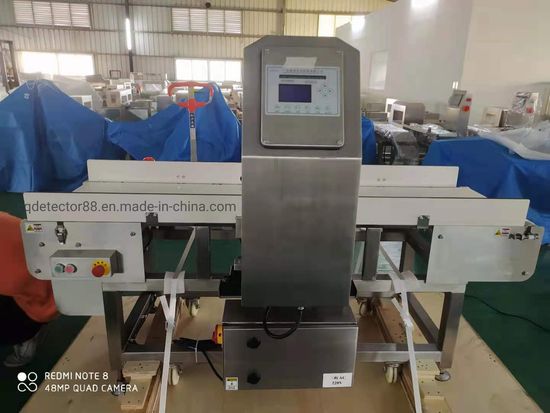
Factory Price Mutil Zones Walk Through Metal Detector

6 / 12 / 18 Zones Exhibition Hall Check Walk Through Metal Detector with 255 Sensitivity

Lightweight Walk Through Metal Detector for Shopping Mall, Hotel

I have found results from1000+products and500+suppliers aboutWireless induction metal detector


When sourcing, prioritize Pulse Induction (PI) technology for deep ground penetration or Very Low Frequency (VLF) for superior target discrimination. Ensure the device supports Bluetooth 5.0 or proprietary 2.4GHz wireless transmission to eliminate audio lag. Key metrics include a waterproof rating of at least IP68 for the search coil, a sensitivity depth of ≥30cm for coin-sized objects, and Ground Balance (Manual/Automatic) to filter out mineralization.
As these are wireless electronic devices, they must comply with FCC (USA) or CE/RED (Europe) for radio frequency safety. Ensure the lithium batteries have UN38.3 and MSDS reports for air/sea freight. For environmental compliance, verify RoHS and WEEE certifications to ensure the absence of hazardous substances and proper electronic waste management.
Professional units should feature a telescopic carbon fiber shaft for a balance of lightweight handling and structural rigidity. The battery capacity should provide at least 15-20 hours of continuous operation, and the supplier should provide cycle test reports for the integrated lithium cells. Look for reinforced cable connectors and high-impact ABS plastic housing to withstand rugged outdoor environments.
For treasure hunting, look for Multi-IQ frequency technology and adjustable Discrimination/Notch settings to ignore iron trash. For security applications, prioritize high-speed recovery time and vibration alerts. If the target market involves underwater use, confirm the wireless signal stability when the coil is submerged, as water can block standard Bluetooth signals.
The biggest risks include Customs seizure due to lack of wireless frequency certification and battery safety issues during transit. Always request a pre-shipment inspection (PSI) to verify that the wireless modules match the technical data sheets. Additionally, ensure the HS Code (typically 8543.70) is correctly declared to avoid tariff penalties or anti-dumping investigations in specific regions.
Start by requesting a sample unit at a discounted rate to test the 'Air Test' depth and wireless latency. Negotiate a tiered pricing structure where the unit price drops by 10-15% for orders exceeding 500 units. Demand a 12-24 month warranty and ask the supplier to provide spare parts (coils/shafts) at 2-3% of the total order value to handle local RMAs efficiently.
Utilize Secured Trading Services on Made-in-China.com to ensure payment is only released upon confirmation of shipment. For logistics, use specialized battery-inclusive shipping lines (DG Cargo) to prevent delays. Ensure the packaging includes anti-static shielding and high-density foam to protect the sensitive electromagnetic coils from calibration shifts during rough handling.
Some high-end induction technology may be classified under dual-use goods (military/civilian). Verify that the detector's depth and discrimination capabilities do not trigger export control licenses. Always check the latest trade tariffs (e.g., Section 301 for US buyers) to calculate the true landed cost before finalizing the purchase contract.