
Satisfies 1 requirement
Metal Aluminum Particle Aluminum Segment Aluminum Particle Vacuum Coating Material High Purity Wire-Cut Aluminum Particle
US$2,960.00
1 Ton(MOQ)

30000+ products and 10000+ suppliers results


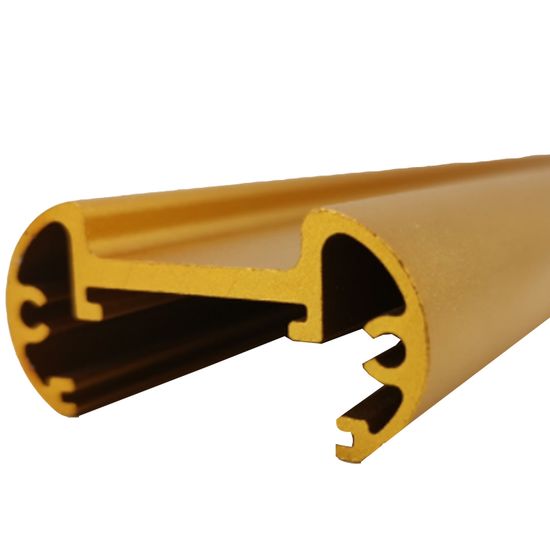


Choosing the right grade is critical for performance. For structural applications, prioritize 6061-T6 due to its excellent strength and weldability. For architectural or decorative purposes, 6063 is preferred for its superior surface finish. If your project involves marine environments, ensure you specify 5052 or 5083 grades, which offer high corrosion resistance against saltwater. Always request a Mill Test Certificate (MTC) to verify the chemical composition and mechanical properties.
To ensure safety and quality, products should adhere to ASTM (American Society for Testing and Materials) or EN (European Norm) standards. For construction materials, look for ISO 9001:2015 quality management certification. If the aluminum is for the automotive or aerospace sectors, verify IATF 16949 or AS9100 compliance. Additionally, ensure the supplier provides RoHS and REACH declarations to confirm the absence of hazardous substances.
The choice of finish impacts both lifespan and appearance. Anodizing is the industry standard for increasing wear resistance and providing a sleek metallic look. For a wider range of colors and UV protection, Powder Coating is highly effective. If the material is for industrial use where aesthetics are secondary, a Mill Finish is the most cost-effective option. Ensure the coating thickness meets Qualicoat or AAMA standards for long-term outdoor exposure.
Precision is vital for assembly. You should request the supplier's tolerance specifications, typically following GB/T 5237 or EN 755-9 standards. For custom profiles, ask for CAD/BIM support and a first-article inspection (FAI) report. High-quality suppliers on Made-in-China.com often use CNC machining to achieve tight tolerances of ±0.1mm or better for critical dimensions.
Aluminum prices are tied to the LME (London Metal Exchange) and can fluctuate daily. To protect your budget, negotiate fixed-price contracts for a set duration or use formula-based pricing linked to the LME index. For large-scale projects, consider hedging strategies or placing bulk orders when market rates are low to lock in costs.
Utilize Secured Trading Services offered by platforms like Made-in-China.com to ensure payments are only released upon confirmation of receipt. To prevent physical damage such as oxidation or scratching during sea freight, insist on seaworthy packaging, including waterproof paper wrapping, plastic film interleaving, and sturdy wooden pallets or crates.
Be aware of Anti-Dumping Duties (ADD) and Countervailing Duties (CVD) that some countries impose on aluminum products from specific regions. Always verify the HS Code (typically starting with 7604 for profiles or 7606 for plates) with your customs broker. Choosing DDP (Delivered Duty Paid) terms can simplify the process, but FOB (Free On Board) gives you more control over shipping costs and logistics.
Before placing a large order, check if the supplier is an Audited Supplier on Made-in-China.com, which indicates their facilities have been inspected by third-party agencies like SGS or Bureau Veritas. Request a factory video tour and ask for references from previous international clients to validate their export experience and reliability.