
Satisfies 1 requirement
Factory Supply 100% Pure Natural Raw Cacao / Cocoa Powder for Baking & Hot Chocolate
US$2.50-5.00
1 kg(MOQ)

2000+ products and 700+ suppliers results


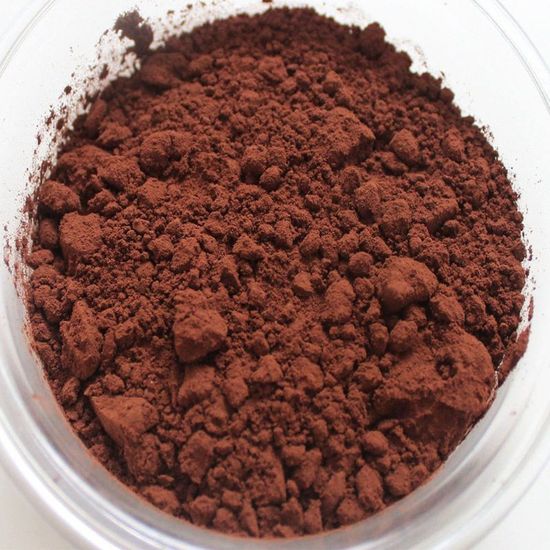


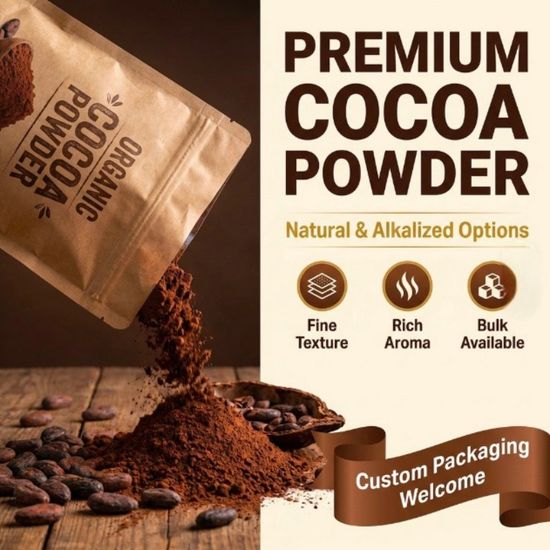


Buyers should prioritize fat content, typically categorized into low-fat (10-12%) or high-fat (20-24%), as this significantly impacts flavor profile and mouthfeel. Additionally, verify the pH level; Natural Cacao Powder is acidic (pH 5.1-5.4), while Alkalized (Dutched) Cacao Powder has a neutral pH (7.0-8.0), making it better for solubility and darker color. Ensure the fineness meets a standard of 99% passing through a 200-mesh screen to prevent grittiness in end products.
To ensure global compliance, suppliers must provide HACCP and ISO 22000 certifications for food safety management. For specific markets, FDA registration is required for the U.S., while EFSA compliance is necessary for the EU. Furthermore, high-value B2B buyers should look for Organic (USDA or EU Organic), Fair Trade, and Rainforest Alliance certifications to meet sustainability and ethical sourcing demands.
Raw Cacao Powder is processed at low temperatures to preserve antioxidants and flavonoids, making it ideal for the health supplement and superfood industry. Conversely, Roasted Cacao Powder offers a more traditional chocolate aroma suitable for confectionery and bakery sectors. Buyers must confirm the microbiological limits, specifically ensuring the product is Salmonella-free and has a Total Plate Count (TPC) below 5,000 cfu/g.
Cacao powder is highly sensitive to moisture and odors. It should be packed in multi-layer kraft paper bags with a food-grade PE inner liner, typically in 25kg units. The packaging must be hermetically sealed to prevent oxidation and moisture absorption, ensuring a shelf life of 24 months when stored in a cool, dry place (temperature <20°C, humidity <65%).
The most significant risks include heavy metal contamination (specifically Cadmium and Lead), which are strictly regulated in the EU and California (Prop 65). Always request a Certificate of Analysis (COA) for every batch. Another risk is adulteration; ensure the supplier provides a Pure Cacao Guarantee to confirm no husks or synthetic fats have been added.
Focus on Annual Volume Contracts rather than spot buys to secure stable pricing against the volatile ICE Cocoa Futures market. Negotiate for tiered pricing where the unit cost drops by 5-10% for full container loads (FCL). Additionally, request Free On Board (FOB) terms to maintain control over shipping costs and logistics transparency.
Cacao powder is classified under HS Code 180500. Ensure all documentation, including the Phytosanitary Certificate and Certificate of Origin, is accurate to avoid customs delays. Use reefer containers or insulated liners if shipping through tropical zones to prevent clumping or fat separation caused by heat.
Utilize Secured Payment services provided by Made-in-China.com to ensure funds are only released upon proof of shipment. For large-scale orders, hire a third-party inspection agency (like SGS or Intertek) to perform a Pre-Shipment Inspection (PSI) to verify quantity, packaging, and sensory quality before the balance payment is made.