
Satisfies 1 requirement
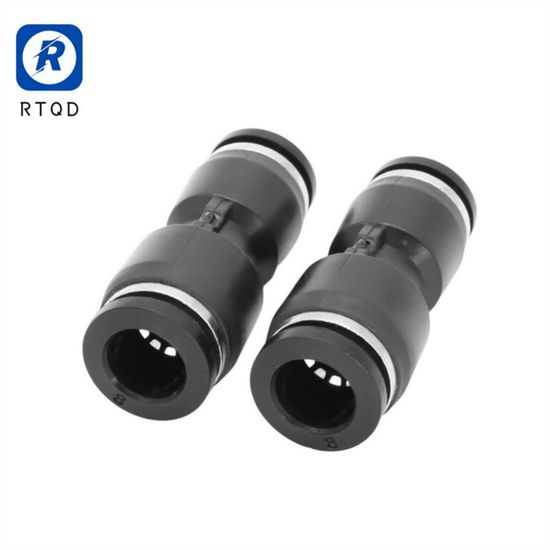
KQG2 Stainless Steel Pneumatic Quick Fitting C Type Self Lock Quick Coupling Air Hose Connector For Air Compressor Air Gun Industrial Pneumatic System
US$1.50-2.00
10 Pieces(MOQ)

I have found results from90000+products and30000+suppliers aboutCompressor fittings




When sourcing compressor fittings, you must prioritize pressure ratings (PSI/Bar) to ensure they exceed the maximum output of your system. Material selection is critical: Stainless Steel (304/316) offers superior corrosion resistance, Brass is ideal for general pneumatic applications due to its spark-resistance, and Anodized Aluminum provides a lightweight solution. Additionally, verify the thread type (NPT, BSPP, or BSPT) to ensure leak-proof compatibility with existing hoses and manifolds.
For high-pressure environments, ensure the fittings comply with ISO 9001 for manufacturing quality and ASME B31.3 for process piping. If the fittings are used in hazardous areas, look for ATEX or IECEx certifications. For food-grade or medical air applications, the materials must meet FDA or REACH standards to prevent contamination from lubricants or heavy metals.
Request burst pressure test reports and salt spray test results (especially for offshore or humid environments). A high-quality fitting should maintain a zero-leakage seal under vibration; therefore, prioritize suppliers who offer vibration-resistant designs like double-ferrule compression fittings. Ensure the operating temperature range aligns with your specific environment, typically ranging from -40°C to +120°C for standard pneumatic seals.
To maximize value, look for suppliers on Made-in-China.com that offer tiered pricing for MOQs of 500+ units, which can reduce unit costs by 20-35%. Consider the Total Cost of Ownership (TCO) by evaluating the lifespan of the seals; choosing fittings with Viton or NBR O-rings may have a higher upfront cost but significantly reduces maintenance downtime and replacement frequency.
The primary risk is material substitution, where a supplier might use a lower grade of alloy than specified. To mitigate this, require a Material Test Report (MTR) and consider a third-party pre-shipment inspection to conduct a PMI (Positive Material Identification) test. Another risk is thread deformation during transit; ensure the supplier uses protective plastic caps on all threaded ends and heavy-duty, moisture-proof packaging.
Utilize Secure Payment services provided by platforms like Made-in-China.com to ensure funds are only released upon confirmation of receipt. Negotiate a 30/70 payment term (30% deposit, 70% against the Bill of Lading) to maintain leverage. Clearly define the Acceptable Quality Level (AQL) in the contract, specifying that any batch with a leak rate exceeding 0.5% will be subject to full replacement at the supplier's expense.
Compressor fittings are often heavy; for orders exceeding 200kg, Sea Freight (LCL) is more economical than air express. Ensure the supplier provides the correct HS Code (typically 7307 for steel or 7412 for copper fittings) to avoid customs delays or incorrect duty applications. If shipping to the US or EU, verify if anti-dumping duties apply to specific steel pipe fittings from the region of origin.