
Satisfies 1 requirement
105-390A 6kv Lkgkl Series Dry Type Air-Core Filter Reactor
US$2,780.00-89,990.00
1 Piece(MOQ)

50000+ products and 10000+ suppliers results


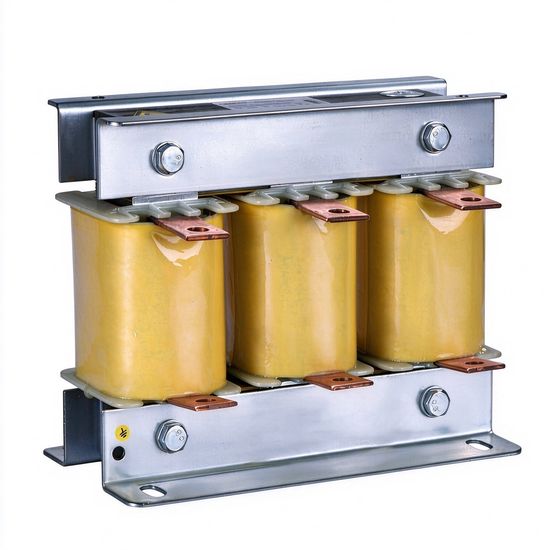


When procuring a Filter Reactor, you must prioritize inductance accuracy (typically ±3% to ±5%) and linearity to ensure effective harmonic suppression. Key parameters include the rated voltage (e.g., 400V, 690V), rated current, and the detuning factor (e.g., 5.67%, 7%, or 14%) which must match your capacitor bank to avoid resonance. Additionally, verify the insulation class (Class H or F is recommended) to withstand high thermal loads during continuous operation.
For global trade, ensure the product complies with IEC 60076-6 (Reactors) or IEEE Std C57.21. For the European market, CE marking and RoHS compliance are essential. If exporting to North America, UL or CSA certification for the insulation system and components is a critical requirement to pass local safety inspections and insurance audits.
The choice between copper and aluminum windings significantly affects the price and footprint. While copper offers higher conductivity and smaller dimensions, aluminum is more cost-effective for large-scale projects. Furthermore, the core should be made of high-quality cold-rolled silicon steel sheets with low loss to minimize heat generation and improve the Total Cost of Ownership (TCO) over the product's lifespan.
Filter Reactors are primarily used in Power Quality Improvement systems. They are integrated into Automatic Capacitor Banks to protect capacitors from harmonic currents, in Variable Frequency Drives (VFDs) to reduce line distortion, and in Renewable Energy plants (Solar/Wind) to stabilize the grid interface. They are also vital in heavy industries like steel mills and mining where non-linear loads are prevalent.
Filter Reactors are heavy and sensitive to vibration. You should mandate vacuum-sealed moisture-proof packaging and reinforced wooden crate packing (IPPC certified). Request the supplier to use shock-absorbent bases and include TiltWatch or ShockWatch sensors on the crates to monitor handling during transit. Ensure the Incoterms are clearly defined, preferably CIF or DAP, to include insurance coverage for high-value electrical components.
Focus on technical transparency rather than just the lowest price. Ask for Type Test Reports from independent labs to verify performance. Negotiate a staged payment structure (e.g., 30% deposit, 60% after FAT/inspection, 10% after arrival). For large orders, leverage the supplier's ability to provide customized OEM labeling and extended warranties (typically 18-24 months) as part of the value package.
Utilize professional B2B platforms like Made-in-China.com, which offers Audited Supplier reports and secured payment services. Always verify the supplier's ISO 9001 certification and check if they have a proven track record of exporting to your specific region. Conduct a Factory Acceptance Test (FAT) via video link or a third-party inspector (like SGS or Intertek) before the final balance is paid.
Check the HS Code (typically 8504.40 or 8504.50) to determine the applicable import duties and VAT in your country. Be aware of any anti-dumping duties on electrical steel or transformers from specific regions. Ensure all technical manuals and nameplates are provided in English (or the local language) to comply with customs documentation requirements and facilitate smooth clearance.