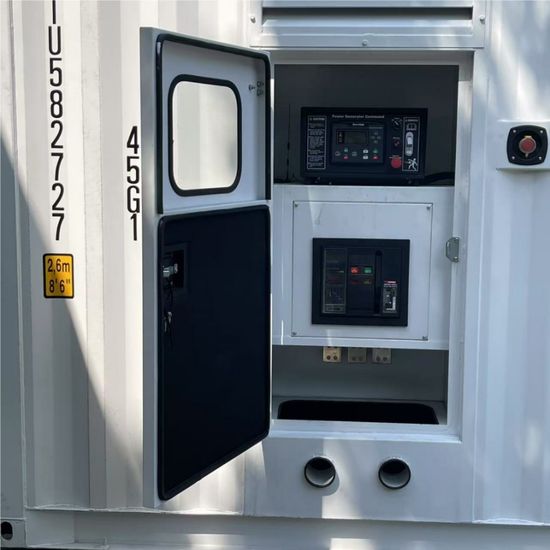
Satisfies 1 requirement
High-Performance 40kw Perkins Diesel Generator for Global Markets
US$6,000.00-6,500.00
1 Piece(MOQ)

200000+ products and 60000+ suppliers results


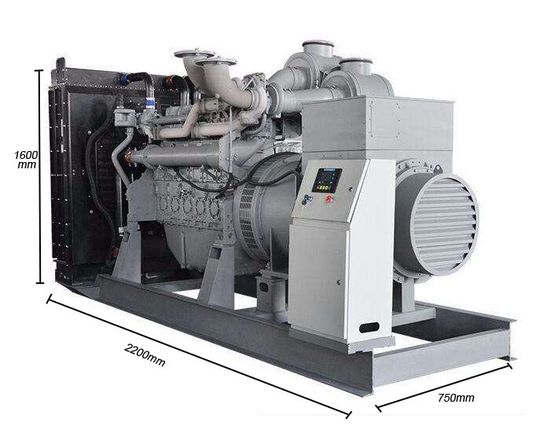


Selecting the correct generator depends on the power source and environment. Diesel generators are the industry standard for high-torque, long-duration backup due to their fuel efficiency and durability. Gasoline generators are more suitable for portable, intermittent use such as small construction sites. For eco-conscious projects, Solar/Inverter generators offer silent operation and zero emissions, though with lower power density. Always verify the Rated Power (Continuous) versus Peak Power (Surge) to ensure the unit can handle motor startup currents.
Buyers must ensure generators meet regional electrical and safety standards. For the US market, EPA/CARB emission standards and UL 2200 for stationary engine generator assemblies are mandatory. For the EU, CE marking and Stage V emission standards are required. Key technical benchmarks include THD (Total Harmonic Distortion) < 5% for sensitive electronics, IP23 or higher protection ratings for outdoor use, and ATS (Automatic Transfer Switch) compatibility for seamless power transitions.
For high-capacity units, water-cooled engines are superior for continuous operation compared to air-cooled models. Regarding noise, look for 'Silent Type' or 'Super Silent' canopies that utilize high-density acoustic foam and specialized mufflers to reduce noise levels to below 70dB at 7 meters. This is critical for generators used in residential areas, hospitals, or office environments.
A generator is a long-term investment; therefore, prioritize suppliers who provide comprehensive O&M (Operation and Maintenance) manuals and a 2-year or 2,000-hour warranty. Ensure the engine brand (e.g., Cummins, Perkins, or high-quality Chinese brands like Weichai) has global spare parts availability. Ask the supplier for a consumables kit (filters, belts, gaskets) to be included with the initial shipment to minimize downtime during the first year of operation.
The primary risks include voltage/frequency mismatch (e.g., 50Hz vs 60Hz) and shipping damage. Always specify the destination's grid requirements in the contract. To mitigate physical risk, insist on seaworthy packaging such as reinforced wooden crates or vacuum-sealed plastic wrapping to prevent saltwater corrosion during sea transit. Utilizing Made-in-China.com's inspection services can help verify the machine's condition before it leaves the factory.
For bulk orders, negotiate for tiered pricing or the inclusion of ATS panels and trailers at a discounted rate. To ensure security, use Trade Assurance or Escrow services provided by platforms like Made-in-China.com, which hold payment until the Bill of Lading is verified. Never transfer full payments to private bank accounts; always use official corporate accounts verified by the platform.
Generators are heavy and often classified as dangerous goods if they contain residual fuel or batteries. Use FOB (Free On Board) terms if you have a reliable freight forwarder who understands DG (Dangerous Goods) handling. For large industrial sets, Open Top (OT) or Flat Rack containers may be necessary. Ensure the supplier provides a Material Safety Data Sheet (MSDS) for the battery and alternator to avoid customs delays.
Stay updated on Carbon Border Adjustment Mechanisms (CBAM) in the EU and similar green policies elsewhere. Importing generators with Tier 4 Final or Stage V engines may have higher upfront costs but avoids heavy environmental taxes or import bans. Always check for Anti-Dumping Duties that might apply to specific engine components based on the country of origin to avoid unexpected costs at the port.