
Satisfies 1 requirement
Fog Smoke Sprayer Agricultural Pesticide Mosquito Spray Fogger Mist Thermal Fogging Machine Factory Price
US$100.00-140.00
2 Pieces(MOQ)

I have found results from50000+products and10000+suppliers aboutMist sprayer machine


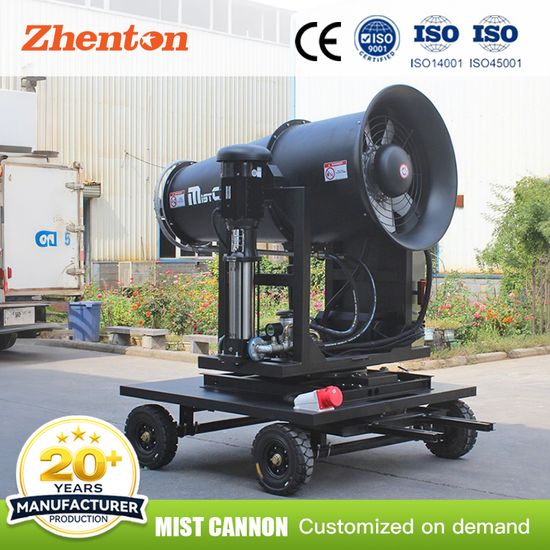


When evaluating mist sprayers, prioritize the droplet size (micron rating); for disinfection, a range of 10-50 microns is ideal for surface coverage without excessive wetting. Check the tank capacity (typically 5L to 16L for portable units) and the spray range/distance, which should ideally reach 6-10 meters for efficiency. For battery-operated models, ensure a lithium-ion battery with at least 2-4 hours of continuous run time.
Ensure the machine carries the CE marking for the European market or FCC/UL certification for the United States to guarantee electrical safety. If the sprayer is intended for medical or high-level disinfection, look for ISO 13485 or EPA registration numbers. For agricultural use, compliance with ISO 19932 regarding equipment protection and environmental safety is highly recommended.
The internal components, especially the nozzle and pump, must be made of corrosion-resistant materials like stainless steel or high-grade reinforced plastics to withstand harsh chemicals. Ask the supplier for a chemical compatibility chart to ensure the seals (e.g., Viton or EPDM) are resistant to the specific disinfectants or pesticides you intend to use.
ULV (Ultra-Low Volume) Cold Foggers are best for indoor disinfection in hospitals, offices, and schools due to their fine mist. Thermal Foggers are more suitable for outdoor pest control and large-scale agricultural applications where a visible smoke-like fog is needed to penetrate dense foliage. Electrostatic Sprayers are the premium choice for 360-degree coverage on complex surfaces.
The primary risks include voltage incompatibility (e.g., 110V vs 220V) and plug type mismatches. Always specify the destination country's electrical standards. Another risk is liquid leakage during testing; ensure the supplier performs a pressure test and drains all fluid before shipping to prevent mold or electrical shorts during transit.
Utilize the Secured Trading Services provided by Made-in-China.com to protect your payments. Before placing a bulk order, verify if the supplier is an Audited Supplier on the platform. Request a factory inspection report or a video walk-through of the production line to confirm they are a manufacturer rather than a middleman.
Negotiate based on Total Cost of Ownership (TCO) rather than just the unit price. Ask for spare parts kits (nozzles, O-rings, and filters) to be included in the initial order, which can reduce long-term maintenance costs. For orders exceeding 500 units, aim for a 10-15% volume discount and request customized branding (OEM) at no extra cost.
Mist sprayers are bulky; use double-walled corrugated boxes with custom foam inserts to prevent impact damage. If the machines contain lithium batteries, they must be shipped as Class 9 Dangerous Goods according to IATA/IMDG regulations. For cost-efficiency, Sea Freight (FCL or LCL) is recommended for large volumes, while Air Freight should be reserved for high-value electrostatic models or urgent samples.