
Satisfies 1 requirement
Marine Cummins 60kVA Diesel Generator Waterproof for Ships
US$500.00-1,999.00
1 Piece(MOQ)

200000+ products and 70000+ suppliers results


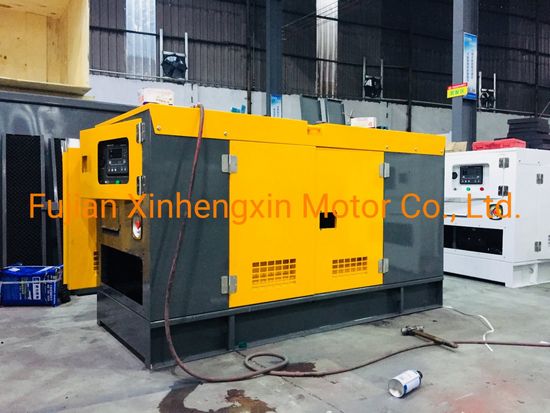


When sourcing a ship generator (marine genset), the most critical factor is the Power Output (kVA/kW), which must match the vessel's peak load requirements. You must specify the Engine Brand (e.g., Cummins, Perkins, or Deutz) and the Alternator Type (brushless is preferred for marine environments). Additionally, pay close attention to the Cooling System; buyers should choose between Heat Exchanger Cooling or Keel Cooling based on the vessel's design. Ensure the unit features Automatic Voltage Regulation (AVR) to protect sensitive onboard electronics from power surges.
Marine generators must adhere to strict safety and environmental regulations. It is essential to verify that the supplier provides certification from IACS (International Association of Classification Societies) members, such as CCS, ABS, BV, DNV-GL, or LR. For environmental compliance, the engine must meet IMO Tier II or Tier III emission standards to operate in international waters. Furthermore, ensure the control panels meet IP23 or higher protection ratings to withstand the corrosive, high-humidity marine atmosphere.
To ensure longevity, the generator must have Anti-Corrosive Coating on the frame and enclosure. The alternator windings should have Class H Insulation and be treated with marine-grade tropicalization varnish to prevent moisture ingress. Check if the unit includes a Water-in-Fuel sensor and a heavy-duty fuel-water separator, as fuel contamination is a common cause of engine failure at sea. For emergency generators, verify that they can start reliably at a 22.5-degree list as per SOLAS requirements.
The main risks include Technical Mismatch and Damage during Transit. Because ship generators are heavy and high-value, you should use Made-in-China.com's Secured Trading services to ensure payment is only released after proof of shipment. Always request a Factory Acceptance Test (FAT) video or a third-party inspection report (such as SGS) before the balance payment to verify the Load Bank Test results (testing at 25%, 50%, 75%, and 110% load).
Negotiate for a Global Warranty or a 'Spare Parts Kit' to be included in the initial purchase. This kit should include filters, injectors, and AVR modules. Since shipping individual parts internationally is costly and slow, ensure the supplier provides a 12-month or 1,000-hour operation warranty. Clarify if the supplier can provide Remote Technical Support or if they have authorized service partners in your vessel's frequent ports of call.
Due to the weight and volume, Sea Freight (FCL or LCL) is the standard. For large industrial generators, Open Top Containers or Flat Rack Containers may be necessary. Ensure the supplier uses Vacuum Packaging and Fumigated Wooden Crates to prevent rust and comply with international shipping wood packaging standards (ISPM 15). Always specify Incoterms 2020 (e.g., CIF or FOB) clearly in the contract to define who bears the risk during the maritime transit.