
Satisfies 1 requirement
Straightener Automation Hydraulic Stirrup Rebar Bender
US$12,500.00-16,500.00
1 Piece(MOQ)

I have found results from7000+products and2000+suppliers aboutStirrup bender


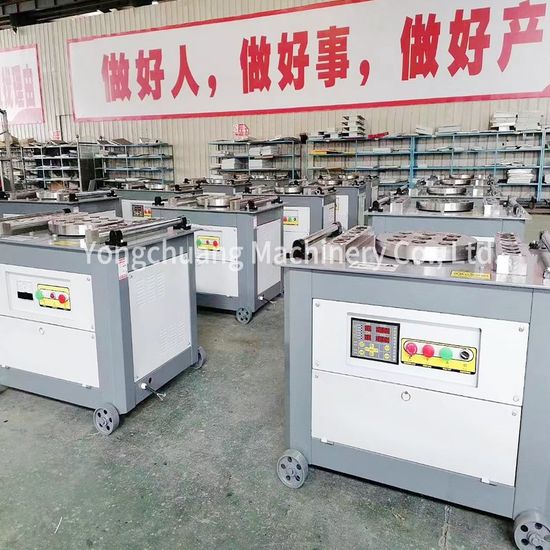


When evaluating a stirrup bender, prioritize the processing diameter range (typically 4mm to 12mm for standard construction) and the bending speed, which should ideally reach 25-30 meters per minute for high-efficiency projects. Ensure the machine features a servo-controlled system for high precision (±1mm tolerance) and a dual-line processing capability to double output. Additionally, check for tungsten steel alloy blades and rollers to ensure a longer service life and reduced maintenance costs.
For the European market, the machine must carry the CE Marking and comply with the Machinery Directive 2006/42/EC. For North American markets, look for UL or CSA certified electrical components. It is also essential that the manufacturer adheres to ISO 9001:2015 quality management systems. Ensure the equipment includes emergency stop buttons, protective shielding, and automatic alarm systems for wire jams or electrical overloads to meet international occupational safety standards.
Modern stirrup benders should be equipped with a PLC (Programmable Logic Controller) and a touchscreen HMI (Human-Machine Interface). This allows for the storage of hundreds of different stirrup shapes (squares, stirrups, polygons) in the memory, enabling quick switching between tasks without manual adjustment. Look for systems that support remote diagnostics and software updates, which significantly reduce downtime during troubleshooting.
A professional-grade stirrup bender requires a centralized lubrication system to protect moving parts from metal dust. Daily maintenance should focus on cleaning the wire straightening rollers and checking the hydraulic oil levels (if applicable). It is recommended to choose suppliers who provide a comprehensive spare parts kit (including extra blades, springs, and proximity switches) to ensure that wear-and-tear does not halt your production line.
Prioritize suppliers with the 'Audited Supplier' badge, which indicates that their business license and production facilities have been verified by third-party agencies like SGS or Bureau Veritas. Review their Audit Reports to check their actual factory size and annual export volume. It is highly recommended to use Star Direct or similar premium services on the platform to connect with top-tier manufacturers who have a proven track record of international shipping.
When negotiating, request a breakdown of the Bill of Materials (BOM) to understand if the price reflects premium components (e.g., Schneider electronics or Delta servos). For payment, utilize Secured Trading Services to ensure your funds are only released after the supplier provides proof of shipment. A standard B2B payment structure is 30% deposit and 70% balance against the Bill of Lading (B/L) or via a Letter of Credit (L/C) for large-scale industrial orders.
Stirrup benders are heavy and sensitive to moisture; insist on seaworthy packaging, including vacuum plastic wrapping and sturdy wooden crate reinforcement (IPPC standard). Since these machines are often shipped via FCL (Full Container Load), ensure the supplier provides a loading plan to prevent shifting during transit. Always purchase Marine Cargo Insurance to cover the full value of the equipment against potential damage during sea freight.
Confirm the correct HS Code (typically 846229 for bending/folding machines) with your customs broker to determine the exact import duty rates in your country. Ensure the supplier provides a complete set of documents: Commercial Invoice, Packing List, Bill of Lading, and Certificate of Origin. The Certificate of Origin is particularly important for claiming preferential tariff treatments under specific Free Trade Agreements (FTAs).