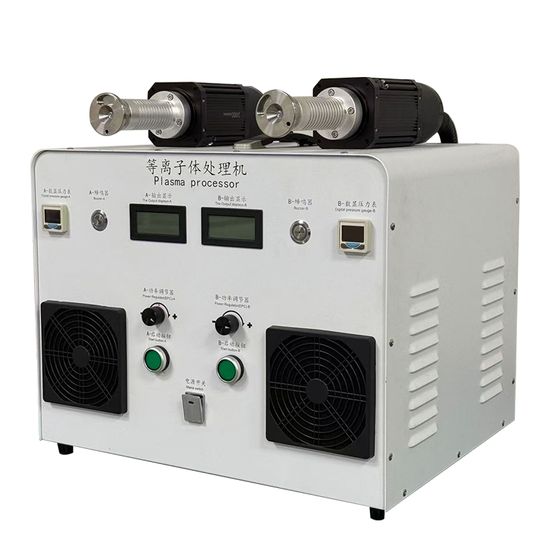
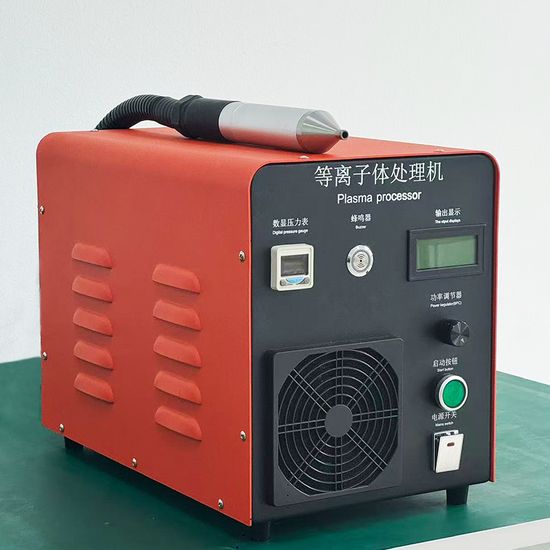
Mini Plasma Cutting Equipment Portable Style with Good Price

Compact Portable Gantry Laser Cutting Equipment with Plasma System for Metal Sheet

New Gantry Dual Drive Metal Plasma Cutting Equipment T-Rail with Helical Rack

I have found results from400+products and200+suppliers aboutCheap plasma etching equipment


When looking for cost-effective plasma etchers, you must prioritize RF Power Stability and Vacuum Ultimate Pressure. Ensure the equipment supports a frequency of 13.56 MHz (the industrial standard) and has a vacuum leak rate of less than 10^-5 Pa·m³/s. For 'cheap' models, verify if they use Air-Cooling instead of expensive water-cooling systems, and confirm the Chamber Material is high-grade Anodized Aluminum or Quartz to prevent contamination during the etching process.
Even for budget-friendly machinery, CE Certification is non-negotiable for the European market, while UL or ETL is required for the US. Specifically for plasma systems, ensure compliance with SEMI S2/S8 safety guidelines, which cover electrical safety and hazardous gas handling. Request the supplier to provide EMC (Electromagnetic Compatibility) test reports to ensure the RF generator does not interfere with other factory electronics.
Cheap plasma etchers are ideal for Surface Activation, Photoresist Stripping (Ashing), and PDMS Bonding in research labs or small-scale PCB manufacturing. They are widely used in Medical Device Cleaning to improve biocompatibility and in Textile Engineering to enhance hydrophobicity. If your goal is high-volume semiconductor production, 'cheap' units may lack the Uniformity (<±5%) required, so they are best suited for R&D and Pilot Lines.
While the initial price is lower, the Total Cost of Ownership (TCO) can be higher due to the difficulty of sourcing Legacy Spare Parts like specialized vacuum pumps or RF matchers. It is often more economically feasible to purchase a New Entry-Level Model from Made-in-China.com, as these come with Manufacturer Warranties (typically 12-24 months) and modern PLC Touchscreen Controls that are easier to maintain than older analog systems.
The biggest risks are Damage During Transit and Customs Seizure due to dual-use technology regulations. Plasma equipment contains sensitive electronics and vacuum chambers; ensure the supplier uses Vacuum-Sealed Anti-Static Packaging and Reinforced Fumigated Wooden Crates. Additionally, check if the specific model falls under Export Control Lists (like the Wassenaar Arrangement) to avoid legal complications at the border.
Focus your negotiation on Consumables and Spare Parts rather than just the machine price. Ask for a 'Starter Kit' including extra O-rings, Electrodes, and Vacuum Pump Oil. For bulk orders, aim for a 10-15% discount, but ensure the supplier does not swap out high-quality components (like Edwards or Leybold pumps) for unbranded versions to hit your target price.
Always use Secured Payment Terms such as Escrow services or Letters of Credit (L/C). Never pay 100% upfront; a standard 30% deposit and 70% balance after FAT (Factory Acceptance Test) is recommended. Request a Video Inspection of the actual unit performing a test etch on your specific substrate before the final payment is released.
For precision instruments, Air Freight is preferred to minimize the duration of vibration exposure, though it is costlier. If using Sea Freight, you must specify LCL (Less than Container Load) with 'Top Load Only' instructions or FCL (Full Container Load) to prevent crushing. Ensure the shipping terms are CIF (Cost, Insurance, and Freight) so that the equipment is fully insured against maritime risks.