Builder Custom PC Case 2u Rackmount Server Chassis

Cost-Effective Mini Itx Server Case 1u Ipc Rackmount Chassis

New Design Dual-Layer 6u Rackmount Server Chassis with 24 Hard Drive Bays

I have found results from400+products and200+suppliers aboutCimc chassis


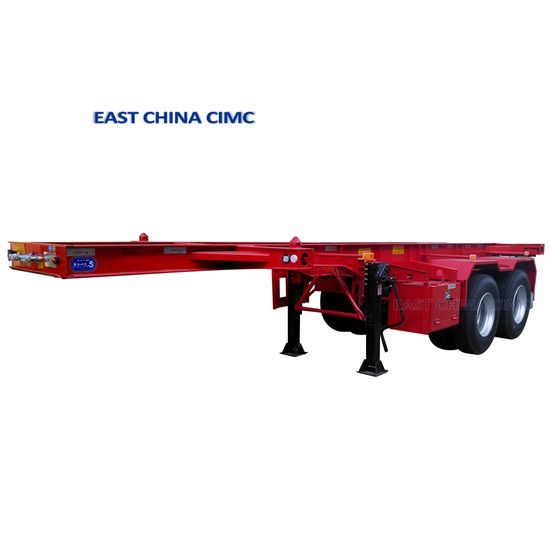
When sourcing a CIMC chassis, you must prioritize structural integrity and load-bearing capacity. Key specs include the main beam material (typically high-strength Q345B or T700 steel), axle brand and capacity (e.g., FUWA or BPW 13-16 ton axles), and suspension type (mechanical leaf spring for heavy loads or air suspension for fragile cargo). Ensure the twist locks are ISO-standard for container security and check the tare weight to balance durability with fuel efficiency.
For global trade, the chassis must adhere to specific regional regulations. For the North American market, look for DOT (Department of Transportation) and NHTSA compliance, including ABS (Anti-lock Braking System) requirements. For European markets, ensure CE certification and ADR standards for hazardous goods. Always verify the ISO 9001 quality management system certification of the specific manufacturing plant to ensure consistent welding and assembly quality.
Since chassis are exposed to harsh environments, the surface treatment is critical. Prioritize suppliers using Electrophoretic Coating (E-coat) or Hot-Dip Galvanizing, which provide superior rust resistance compared to traditional spray painting. Ask for the salt spray test hours (ideally >1000 hours) to ensure the chassis can withstand coastal or snowy road conditions without structural degradation.
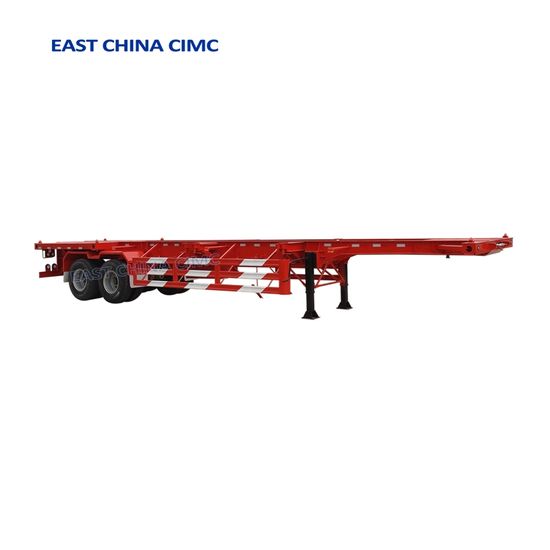
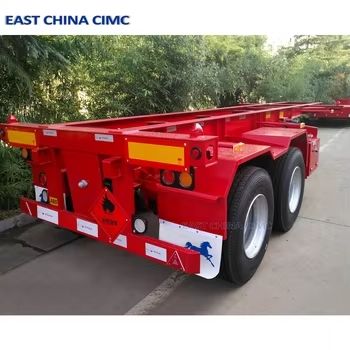
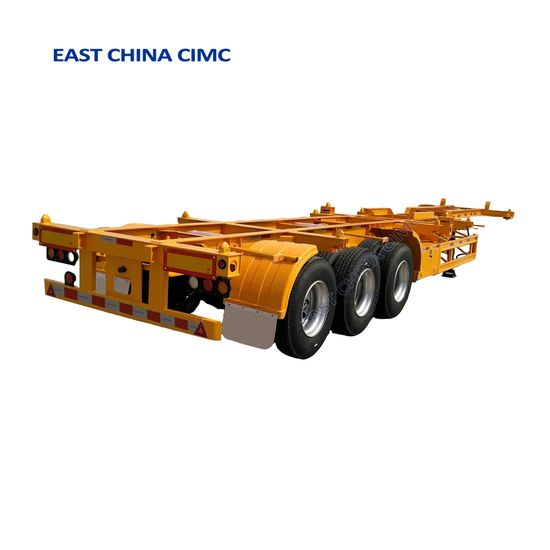
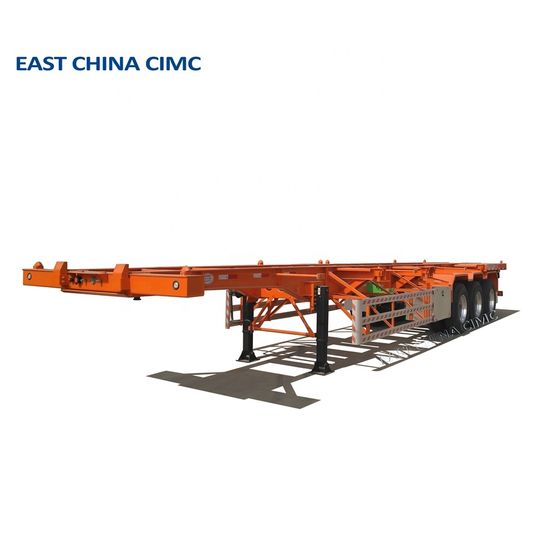
CIMC offers significant flexibility. You can customize the chassis length (20ft, 40ft, 45ft, or extendable), axle configuration (2-axle, 3-axle, or multi-axle for overweight loads), and specialized attachments like tipper kits for bulk cargo or gooseneck designs for lower center of gravity. Ensure the supplier provides CAD drawings for approval before production begins.
To optimize logistics, consider CKD (Completely Knocked Down) or SKD (Semi-Knocked Down) shipping, which allows more units to fit into a standard container, significantly lowering freight costs. Alternatively, for fully assembled units, Ro-Ro (Roll-on/Roll-off) or Bulk Cargo shipping is preferred to prevent damage during loading. Always confirm the Incoterms (typically FOB or CIF) to clarify where the risk transfers from the seller to you.
Always look for 'Audited Suppliers' on Made-in-China.com, as they have undergone third-party verification by agencies like SGS or Bureau Veritas. Request a factory inspection video or a live virtual tour to confirm the production scale. Check if the supplier has a direct authorization letter from CIMC Group if they are a trading subsidiary, ensuring you are not dealing with an unauthorized middleman.
Use Secured Payment services provided by the platform to ensure funds are only released upon proof of shipment. For large orders, implement a staged payment structure: typically 30% deposit, 70% against the Bill of Lading (B/L). Never wire full payments to personal bank accounts; always use the official corporate account listed on the audited profile.
Focus negotiations on component brands and warranty terms rather than just the base price. A lower price often means cheaper tires or axles, which increases long-term TCO (Total Cost of Ownership). Negotiate for wearing parts kits (brake linings, lights, seals) to be included in the bulk price, and seek a warranty of at least 12 months on the main structural beam.