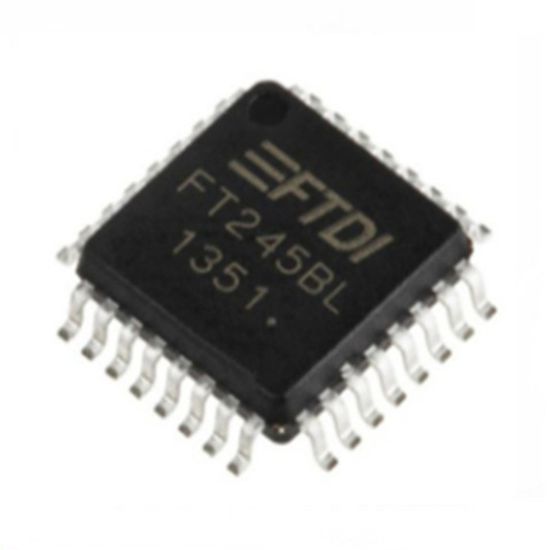
Custom ESD Component Tray for IC, Wafer, Chip and Electronic Component Storage

Black Conductive ESD Component Tray for IC, LCD, Electronics Parts Packing
Black ESD PVC Tray for IC Chips, Semiconductor Components, PCB and SMT Production Line

I have found results from400+products and200+suppliers aboutIc trays


The most vital factor is ESD (Electrostatic Discharge) protection. You must choose between Antistatic, Dissipative, or Conductive materials (typically Carbon-filled Polypropylene or PES) depending on the sensitivity of your chips. Ensure the surface resistivity is within the 10^5 to 10^11 ohms/sq range. Additionally, verify the Bakeable Temperature rating; standard trays handle up to 150°C, which is essential for moisture removal processes without tray deformation.
Compliance with JEDEC (Joint Electron Device Engineering Council) standards is non-negotiable for global compatibility. Check for standardized dimensions (315mm x 135.9mm) and precise pocket tolerances. The tray must feature stacking tabs and vacuum pickup cells that align with industry-standard SMT (Surface Mount Technology) pick-and-place machines to prevent mechanical jams or component damage.
Request a Dimensional Inspection Report to confirm pocket accuracy (usually within ±0.08mm). You should also ask for Warpage Test results, as a tray with more than 0.76mm flatness deviation can cause feeder errors. For long-term reliability, verify the Outgassing properties to ensure the plastic doesn't release chemicals that could corrode the IC leads during storage.
The biggest risk is material fraud, where recycled plastics are used instead of virgin ESD-safe resins, leading to latent ESD damage to your chips. Always use Made-in-China.com's 'Audited Supplier' reports to verify the manufacturer's specialized testing equipment. Another risk is shipping damage; because trays are rigid, brittle materials can crack. Ensure the supplier uses vacuum-sealed moisture barrier bags (MBB) and reinforced outer cartons.
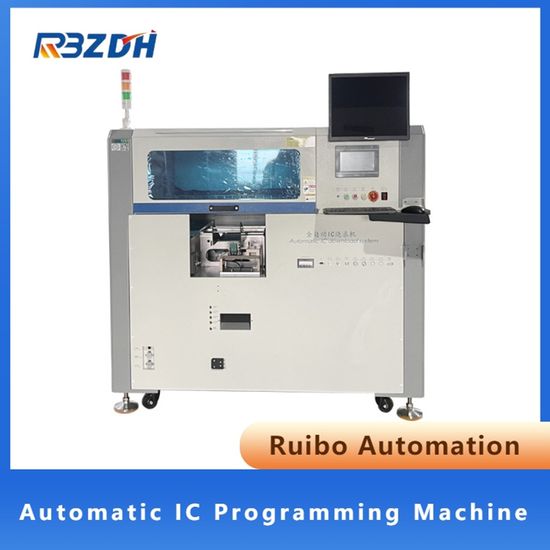
For custom chip dimensions, molding costs (NRE fees) are a major negotiation point. Aim to negotiate a rebate on mold fees once cumulative order volume reaches a certain threshold (e.g., 5,000+ units). For standard JEDEC trays, leverage volume-based pricing; prices typically drop by 20-35% when moving from 500 units to 5,000 units. Always request a pre-production sample before releasing the full payment.
Ensure the supplier provides a Certificate of Compliance (CoC) and RoHS/REACH certifications, as these are mandatory for electronics components entering the US or EU. For shipping, utilize FOB (Free On Board) terms to maintain control over the freight forwarder, ensuring they understand the fragile nature of the cargo. If shipping by air, confirm the packaging meets IATA pressure standards to prevent tray warping due to altitude changes.