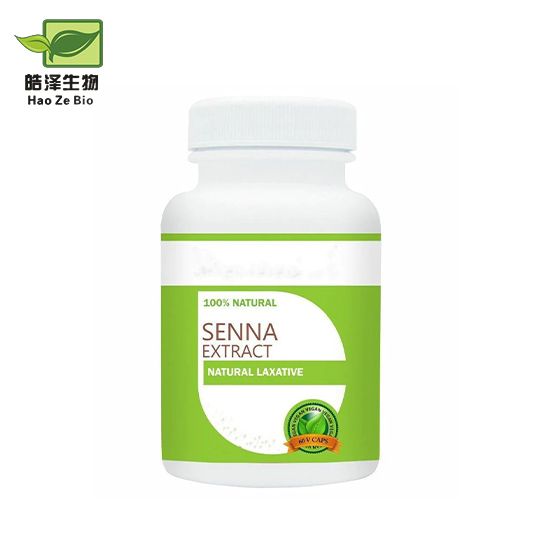
Senna Leaf Herbal Tea - Traditional Chinese Fan Xie Ye Remedy

Organic Senna Leaf Chinese Herbal Tea for Natural Weight Loss

Premium Senna Leaf Herbal Tea for Natural Slimming and Wellness

Premium Senna Leaf Herbal Tea for Natural Weight Loss

I have found results from400+products and200+suppliers aboutSenna leaf price


The price of Senna Leaf is primarily driven by its Sennoside content (A & B), which is the active ingredient responsible for its laxative effect. Buyers should look for a minimum of 2.5% to 3% Sennosides for pharmaceutical or high-end supplement grades. Additionally, the physical form (whole leaves vs. TBC/Tea Bag Cut vs. powder) and the purity level (absence of stems, pods, and foreign organic matter) significantly impact the valuation. Hand-picked whole leaves command the highest premium due to lower breakage and higher aesthetic value for retail.
For B2B procurement, Senna Leaf must adhere to Pharmacopoeia standards (USP, BP, or EP) depending on the destination market. It is critical to verify Microbiological limits (absence of Salmonella and E. coli) and Heavy Metal limits (Lead, Cadmium, Mercury). For the US market, FDA registration and GRAS (Generally Recognized as Safe) status for specific uses are required. For the EU, compliance with REACH and pesticide residue limits (EC No 396/2005) is mandatory to avoid customs rejection.
Senna is primarily cultivated in India (Tinnevelly Senna) and Egypt (Alexandrian Senna). Prices fluctuate based on the harvest cycle (typically July to October). Purchasing during peak harvest can result in 10-15% cost savings. However, buyers must ensure the supplier uses proper drying technologies (shade drying is preferred over direct sun drying to preserve color and active compounds) to prevent mold growth during storage, which can lead to total loss of investment.
A professional sourcing contract should specify: Moisture content (maximum 10-12%), Ash content (maximum 10-12%), and Acid-insoluble ash (maximum 2-3%). If purchasing for tea production, specify the mesh size for TBC (Tea Bag Cut) to ensure compatibility with packing machinery. Always request a Certificate of Analysis (COA) from a third-party lab like SGS or Eurofins to validate these parameters before final payment.
The most significant risk is adulteration or 'filler' content, where suppliers mix old, yellowed leaves or excessive stems to increase weight. Another risk is Phytosanitary non-compliance; many countries require a Phytosanitary Certificate to prove the shipment is free from pests. Failure to provide this will lead to immediate destruction or deportation of the cargo at the port of entry.
Focus on Volume-Based Pricing and Long-term Supply Agreements. For orders exceeding 5 Metric Tons, buyers can usually negotiate a 5-8% discount. Additionally, leverage Payment Terms; suggest a 20% deposit and 80% against scanned BL (Bill of Lading) or use Letter of Credit (L/C) for large first-time orders to mitigate financial risk. Mentioning sourcing via Made-in-China.com can also help in identifying verified 'Gold' suppliers with audited manufacturing capabilities.
Senna Leaf is highly susceptible to moisture and heat degradation. Ensure the supplier uses PP bags with inner liners or vacuum packaging for high-grade powder. For sea freight, specify 'Keep Dry' and 'Away from Heat' stowage instructions. It is advisable to use FCL (Full Container Load) rather than LCL to prevent cross-contamination with other aromatic or chemical goods in a shared container.
Always utilize Trade Assurance or escrow-like services provided by reputable B2B platforms. Conduct a Factory Audit or hire a local inspection agent to verify the GMP (Good Manufacturing Practice) certification of the facility. Never wire full payments to private bank accounts; ensure the beneficiary name matches the company name on the business license and the Made-in-China.com verified profile.