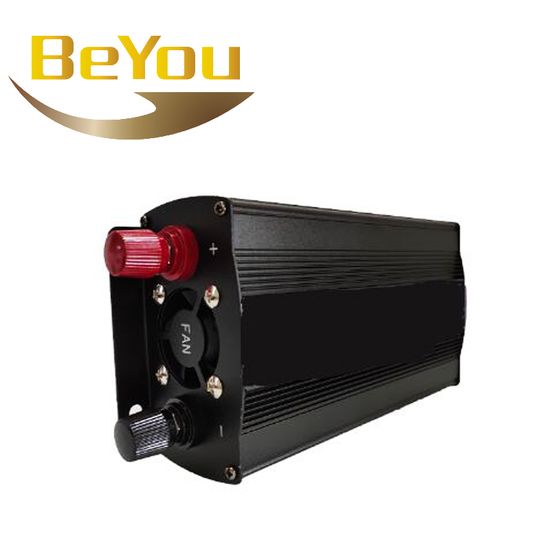
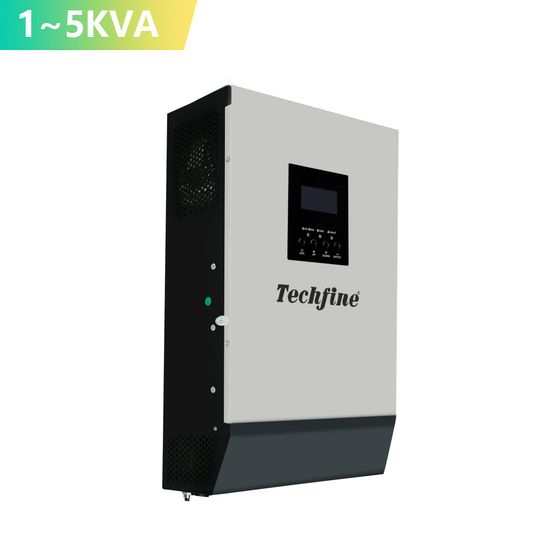
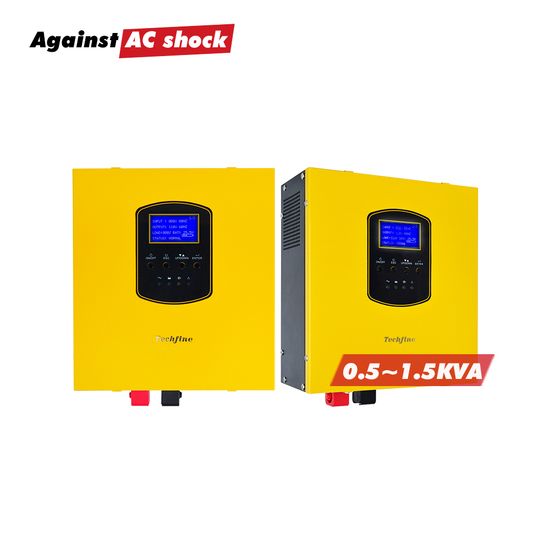
Hybrid Solar Inverter 4.2kw-6.2kw Used for Home with or Without Battery

Hybrid Solar Inverter 4.2kw Used for Home with or Without Battery

High Reliability Home Used Home Energy Storage System 6.2kw off Grid Solar Hybrid Inverter

I have found results from2000+products and800+suppliers aboutUsed solar inverters


When sourcing used solar inverters, you must prioritize Efficiency Ratings and Total Harmonic Distortion (THD). Ensure the unit maintains at least 95% of its original peak efficiency. Verify the Input Voltage Range (MPPT range) to ensure compatibility with your existing solar panels. It is critical to check the Internal Capacitor Health, as these components are the most prone to aging. Request a Thermal Imaging Report to identify any hotspots on the PCB that indicate potential failure.
Compliance is non-negotiable for grid-tied systems. You must verify that the used units still carry valid UL 1741 (for USA), IEC 62109 (International), or EN 50549 (Europe) certifications. Ensure the Anti-Islanding Protection is fully functional to prevent back-feeding the grid during outages. For B2B buyers, always request a Certificate of Conformity (CoC) and a Factory Reset Confirmation to ensure no proprietary software locks remain from the previous owner.
The primary driver for used inverters is a 30-60% reduction in CAPEX. However, you must calculate the Residual Life Expectancy. A typical string inverter lasts 10-15 years; if a unit is already 7 years old, the Levelized Cost of Energy (LCOE) might be higher than a new unit due to maintenance. Look for Refurbished Units from reputable suppliers on Made-in-China.com who offer a 1-2 year limited warranty to mitigate the risk of early failure.
Used inverters are ideal for Off-grid Agricultural Systems, Temporary Construction Power, or as Low-cost Spare Parts for discontinued solar arrays. They are also highly effective for Educational or R&D Prototypes where the budget is limited. For Utility-scale Grid-tie Projects, ensure the local utility provider allows the interconnection of used equipment, as some regions have strict 'New Equipment Only' policies.
The biggest risk is E-waste Import Restrictions. Many countries have strict laws against importing 'waste,' and poorly documented used inverters may be seized by customs. To avoid this, ensure the commercial invoice clearly labels the items as 'Refurbished Working Equipment' rather than 'Used Electronics.' Another risk is Shipping Damage; used units often lack original packaging, so insist on Double-Walled Corrugated Boxes and Anti-Static Bubble Wrap.
Focus your negotiation on Testing Transparency rather than just price. Demand a Video Proof of Load Testing for each specific serial number you purchase. Negotiate a Retention Payment Strategy where a portion of the funds (e.g., 10-20%) is released only after the goods pass a local inspection. On Made-in-China.com, prioritize Audited Suppliers who have a history of exporting power electronics to your specific region.
Always use Secure Payment Terms such as a Letter of Credit (L/C) or Escrow services provided by the platform. Never pay via untraceable wire transfers to personal accounts. Ensure the Sales Contract includes a detailed Defect Definition, specifying what constitutes a 'non-working' unit and the process for Refunds or Replacements for units that arrive Dead on Arrival (DOA).
For bulk orders, Sea Freight (FCL/LCL) is the most cost-effective, but ensure the supplier uses Palletization with Moisture-Proof Shrink Wrap to prevent salt-air corrosion during transit. For urgent samples, Air Freight is safer for delicate electronics but significantly more expensive. Always purchase Marine Cargo Insurance that covers 'All Risks,' as used items are often excluded from standard carrier liability.