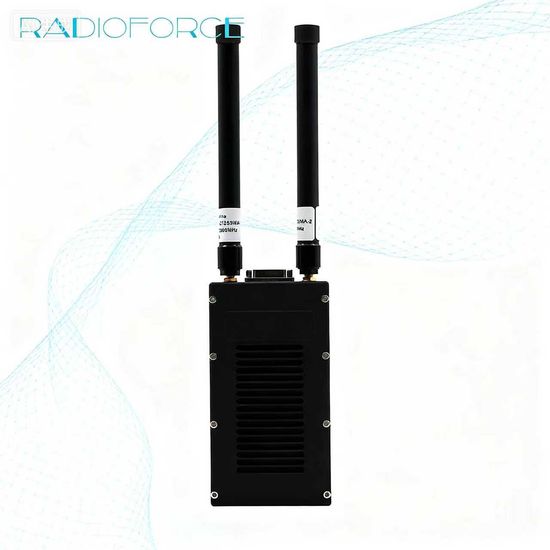
Cofdm Wireless HD Portable Handheld Receiver

Wireless Audio Video Sender Video Wireless Sender and Receiver

Digital Wireless Video Cofdm Receiver with Diversity Receiving Technology

Cofdm Wireless HD Portable Video Receiver

I have found results from400+products and200+suppliers aboutWireless camera receiver


Buyers should prioritize frequency stability and transmission range. Look for devices utilizing 5GHz or 6GHz bands to avoid interference from common 2.4GHz Wi-Fi signals. Ensure the receiver supports DFS (Dynamic Frequency Selection) to automatically switch to clear channels. For high-end production, a latency of <0.1s (sub-100ms) is critical to ensure real-time monitoring and synchronization. Additionally, verify support for SDI and HDMI dual-output to ensure compatibility with both professional monitors and consumer-grade displays.
For cross-border procurement, compliance is non-negotiable. Ensure the product carries FCC certification for the U.S. market or CE-RED (Radio Equipment Directive) for the EU. These certifications guarantee that the wireless frequencies used do not interfere with emergency or military communications. Furthermore, check for RoHS compliance to ensure the electronic components are free from hazardous substances like lead and cadmium, which is a mandatory requirement for most Tier-1 markets.
A professional receiver must offer versatile power solutions. Look for units with integrated battery plates (e.g., Sony NP-F or V-mount) and DC input (7-16V) for external power bricks or D-Tap cables. For mounting, the receiver should feature multiple 1/4"-20 threaded holes and a cold shoe adapter to allow secure attachment to cages, gimbals, or director's monitors. Heat dissipation design, such as active cooling fans or high-grade aluminum alloy shells, is vital for long-duration outdoor shoots.
Request information on the modulation technology used; HEVC (H.265) or H.264 compression combined with MIMO (Multiple Input Multiple Output) antenna technology significantly improves signal penetration and stability. Ask the supplier for Line-of-Sight (LOS) vs. Non-Line-of-Sight (NLOS) performance data. Top-tier receivers should maintain a stable link up to 300-500 meters in open areas and provide a robust re-connection mechanism if the signal is momentarily dropped.
The primary risk is Customs Seizure due to non-compliant radio frequencies. Different countries have strict regulations on which wireless bands are open for public use. Always confirm with the supplier that the firmware is localized for your region's frequency laws. Another risk is Signal Incompatibility; ensure the receiver's wireless protocol matches your existing transmitters, as proprietary technologies (like Amimon or Teradek) often do not communicate with generic brands.
When sourcing via Made-in-China.com, focus on Tiered Pricing and Warranty Terms. For orders exceeding 50 units, aim for a 15-25% discount off the sample price. Negotiate for a 12-24 month replacement warranty rather than a repair warranty, as shipping units back to China for repair is often cost-prohibitive. Request OEM/ODM services such as custom startup logos or branded housing, which can usually be included for free at higher volumes (MOQ 100+).
Always use Secure Payment services provided by the platform to ensure funds are only released upon proof of shipment. For shipping, wireless receivers contain sensitive PCBA and antennas; insist on Anti-static packaging and double-walled corrugated boxes. For high-value electronics, Air Freight (DHL/FedEx/UPS) is recommended over sea freight to minimize exposure to humidity and mechanical vibration, even if the cost is higher. Ensure the HS Code (typically 8525.60) is correctly declared to avoid tariff penalties.