
Satisfies 1 requirement
250bar Compressed H2 Hydrogen Storage and Transportation Trailer CNG Tube Skid Containers
US$70,000.00-100,000.00
1 Piece(MOQ)

I have found results from200000+products and80000+suppliers aboutTrailer container


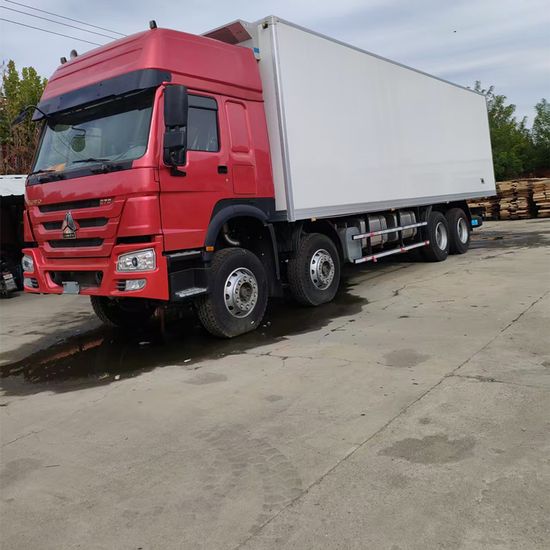

Selecting a trailer container requires a deep dive into load capacity, material durability, and structural integrity. For heavy-duty international shipping, prioritize Corten Steel (SPA-H) construction, which offers superior atmospheric corrosion resistance. Ensure the floor is made of 28mm marine-grade plywood or checkered steel plates to handle forklift traffic. For specialized cargo, choose between Dry Vans for general goods, Reefer Containers for temperature-sensitive items, or Flat Racks for oversized machinery. Always verify that the container meets ISO 668 standards for dimensions and ISO 1496 for testing specifications.
To ensure seamless cross-border transit, the container must have a valid CSC (Container Safety Convention) plate, which acts as its 'passport' for international shipping. For food-grade or chemical transport, check for FDA or IMDG compliance. If the container is intended for intermodal transport (rail/sea/road), it must adhere to UIC (International Union of Railways) and TIR (Transports Internationaux Routiers) regulations to simplify customs procedures. Always request third-party inspection reports from agencies like BV, SGS, or ABS to validate structural safety.
The longevity of a trailer container depends heavily on its surface treatment. Look for a zinc-rich epoxy primer followed by a high-build acrylic or polyurethane topcoat with a thickness of at least 100-120 microns. Inspect the welding seams for CO2 shielded welding consistency; there should be no visible porosity, cracks, or slag. High-quality containers utilize automatic welding robots for the side panels and roof to ensure uniform strength and water-tightness, which is critical for protecting cargo from moisture ingress.
Focus on the locking mechanisms and door seals. High-security galvanized locking bars (4 bars for standard containers) and EPDM double-lip gaskets are essential to prevent leaks and theft. For trailer-specific use, ensure the gooseneck tunnel dimensions are compatible with your chassis. If purchasing for storage or modular housing, look for pre-installed vents to manage internal condensation and forklift pockets for easy maneuvering in tight yard spaces.
The most significant risks include structural damage during transit, hidden rust under fresh paint, and non-compliance with local road weight limits. To mitigate these, use Made-in-China.com's Secured Trading services and hire a pre-shipment inspector to verify the container's condition. Be wary of 'Refurbished' containers sold as 'New'; always check the manufacturing date on the CSC plate and inspect the interior for 'light leaks' which indicate holes or thinning metal.
Container pricing is highly sensitive to steel market fluctuations. Negotiate based on volume tiers, as ordering a 'full stack' (usually 4-7 units depending on type) can significantly reduce per-unit shipping costs. For Incoterms, FOB (Free On Board) is generally preferred for experienced buyers to control freight costs, but CIF (Cost, Insurance, and Freight) may be safer for novices. Always clarify if the price includes customs clearance and terminal handling charges (THC) at the destination port.
The most economical method is 'One-Way Leasing' or 'SOC' (Shipper Owned Container) shipping. Instead of shipping an empty box, allow a carrier to load it with cargo for a single trip to your destination; this often results in zero or deeply discounted freight costs. Alternatively, for multiple units, use flat-pack shipping (if purchasing collapsible units) or stacking methods to maximize vessel space and minimize port fees.
Never transfer full payments upfront. Use a 30/70 payment structure (30% deposit, 70% upon presentation of the Bill of Lading) or an Irrevocable Letter of Credit (L/C) for large orders. Conduct due diligence on Made-in-China.com by checking the supplier's Audit Reports and 'Diamond Member' status, which indicates a verified business history and manufacturing capability.